Coupang Faces Backlash After Offering $1.18 Billion Voucher Compensation for Data Breach
Daniel Okoye
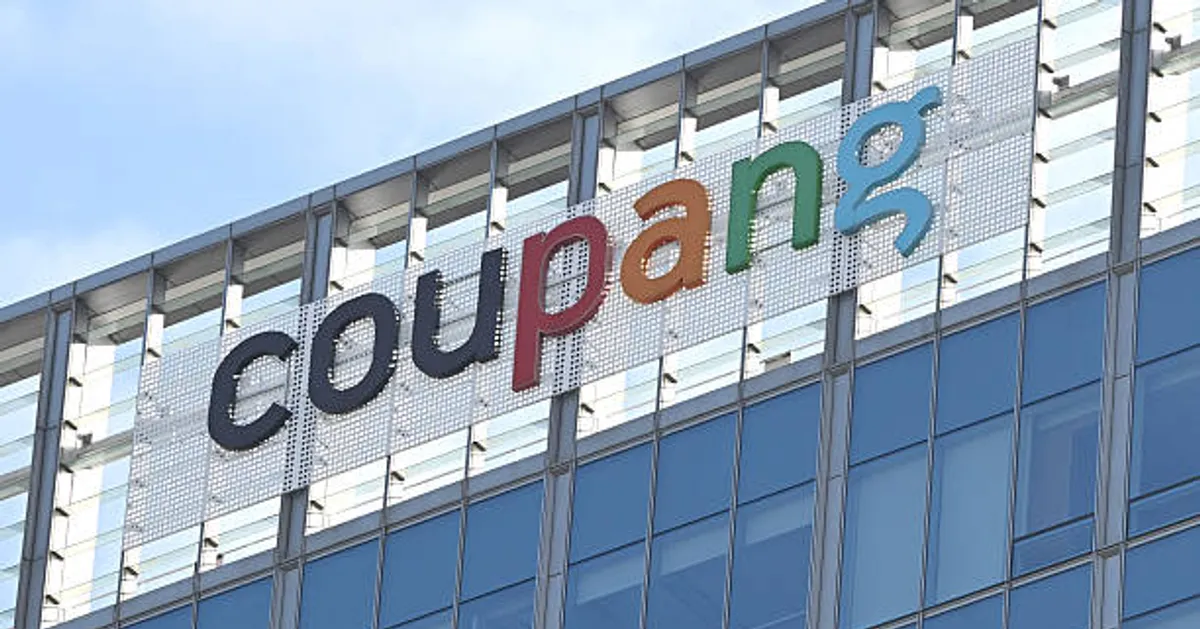
SEOUL | Dec 29 (GeokHub) South Korean e-commerce giant Coupang said on Monday it will provide compensation worth 1.69 trillion won ($1.18 billion) to users affected by a major data breach, offering vouchers to holders of 33.7 million customer accounts.
Under the plan, each affected user will receive 50,000 won in Coupang vouchers, which can only be used on the company’s own platforms.
The announcement follows growing public outrage over a massive data leak last month, which exposed user information and prompted scrutiny from lawmakers and consumer groups.
FOUNDER APOLOGISES, SKIPS PARLIAMENT HEARINGS
Coupang founder Kim Bom issued his first public apology on Sunday, pledging swift compensation and tighter data protection measures. However, he has declined to attend parliamentary hearings scheduled for Tuesday and Wednesday, citing prior commitments.
South Korea’s National Assembly is set to hold two days of hearings on the breach starting Tuesday.
CRITICISM OVER VOUCHER-ONLY PAYOUTS
The compensation plan has drawn sharp criticism for tying restitution exclusively to Coupang services.
Choi Min-hee, a lawmaker from the ruling Democratic Party and chair of the National Assembly’s Science, ICT, Broadcasting and Communications Committee, said the company was effectively “bundling coupons for services no one uses.”
In a Facebook post, Choi accused Coupang of attempting to turn a consumer data crisis into a business opportunity, rather than offering meaningful restitution.
Consumer advocacy group Korea National Council of Consumer Organizations echoed those concerns, calling the plan “a mockery of consumers” and accusing Coupang of downplaying the seriousness of the breach by framing compensation as a marketing tool.
When asked about the criticism, Coupang said it had no further comment.
REGULATORY PRESSURE BUILDS
The controversy adds to growing scrutiny of how major technology firms handle user data in South Korea, where lawmakers are increasingly pushing for stronger accountability and penalties following large-scale breaches.