Driverless Future Accelerates as Robotaxi Deployments Expand Worldwide
Daniel Okoye
LONDON / SAN FRANCISCO / BEIJING, Dec 22, 2025 (GeokHub) — The global race to deploy driverless taxis is accelerating, as ride-hailing giants, automakers and technology firms roll out robotaxi trials and commercial services across Europe, Asia, the Middle East and the United States.
Companies including [Uber](Robotaxi Rollouts Gain Momentum as Driverless Services Expand Worldwide), [Lyft](Robotaxi Rollouts Gain Momentum as Driverless Services Expand Worldwide), Baidu, Waymo, Tesla, WeRide, Pony.ai and Amazon’s Zoox are expanding autonomous driving operations, signalling growing confidence that self-driving vehicles are nearing commercial viability.
UK and Europe Emerge as Key Testing Grounds
Uber and Lyft said this month they will partner with Chinese technology firm Baidu to test its Apollo Go RT6 autonomous vehicles in the United Kingdom in 2026. The move places the UK among the most closely watched markets for large-scale robotaxi trials in Europe.
Alphabet’s self-driving unit Waymo has also announced plans to launch an autonomous ride-hailing service in London in 2026, while Switzerland has approved multiple robotaxi initiatives, including Baidu-backed pilot programmes and permits for WeRide to operate driverless vehicles on public roads in Zurich.
Analysts say European cities are increasingly attractive testing grounds due to dense urban layouts, strong regulatory oversight and public transport integration.
Middle East and Asia Push Ahead
The Middle East has emerged as another major hub. In Abu Dhabi, WeRide and Uber launched fully driverless robotaxi operations in November, allowing public bookings through Uber’s platform. Baidu and UAE-based Autogo are also expanding autonomous vehicle trials in the emirate, with commercial operations targeted by 2026.
In Asia, Singapore continues to position itself as a leader in autonomous mobility. WeRide, Grab and other firms are expanding testing zones and increasing robotaxi trial volumes, while China has moved ahead with commercial driverless permits in cities including Beijing, Shanghai, Guangzhou, Shenzhen, Chongqing and Wuhan.
Chinese autonomous driving companies Baidu and Pony.ai have already begun offering paid robotaxi services in several high-demand routes, including airport and rail connections.
United States Sees Growing Public Access
In the United States, Waymo has expanded its fully driverless services across Phoenix, San Francisco and Los Angeles, operating around the clock in major metropolitan areas. Amazon-owned Zoox has begun offering free rides to selected users in San Francisco and Las Vegas as it prepares for broader commercial launches.
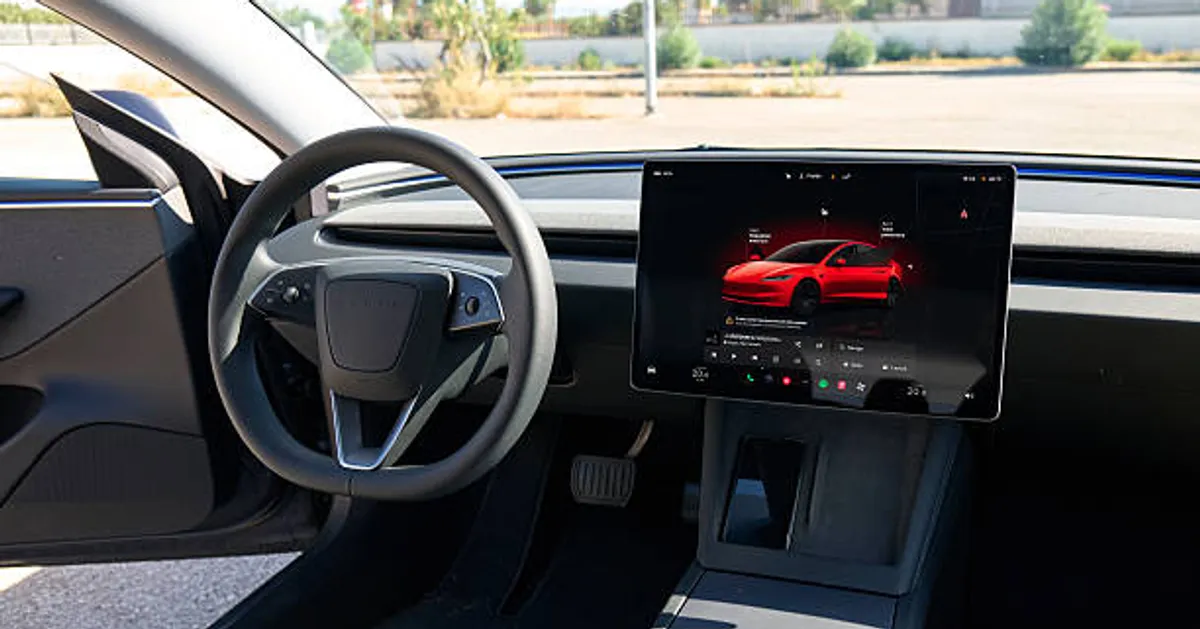
Tesla has also entered the space, launching a limited paid robotaxi service in Austin, Texas, using Model Y vehicles under close monitoring as it tests more advanced autonomous capabilities.
Why Robotaxis Matter
Proponents say robotaxis could significantly improve road safety, reduce emissions and lower costs by minimizing human error and optimizing routes through real-time data. However, profitability remains uncertain, as companies grapple with high vehicle costs, regulatory hurdles and public trust.
Industry analysts increasingly believe hybrid models, combining robotaxis with human-driven vehicles, may be the most practical path forward in the near term.