EU Agrees €90 Billion Loan Package for Ukraine, Shelves Use of Frozen Russian Assets
Daniel Okoye
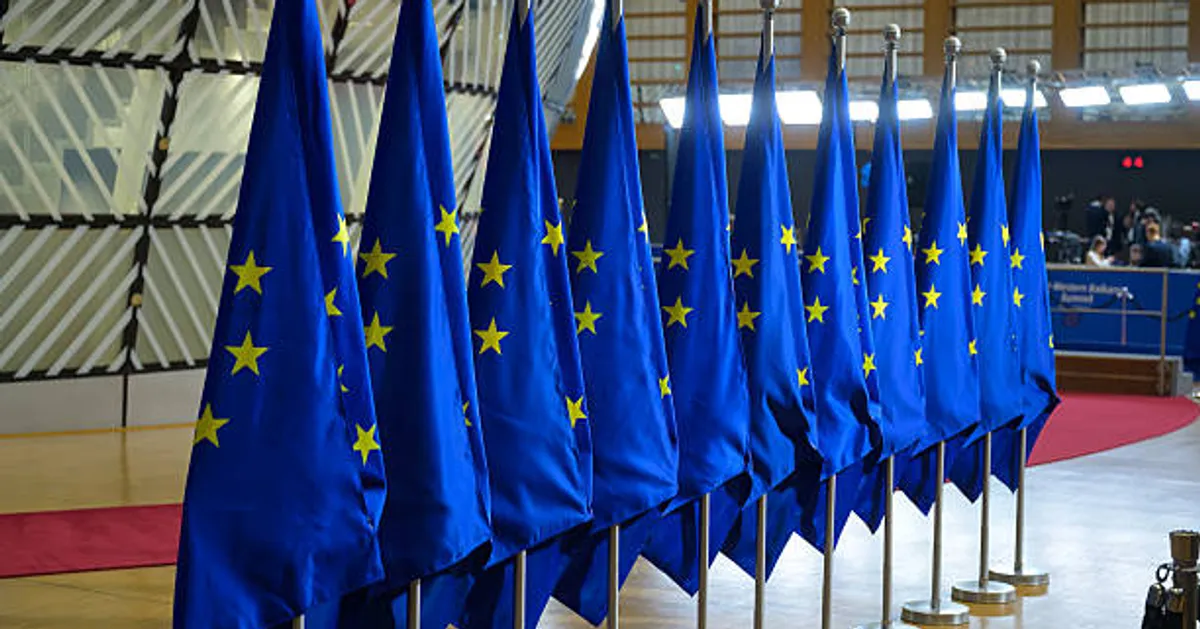
BRUSSELS — Dec 19 (GeokHub) European Union leaders have agreed to borrow funds on financial markets to provide €90 billion ($105 billion) in loans to Ukraine over the next two years, opting against a more controversial plan to finance Kyiv using frozen Russian sovereign assets.
The decision will fund Ukraine’s defence and state needs in 2026 and 2027, covering roughly two-thirds of its projected financial requirements during that period.
How the Loan Will Work
The EU will issue joint debt backed by the bloc’s budget capacity and lend the proceeds to Ukraine on interest-free terms. The borrowing will rely on unused budget headroom — the gap between what EU countries could be asked to contribute and current spending obligations.
While initial plans envisioned external partners covering the remaining funding gap, EU leaders ultimately agreed to shoulder the bulk of the burden themselves.
The agreement required unanimous approval and had faced resistance from several member states. The deadlock was resolved after assurances that the arrangement would not increase financial obligations for certain countries.
Why Frozen Russian Assets Were Not Used
EU officials had explored a plan to mobilise up to €165 billion from Russian sovereign assets frozen within the bloc, without formally confiscating them — a step seen as incompatible with international law.
Under that proposal, the funds would have been invested in EU-issued bonds, generating financing for Ukraine without permanently seizing the assets.
However, several countries raised concerns about legal exposure, financial risk, and potential retaliation, particularly those hosting large volumes of the frozen assets. These objections ultimately stalled the plan.
EU leaders nevertheless authorised further work on the concept, often referred to as a “reparations loan,” leaving it open as a future option.
Repayment and Market Impact
EU officials reiterated that Russian assets will remain frozen until Moscow pays reparations for war-related damage. In theory, such payments could later be used to repay the loan to the EU, though this scenario is widely viewed as unlikely in the near term.
Financial markets reacted calmly to the decision. Government bond yields edged slightly higher, while the euro remained broadly stable.
Some policymakers argued that borrowing €90 billion was a manageable cost compared with the risks of unsettling financial markets or setting a precedent that could deter investors from holding European assets.