Nvidia CEO Says Chinese Approval for H200 Chips Will Be Seen Through Orders, Not Announcements
Daniel Okoye
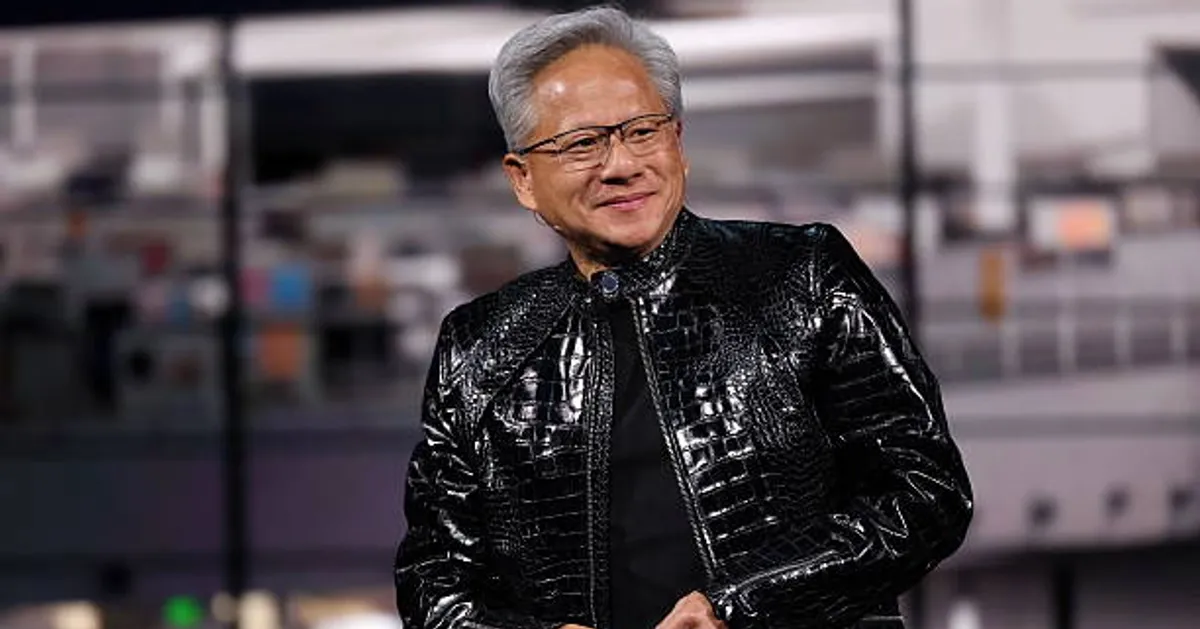
Jan 6 — GeokHub | Las Vegas Nvidia Chief Executive Jensen Huang said Chinese approval for the company’s H200 artificial intelligence chips is unlikely to come through official government statements, but will instead become clear through purchase orders from Chinese firms.
Speaking at the Consumer Electronics Show (CES) in Las Vegas, Huang said strong demand already exists among Chinese customers, adding that any regulatory clearance would be reflected quietly in commercial activity rather than public declarations.
“We’re not expecting any press releases or formal announcements,” Huang said. “If purchase orders come in, that tells you customers are allowed to place them.”
U.S. Licensing Process Still Unresolved
While demand remains high, Nvidia is still awaiting final clearance from U.S. authorities. Chief Financial Officer Colette Kress said the U.S. government is actively reviewing license applications that would allow shipments of the H200 chips to China, though approval timelines remain uncertain.
“We’re waiting to see how this develops,” Kress said, noting that the review process is moving quickly but has not yet concluded.
Last year, U.S. President Donald Trump reversed earlier restrictions on shipping advanced AI chips to China, permitting Nvidia to sell the H200 — a model that predates the company’s latest flagship Blackwell processors.
Supply Chain Ramping Up
Huang said Nvidia has already accelerated production in anticipation of Chinese demand.
“The customer demand is high — very high,” he said, adding that the company has activated its supply chain and that H200 chips are moving through production lines.
Nvidia also unveiled six new processors at CES that form part of its upcoming Vera Rubin generation of AI computing systems. While declining to discuss potential production bottlenecks, Kress said the company is confident in the resilience of its supply chain.
Massive Growth Expectations
Nvidia is targeting up to $500 billion in combined sales from its current Blackwell chips and the next-generation Vera Rubin platform by the end of the year. Executives said early discussions are already underway with customers planning large-scale data center expansions in 2027.
Huang said Nvidia expects strong momentum across all product lines and pointed to deepening collaboration with Taiwan Semiconductor Manufacturing Company, which produces most of Nvidia’s chips.
“I’m expecting a very big year for our business,” Huang said.
Global Expansion and Deal Appetite
Huang also confirmed plans to visit Israel, where Nvidia employs about 5,000 workers and is considering doubling its workforce. While he declined to comment on reports of potential acquisitions, Huang said Nvidia remains open to investments, partnerships, and takeovers in the semiconductor space.