Tesla to Double Austin Robotaxi Fleet in December, Says Musk
Daniel Okoye
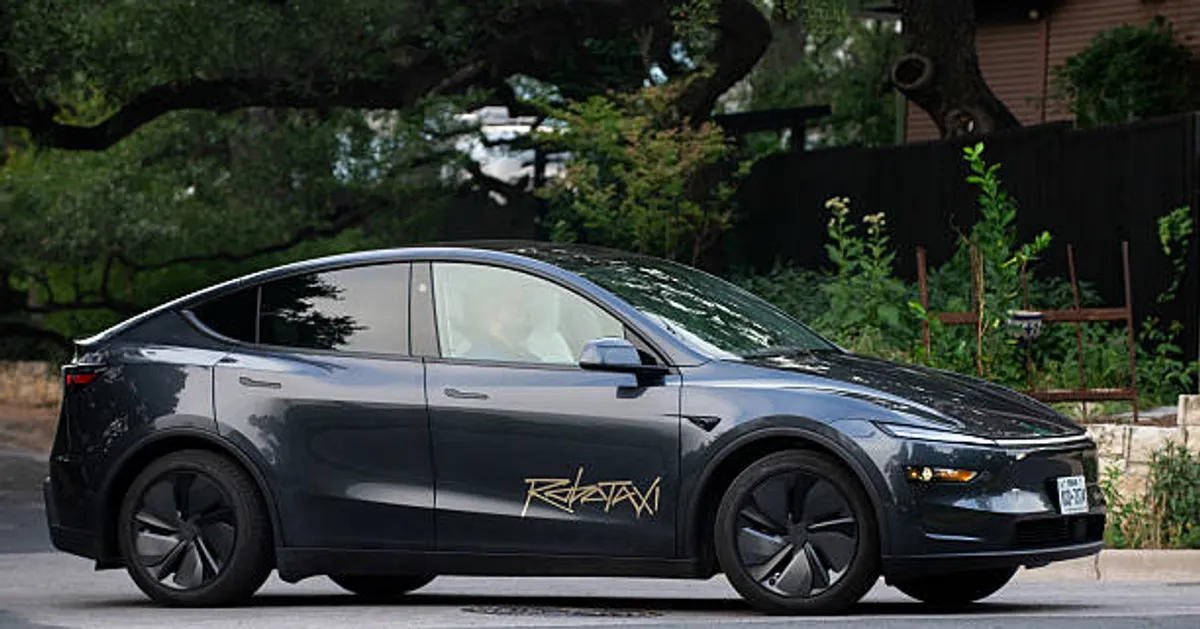
AUSTIN, Nov. 26, 2025 — Tesla is set to double its robotaxi fleet in Austin, Texas next month, CEO Elon Musk announced, marking a significant step in the company’s rollout of autonomous ride-hailing services. The expansion comes months after Tesla launched the initial robotaxi fleet in June, offering select customers rides in self-driving vehicles monitored by human safety drivers.
Musk indicated that the fleet growth is part of a broader strategy to scale autonomous transportation in the United States. With the doubled fleet, Tesla expects increased ride availability and shorter wait times, aiming to compete directly with traditional ride-hailing services and emerging self-driving rivals. The CEO also suggested that before the end of 2025, portions of the Austin fleet could operate without safety drivers on board, a milestone that would put Tesla at the forefront of commercial autonomous mobility.
The expansion reflects Tesla’s confidence in its Full Self-Driving (FSD) technology, which has faced scrutiny over safety and regulatory approvals. Experts note that scaling robotaxis will require robust software reliability, regulatory compliance, and operational oversight to ensure passenger safety while maintaining efficiency.
Beyond Austin, Tesla plans to extend its robotaxi service to other U.S. markets, leveraging its growing fleet of autonomous vehicles and the increasing demand for flexible, technology-driven transportation solutions. Analysts suggest that if successful, Tesla’s robotaxis could redefine urban mobility, reduce traffic congestion, and pave the way for a new era of AI-driven transportation.
Musk’s announcement also hints at Tesla’s broader ambition to integrate AI-driven vehicles into daily life, positioning the company not just as an automaker, but as a leader in autonomous transportation and mobility services. This expansion may also impact the ride-hailing industry by setting a precedent for AI adoption, potentially triggering competitive responses from traditional services and technology startups alike.
The Austin robotaxi program remains a closely watched experiment in real-world autonomous driving, blending innovation with regulatory oversight. The coming months will be critical in determining whether Tesla can safely scale its fleet while maintaining public trust and meeting operational targets.