Trump’s AI Executive Order Faces Political and Legal Challenges

GeokHub
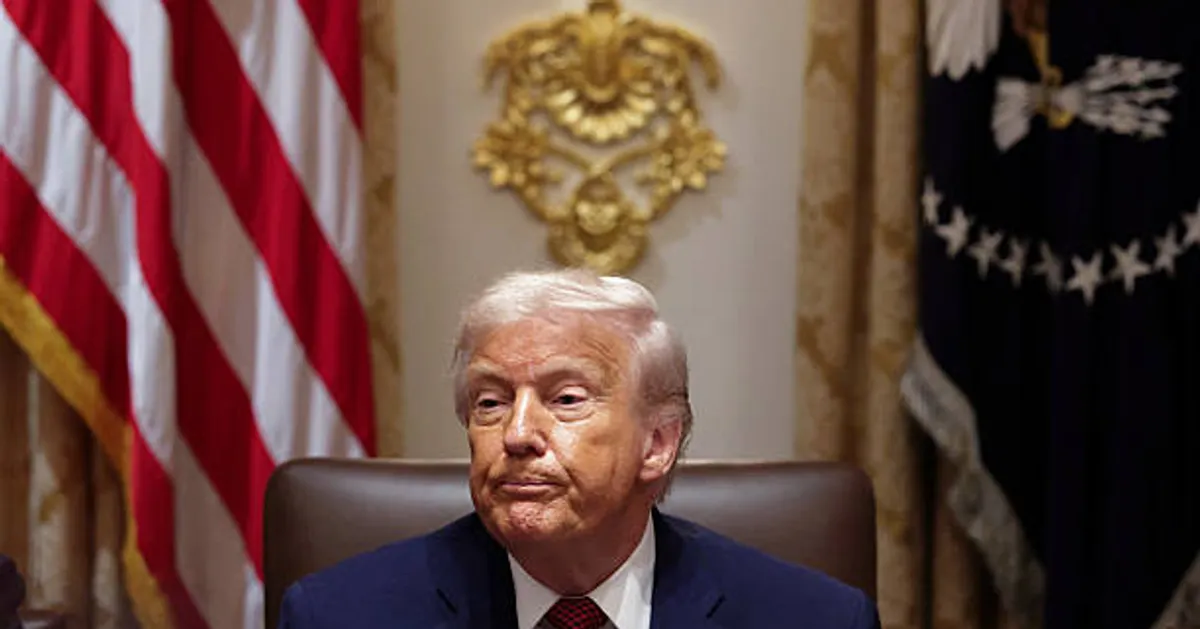
Washington, Dec 12 (GeokHub) U.S. President Donald Trump’s executive order aimed at limiting state-level artificial intelligence (AI) regulations is facing mounting political resistance and potential legal challenges from both Democrats and Republicans, complicating the administration’s plan to centralize AI governance at the federal level.
The order directs federal agencies to challenge and potentially block state AI laws that the White House considers burdensome, instructing the Commerce Department to review such legislation and, in some cases, tie compliance to eligibility for federal broadband funding. This enforcement mechanism has drawn scrutiny because it links AI policy with funds critical for rural internet deployment — an issue that could alienate key Republican constituencies.
Legal experts say the administration may lack clear constitutional authority to override state controls, particularly under longstanding judicial interpretations of the Commerce Clause and federal-state regulatory boundaries. Past attempts to use similar legal theories to preempt state tech legislation have seen limited success in court, prompting doubts about how far the AI order will hold up under judicial review.
Governors in several states, including Republican-led jurisdictions, have expressed their intent to continue pursuing their own AI laws, arguing that state innovation and safety protections should not be displaced by federal fiat. Critics argue the order oversteps executive authority and diminishes democratic policymaking by ignoring the role of legislatures.
Check this top Stories:
Huawei’s New Smartphone Powered by More Advanced China-Made Chip
Musk’s Mars Ambitions Add Risk to Red-Hot SpaceX IPO Plans
Supporters of the order, including major tech companies, say a national AI framework could prevent a patchwork of conflicting regulations that impede innovation and weaken U.S. competitiveness in the global AI race. However, the political divide over federal versus state authority suggests the executive action is likely to spark prolonged court battles and legislative debate.