UK Government Signals Copyright Policy Reset as AI and Creators Clash
Daniel Okoye
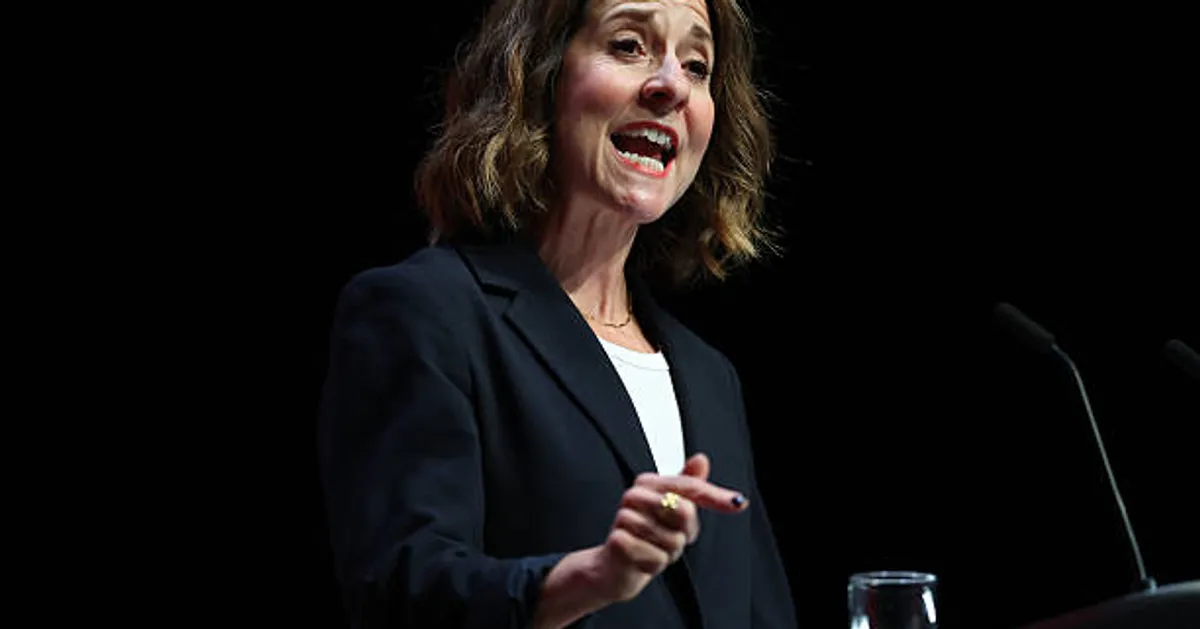
London | Jan 13, 2026 — GeokHub The British government has signaled a major rethink of its approach to copyright reform as it seeks to balance the rapid growth of artificial intelligence with protections for the creative industries.
Speaking before a parliamentary committee on Tuesday, UK technology minister Liz Kendall said the government was pursuing a “reset” on plans to update copyright laws to accommodate AI development. She stressed that future reforms must both safeguard creators’ rights and unlock the economic potential of artificial intelligence.
Creative industries around the world are facing growing legal and ethical challenges as AI systems increasingly generate original content after being trained on books, music, films, and other creative works—often without direct compensation to the original creators.
The UK, which Prime Minister Keir Starmer has pledged to position as an AI global leader, had previously proposed easing copyright restrictions to allow AI developers to train models on any material they could legally access. Under that proposal, creators would have been required to opt out if they did not want their work used.
Government ministers have now acknowledged that approach was flawed.
Kendall told lawmakers that the government’s upcoming copyright review, expected to be published in March, would mark a decisive turning point. She said consultations made it clear that creators’ two core concerns—fair reward and control over their work—must be central to any new framework.
“The consultation showed just how fundamental those two issues are for the creative sector,” Kendall said, adding that they would shape the government’s next steps.
Culture minister Lisa Nandy, who appeared alongside Kendall, reinforced that message, noting there was no single solution proposed by stakeholders. However, she said the previously favored opt-out model was widely rejected across the creative industries.
“One of the lessons for this government is that it was a mistake to begin with a preferred model,” Nandy said. “We need a more nuanced approach and closer collaboration with different parts of the creative sector.”
She warned that the current system already poses serious—and in some cases existential—challenges for creatives, even before any new copyright changes are introduced.