
Building and maintaining strength and muscle mass in your 40s, 50s, and 60s is not only possible but also critical for healthy aging. As we age, sarcopenia (age-related muscle loss) reduces muscle mass by 1–2% per year after 40, and strength declines can impact mobility and independence. However, targeted strength training, proper nutrition, and lifestyle changes can reverse these losses and enhance vitality. Below is a science-backed guide to restoring strength and muscle, tailored for these decades, with practical tips to get started safely.
Why Muscle and Strength Decline with Age
- Biological Changes: After 40, lower testosterone and growth hormone levels reduce muscle protein synthesis. A 2023 Journal of Gerontology study notes a 10–15% muscle mass loss per decade without intervention.
- Lifestyle Factors: Sedentary habits, poor diet, and reduced recovery capacity accelerate muscle loss. Chronic conditions like diabetes or arthritis can further limit activity.
- Impact: Weaker muscles increase fall risk (1 in 4 adults over 65 fall annually), reduce metabolism, and impair daily tasks like lifting or climbing stairs.
Key Strategies to Restore Strength and Muscle
1. Strength Training (Resistance Exercise)

- What It Does: Stimulates muscle growth and strengthens bones. A 2022 Sports Medicine study found that adults over 50 gained 3–5% muscle mass and 10–20% strength after 12 weeks of resistance training.
- How to Start:
- 40s: Focus on compound lifts (squats, deadlifts, bench presses) 3 times weekly, using moderate weights (60–70% of max) for 8–12 reps, 2–3 sets.
- 50s: Use lighter weights (5–15 lbs) or resistance bands for 10–15 reps, emphasizing form to protect joints. Include bodyweight exercises like push-ups.
- 60s: Prioritize low-impact moves (seated rows, leg presses) 2 times weekly, 12–15 reps, with longer rest (90 seconds) to aid recovery.
- Tips: Warm up for 5–10 minutes (dynamic stretches). Work with a certified trainer to learn proper form, especially if new to lifting. Progress weight by 5% every 2–3 weeks.
2. Prioritize Protein Intake

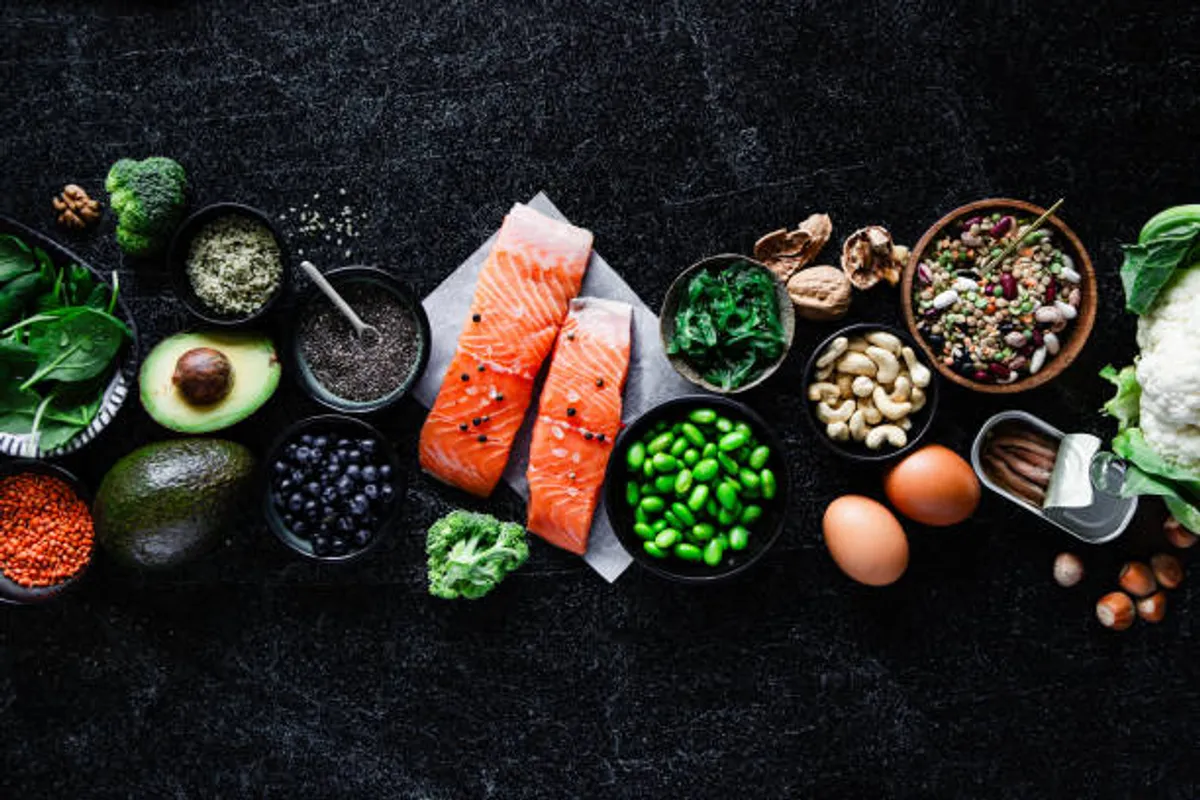
- What It Does: Protein fuels muscle repair and growth. A 2021 American Journal of Clinical Nutrition study recommends 1.2–2.0g of protein per kg of body weight daily for adults over 40 to combat sarcopenia.
- How to Apply:
- 40s: Aim for 20–30g protein per meal (e.g., chicken breast, Greek yogurt). Include plant-based sources like lentils or tofu.
- 50s: Spread protein intake across 3–4 meals to maximize absorption (e.g., eggs, salmon, beans). Add a post-workout protein shake (20g whey).
- 60s: Focus on easily digestible proteins (fish, cottage cheese) and supplement with collagen peptides if joint pain is an issue.
- Tips: Pair protein with leucine-rich foods (eggs, soy) to boost muscle synthesis. Consult a dietitian if you have kidney issues.
3. Incorporate Aerobic Exercise

- What It Does: Improves cardiovascular health and endurance, supporting strength training. A 2022 Journal of Aging and Physical Activity study showed 150 minutes of weekly cardio increased muscle endurance by 15% in older adults.
- How to Apply:
- 40s: Try brisk walking, cycling, or swimming for 30 minutes, 5 days a week.
- 50s: Opt for low-impact options like elliptical training or aqua aerobics, 3–4 times weekly.
- 60s: Walk or use a stationary bike for 20–30 minutes, 3 times weekly, to preserve stamina.
- Tips: Combine with strength training (e.g., circuit workouts) to save time. Monitor heart rate to stay within 50–70% of max.
4. Enhance Recovery and Sleep

- What It Does: Sleep and rest allow muscle repair. A 2023 Sleep Medicine study found 7–8 hours of sleep improved muscle recovery by 20% in adults over 50.
- How to Apply:
- 40s: Maintain a consistent sleep schedule; limit screen time 1 hour before bed.
- 50s: Use stretching or foam rolling post-workout to reduce soreness; aim for 48-hour recovery between lifting sessions.
- 60s: Prioritize naps (20–30 minutes) if nighttime sleep is disrupted; consider yoga for flexibility.
- Tips: Avoid overtraining; rest 1–2 days between workouts. Use mindfulness or laughter therapy to reduce stress, aiding recovery.
5. Address Joint and Bone Health

- What It Does: Strengthens muscles around joints and boosts bone density, reducing injury risk. A 2022 Bone study showed resistance training increased bone density by 2–4% in adults over 50.
- How to Apply:
- 40s: Include exercises like lunges or step-ups to stabilize knees and hips.
- 50s: Use resistance bands or machines to minimize joint stress; take vitamin D (800–1000 IU daily) for bone health.
- 60s: Focus on low-impact moves (seated leg presses); consult a doctor for osteoporosis or arthritis concerns.
- Tips: Warm up thoroughly and avoid locking joints during lifts. Consider glucosamine supplements if advised.
6. Mental and Social Benefits

- What It Does: Strength training boosts brain health and mood. A 2021 Neurobiology of Aging study found a 10% improvement in cognitive function in older adults after 12 weeks of lifting.
- How to Apply:
- 40s: Join group classes or a gym for motivation and social connection.
- 50s: Pair workouts with friends to enhance adherence; try laughter yoga for mood benefits.
- 60s: Engage in community fitness programs to combat isolation.
- Tips: Track progress (e.g., lifting heavier weights) to stay motivated. Celebrate small wins to maintain consistency.
Precautions and Getting Started
- Consult a Doctor: Clear exercise plans with a physician, especially if you have heart, joint, or chronic conditions.
- Start Slow: Begin with bodyweight exercises (wall push-ups, chair squats) if new to lifting. Progress to weights after 2–4 weeks.
- Avoid Injury: Use proper form; a 2020 Sports Medicine study noted a 10% injury rate in novice lifters over 50 without guidance.
- Sample Routine: 2–3 weekly sessions (30–45 minutes) with squats, rows, chest presses (10–12 reps, 2 sets). Rest 60–90 seconds between sets.
- Track Progress: Expect noticeable strength gains in 8–12 weeks; muscle growth may take 12–16 weeks.
Developing Story
Strength training after 40 is a proven way to restore muscle and vitality, with ongoing research highlighting its role in healthy aging. Consistency and safety are key to long-term success. Note: Benefits vary by individual; consult a doctor or trainer for personalized plans, especially with health conditions.