Modern DevOps is no longer just about automation. In 2026, teams build cloud-native pipelines that automate development, infrastructure, security, monitoring, and deployment. A strong DevOps toolchain allows companies to release software faster, scale infrastructure automatically, and detect issues before users notice them.
Below is a modern DevOps toolchain stack for 2026, covering the most important layers of the software delivery pipeline.
1. Version Control & Collaboration
Every DevOps workflow starts with version control. It tracks code changes, enables collaboration, and triggers automated pipelines.
Recommended Tools
- Git
- GitHub
- GitLab
- Bitbucket
These platforms integrate directly with CI/CD systems and allow teams to manage repositories, issues, pull requests, and automation workflows.
Best practice (2026):
- Use pull requests for code review
- Enable automated testing on every commit
- Store infrastructure-as-code in the same repo
2. CI/CD (Continuous Integration & Deployment)
CI/CD tools automatically build, test, and deploy applications whenever code changes.
Top CI/CD Tools
- GitHub Actions
- GitLab CI/CD
- Jenkins
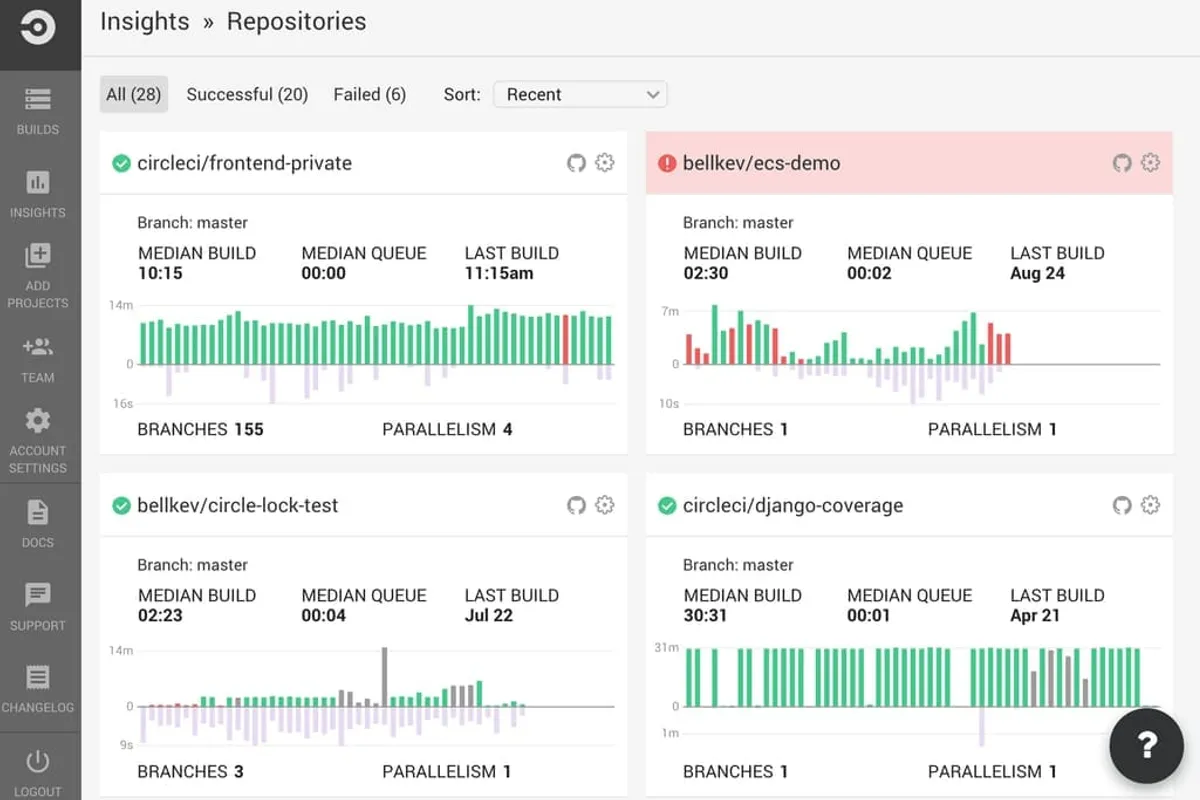
- CircleCI
For example, GitHub Actions allows developers to define automated workflows triggered by events like commits or pull requests.
Typical pipeline flow
Developer pushes code
        ↓
CI pipeline builds project
        ↓
Automated tests run
        ↓
Security scans run
        ↓
Container image built
        ↓
Deployment to Kubernetes
New pipeline tools such as Dagger and Earthly also allow developers to define pipelines using programming languages instead of YAML files. ([Toxigon][3])
3. Containerization
Container technology packages applications and dependencies into portable environments.
Essential Container Tools
- Docker
- Podman
Containers ensure applications run consistently across development, testing, and production environments.
Why containers matter in 2026
- Consistent environments
- Faster deployments
- Cloud-native architecture
- Microservices support
4. Container Orchestration
When applications run hundreds of containers, orchestration tools manage scaling, networking, and deployments.
Industry Standard
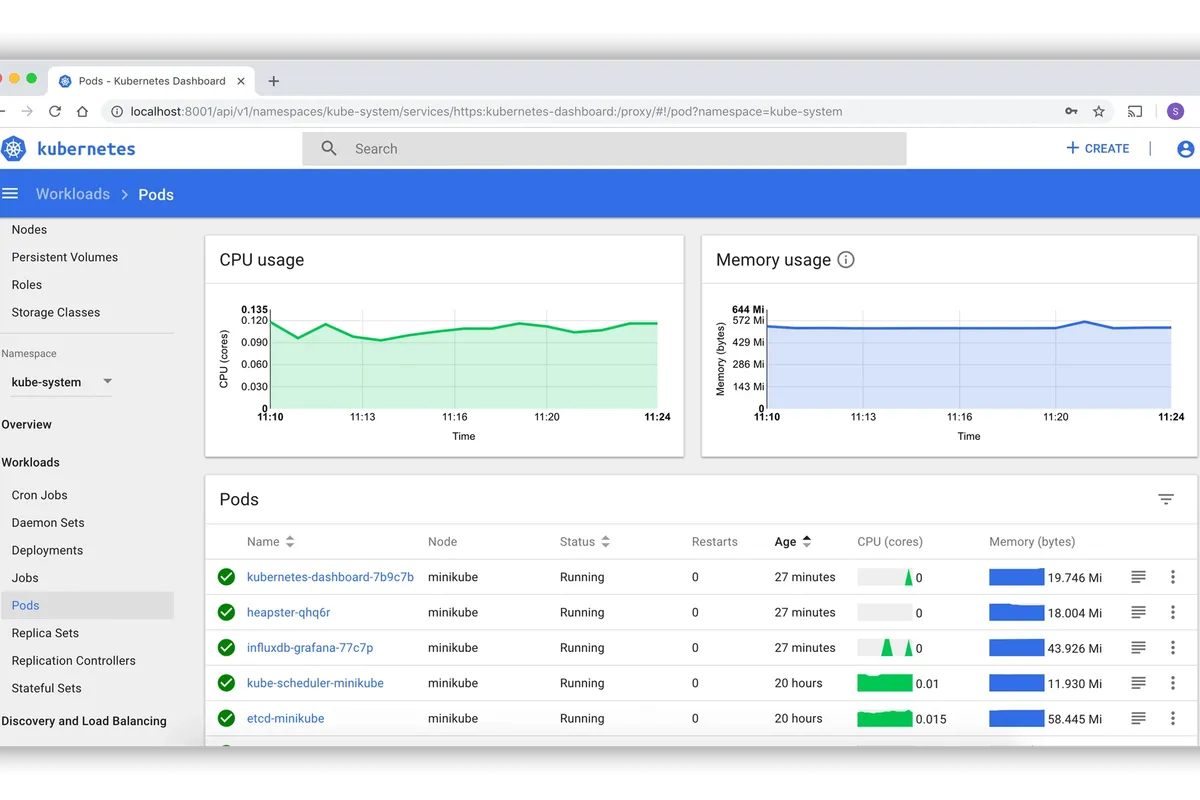
- Kubernetes
Kubernetes automates container deployment, scaling, and service discovery across distributed systems.
Supporting tools:
- Helm (Kubernetes package manager)
- Istio (service mesh)
- Linkerd (service mesh)
5. Infrastructure as Code (IaC)
Infrastructure as Code lets teams define cloud infrastructure using code, enabling repeatable and automated deployments.
Most Popular IaC Tools
- Terraform
- Pulumi
- AWS Cloud Development Kit
- Ansible
These tools provision servers, databases, and networks automatically instead of manual setup.
Example Terraform workflow:
terraform init
terraform plan
terraform apply
6. GitOps & Continuous Delivery
GitOps uses Git repositories as the single source of truth for infrastructure and deployment.
Key GitOps Tools
- Argo CD
- Flux
These tools continuously synchronize the state of Kubernetes clusters with Git repositories.
Benefits:
- Automated rollbacks
- Version-controlled infrastructure
- Safer deployments
7. Observability & Monitoring
Modern systems require deep monitoring of metrics, logs, and traces.
Top Monitoring Tools
- Prometheus
- Grafana
- Datadog
- New Relic
These platforms collect metrics, detect anomalies, and visualize system performance.
Typical monitoring stack:
Prometheus → metrics collection
Grafana → dashboards
Alertmanager → notifications
8. DevSecOps (Security Automation)
Security is now integrated directly into DevOps pipelines.
Security Tools
- Snyk
- Trivy
- HashiCorp Vault
Security scans can run automatically in CI pipelines to detect vulnerabilities before deployment.
Example security checks:
- Dependency scanning
- Container image scanning
- Infrastructure misconfiguration detection
Example Modern DevOps Pipeline (2026)
A typical modern DevOps pipeline might look like this:
GitHub / GitLab
      ↓
GitHub Actions (CI/CD)
      ↓
Docker build
      ↓
Security scan (Snyk / Trivy)
      ↓
Push image to registry
      ↓
Terraform deploy infrastructure
      ↓
Kubernetes deployment
      ↓
Monitoring with Prometheus + Grafana
Key DevOps Trends in 2026
AI-Powered DevOps
AI is increasingly used for predictive scaling, automated incident response, and infrastructure optimization.
GitOps Adoption
More organizations use Git-based deployment models for reliability and auditability.
DevOps + MLOps
Companies are integrating AI model deployment pipelines into DevOps workflows.
Final Thoughts
A strong DevOps toolchain in 2026 typically includes:
- Git + GitHub/GitLab (source control)
- CI/CD automation
- Docker containers
- Kubernetes orchestration
- Terraform infrastructure automation
- Monitoring and security tools
Organizations adopting this stack can deploy faster, scale reliably, and maintain secure cloud infrastructure.