As cloud spending rises, so does the need for precision monitoring. For many organizations, bills spiral not because of usage alone — but because teams lack visibility into where costs originate, which workloads are inefficient, and which services are underutilized.
Cloud cost monitoring tools give teams real-time visibility, predictive insights, anomaly detection, and optimization recommendations — turning unpredictable cloud bills into manageable operational costs.
Below is a professional, buyer-focused guide to the top cloud cost monitoring tools in 2026 — designed to help teams save money, tighten governance, and eliminate waste.
1. CloudHealth by VMware — Enterprise-Grade Cloud Cost Management
CloudHealth is widely adopted by large enterprises looking for deep budgeting, forecasting, and governance controls across multi-cloud environments (AWS, Azure, GCP). Its robust reporting, customizable dashboards, and policy-based automation help teams enforce deployment rules that prevent overspending before it happens.
Key strengths:
- Comprehensive cost allocation across teams/projects
- Automated governance and policy enforcement
- Predictive forecasting and reserved instance planning
- Strong multi-cloud support
Ideal for: Enterprises with complex cloud footprints and multi-team governance needs.
2. AWS Cost Explorer / AWS CloudWatch — Native AWS Monitoring
If your cloud infrastructure is primarily on Amazon Web Services, AWS Cost Explorer paired with CloudWatch provides rich native cost and usage insights without third-party overhead. Cost Explorer lets users query spend by service, account, and tag, while CloudWatch can trigger alerts when thresholds are hit.
Key strengths:
- Deep native integration with AWS services
- Fine-grained tagging and cost allocation
- Custom alerts and budget tracking
- No third-party licensing required
Ideal for: AWS-centric environments and teams that prefer built-in tooling.
3. Azure Cost Management + Billing — Microsoft’s Native Tooling
Azure Cost Management unifies billing, visibility, and recommendations across both Azure and AWS accounts (yes, it supports multi-cloud). It offers built-in optimization suggestions, compliance checks, and exportable cost reports.
Key strengths:
- First-party Azure integration
- AI-powered spend recommendations
- Role-based cost visibility
- Multi-cloud support
Ideal for: Organizations heavily invested in Microsoft Azure or hybrid cloud.
4. Google Cloud Billing + Cost Management — Native GCP Insights
Google Cloud’s native cost tooling combines billing visualization with analytics. It provides detailed spend breakdowns, custom dashboards, and integrations with Looker dashboards for deeper insights. For teams running workloads across multiple regions, GCP cost tools offer actionable breakdowns of regional spend.
Key strengths:
- Regional usage and spend analysis
- Integration with Looker for advanced BI dashboards
- Custom alerts and spend segmentation
Ideal for: Teams with GCP-based architectures and BigQuery workloads.
5. Kubecost — Kubernetes-Focused Cost Monitoring
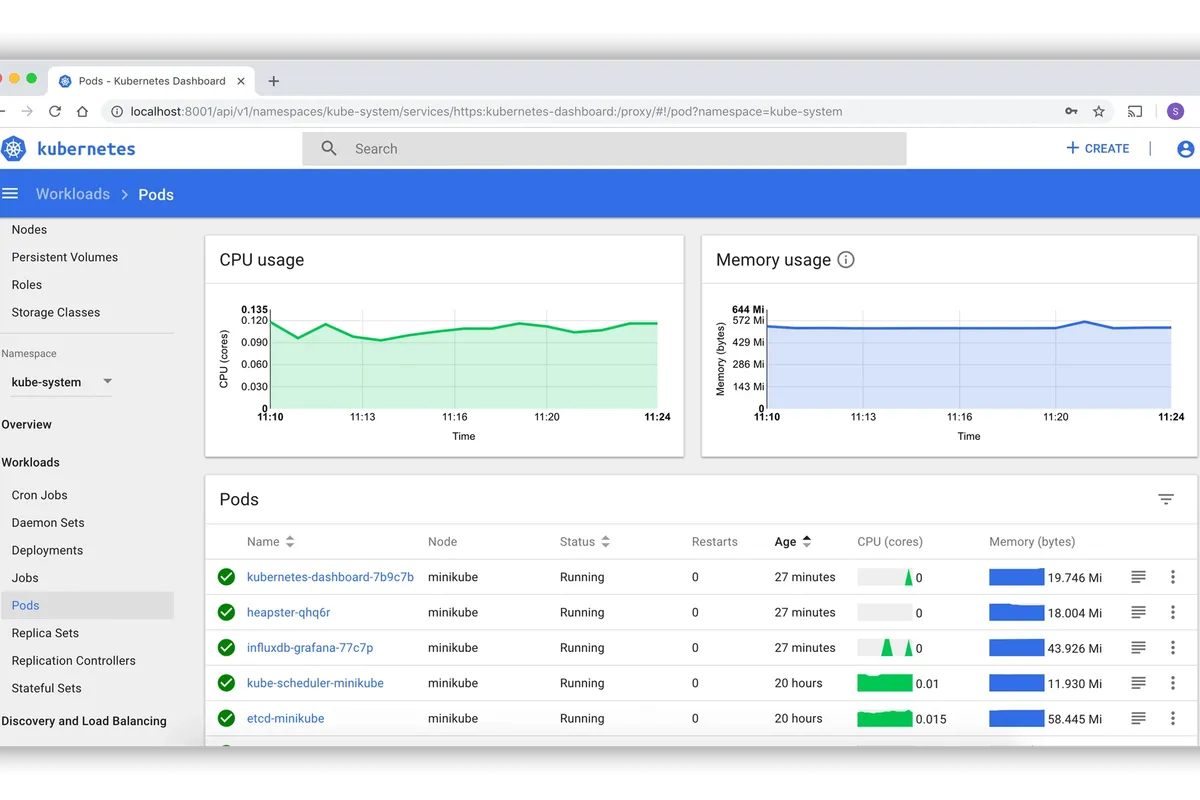
Kubecost has become essential for cloud environments built on Kubernetes. It breaks down costs by namespace, service, team, and container — eliminating guesswork about which parts of a cluster are burning budget. Real-time cost allocation combined with efficiency insights helps teams optimize autoscaling, resource requests/limits, and idle resources.
Key strengths:
- Real-time Kubernetes cost allocation
- Resource efficiency recommendations
- Integration with major Kubernetes distributions
- Open-source core with enterprise options
Ideal for: Kubernetes-centric environments and microservices architectures.
6. Spot by NetApp (formerly Spot Ocean) — Cloud Cost Intelligence + Automation
Spot offers advanced cost intelligence with automation features that proactively optimize workloads. It includes predictive scaling, workload placement recommendations, and hybrid cost governance across cloud platforms.
Key strengths:
- Predictive scaling and placement optimization
- Automated workload right-sizing
- Hybrid/cloud portfolio visibility
- Anomaly detection and spend forecasting
Ideal for: Organizations with dynamic workloads and hybrid environments.
7. Apptio Cloudability — Finance-Ready Cloud Cost Governance
Apptio Cloudability focuses on enterprise financial governance with strong chargeback/showback features, forecasting, and trend analysis. It helps finance and engineering teams collaborate on budgets, spend accountability, and transparency.
Key strengths:
- Chargeback and showback reporting
- Budget governance and forecasting
- Strong finance+tech collaboration tools
Ideal for: Teams that need tight financial governance and reporting between tech and finance units.
8. Flexera One — Unified IT + Cloud Cost Management
Flexera combines cloud cost monitoring with license management and IT asset visibility — all in one platform. Its optimization suggestions, cross-account spend reporting, and policy enforcement tools deliver a unified view of cloud efficiency and cost drivers.
Key strengths:
- Cloud + license + asset visibility
- Policy-driven governance
- Cross-cloud cost reporting
Ideal for: Organizations needing a comprehensive IT + cloud cost platform.
9. Harness Cloud Cost Management — AI-Driven Insights
Harness leverages AI to identify anomalies, predict cost trends, and recommend optimization actions. It integrates with deployment pipelines and cloud platforms to give real-time insights — especially helpful in dynamic CI/CD environments.
Key strengths:
- AI anomaly detection and trending
- Integration with DevOps workflows
- Real-time spend visibility
- Custom cost recommendations
Ideal for: Teams practicing continuous delivery and frequent deployments.
10. CloudZero — Adaptive Cloud Cost Intelligence
CloudZero focuses on value-based cost allocation, connecting spend to product features, customer segments, or business units. It’s popular among SaaS companies that want to link cloud costs directly to revenue and unit economics.
Key strengths:
- Cost allocation tied to business units/features
- Custom dashboards and alerts
- Root-cause cost analytics
Ideal for: SaaS, product-focused organizations, and teams aligning engineering spend with business goals.
Choosing the Right Tool
Here’s a simple way to match tools to your needs:
✔ AWS-native cost insight: AWS Cost Explorer + CloudWatch
✔ Azure focus or multi-cloud support: Azure Cost Management
✔ GCP spend analysis: Google Cloud Billing tools
✔ Kubernetes cost visibility: Kubecost
✔ Hybrid/cloud automation: Spot (NetApp)
✔ Finance & engineering alignment: Apptio Cloudability
✔ AI-driven recommendations: Harness or CloudZero
✔ Comprehensive IT + Cloud view: Flexera One
✔ Enterprise governance: CloudHealth