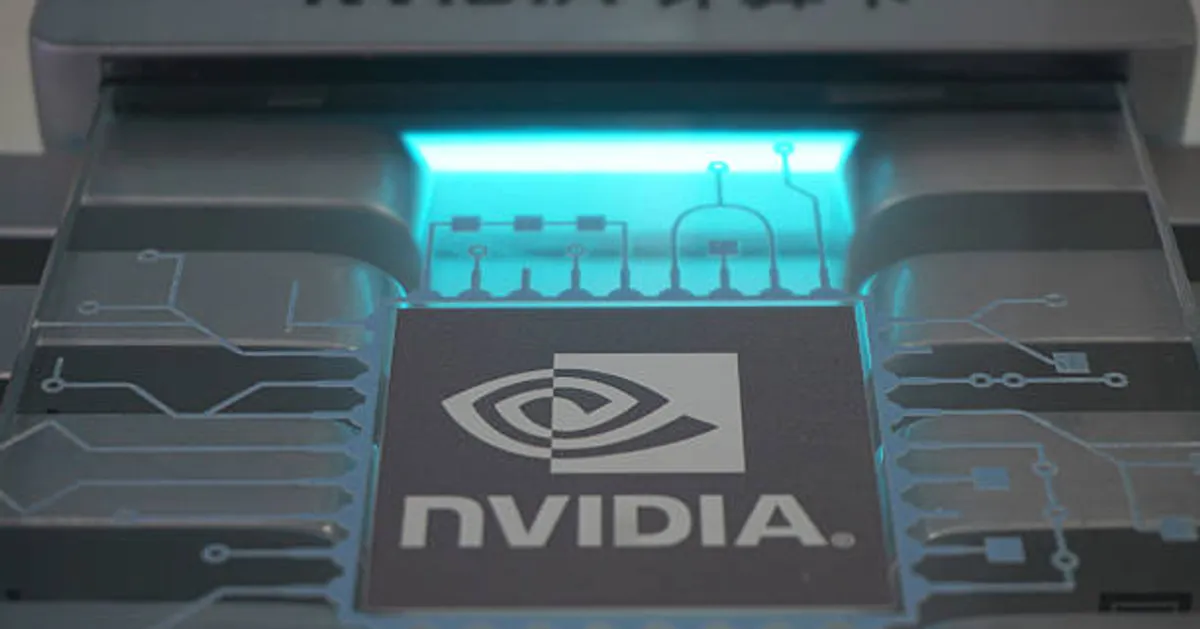
Beijing, Dec 31 — Nvidia is ramping up efforts to satisfy strong demand from Chinese technology companies for its H200 artificial intelligence chips and has approached contract manufacturer Taiwan Semiconductor Manufacturing Co (TSMC) to increase production, sources said.
Chinese firms have reportedly placed orders exceeding 2 million H200 chips for 2026, while Nvidia currently holds only about 700,000 units in stock. The additional order volume from TSMC is expected to start production in the second quarter of 2026, although exact figures have not been disclosed.
The H200, part of Nvidia’s Hopper architecture, uses TSMC’s 4-nanometer manufacturing process. Initial orders will be fulfilled from existing inventory, with the first shipments expected before the Lunar New Year in mid-February.
Nvidia has indicated to Chinese clients that eight-chip H200 modules could cost around 1.5 million yuan each, slightly higher than the now-unavailable H20 modules but offering roughly six times the performance. The pricing represents a roughly 15% discount compared to grey-market alternatives.
ByteDance alone plans to spend about 100 billion yuan on Nvidia chips in 2026, up from 85 billion yuan in 2025, contingent on Chinese approval for H200 imports.
The planned expansion follows the Trump administration’s recent authorization of H200 chip sales to China with a 25% export fee, reversing a previous ban by the Biden administration. However, Chinese authorities have yet to confirm approval amid concerns that foreign advanced chips could affect domestic AI chip development. One potential regulation under discussion would require buyers to pair H200 purchases with a certain ratio of domestically produced chips.
Nvidia said its licensed sales to authorized Chinese customers would not impact supply to U.S. clients. TSMC and China’s Ministry of Industry and Information Technology did not comment.
The surge in Chinese demand highlights both the growing appetite for advanced AI hardware and the regulatory uncertainties shaping global semiconductor supply chains.