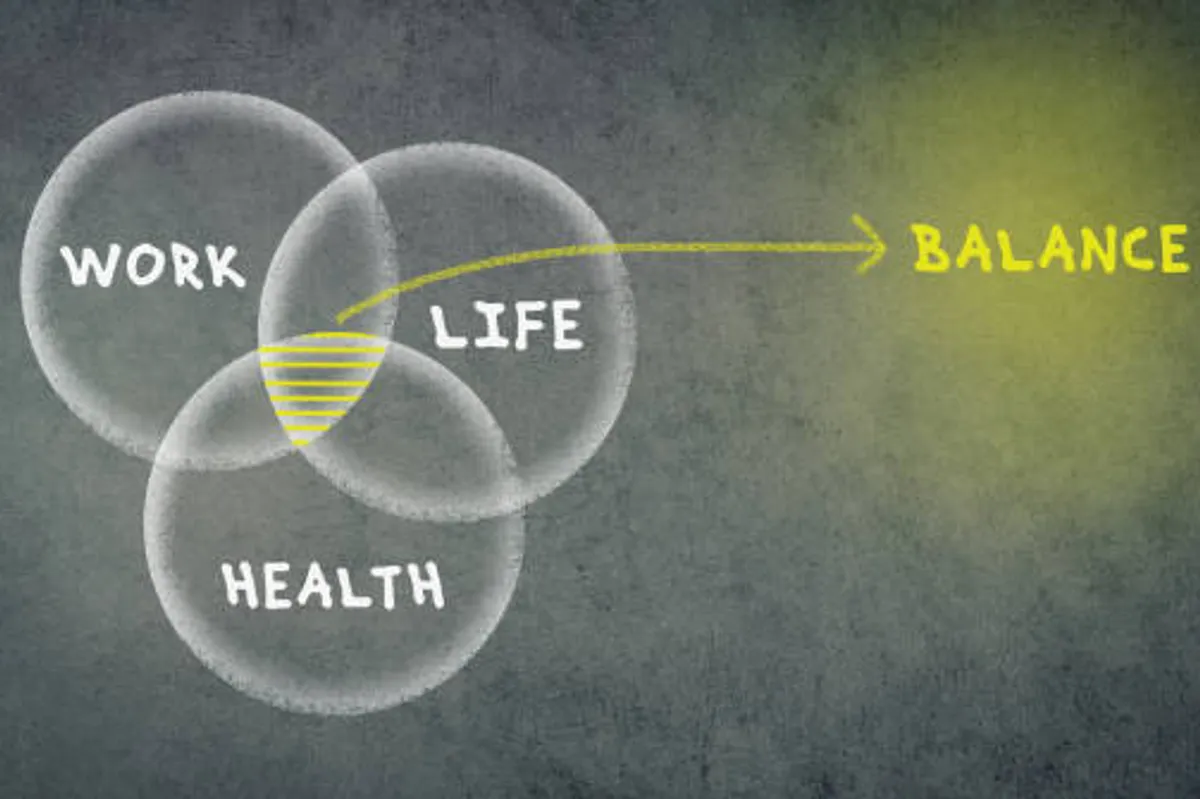
Stress has quietly become one of the biggest threats to modern health. From constant notifications to financial pressure and burnout culture, many people now live in a near-permanent state of mental overload. The good news is that stress is not inevitable — and managing it does not require extreme lifestyle changes or unrealistic routines.
This guide breaks down what science says about stress, how it affects the body and mind, and practical, evidence-based ways to reduce it sustainably.
What Stress Really Is (And Why It Feels So Draining)
Stress is the body’s natural response to perceived danger or pressure. When triggered, your brain releases cortisol and adrenaline, preparing you to “fight or flee.” This response is useful in short bursts — but harmful when activated constantly.
Chronic stress has been linked to:
- Poor sleep quality
- Reduced concentration and memory
- Digestive issues
- Weakened immunity
- Anxiety and emotional exhaustion
Stress is not a personal failure. It’s a biological response to prolonged demands without adequate recovery.
The Science of Stress Reduction
Research consistently shows that stress reduction works best when it targets three core systems:
- The nervous system (how quickly your body returns to calm)
- The mind (how you interpret challenges)
- Daily habits (sleep, movement, boundaries)
There is no single magic solution — but small, consistent changes across these areas produce lasting results.
1. Train Your Nervous System to Calm Down Faster
One of the fastest ways to reduce stress is to work directly with your breathing and body.
What Works:
- Slow nasal breathing (inhale 4 seconds, exhale 6 seconds)
- Progressive muscle relaxation
- Short daily walks, especially outdoors
These techniques activate the parasympathetic nervous system, signaling safety to the brain.
Why it works: Studies show slow breathing can reduce cortisol levels and heart rate within minutes.
2. Reframe Stressful Thoughts (Without Positive-Thinking Lies)
Stress often comes not from events themselves, but from how we interpret them.
Instead of forcing positivity, evidence supports cognitive reframing:
- Replace “I can’t handle this” with “This is difficult, but temporary”
- Replace “Everything is urgent” with “What actually needs attention today?”
This approach reduces emotional intensity without denying reality.
3. Protect Your Sleep Like a Health Asset
Sleep is the most powerful stress-recovery tool available — and the most neglected.
Evidence-Backed Tips:
- Consistent sleep and wake times
- No screens 60 minutes before bed
- Cool, dark sleeping environment
Even one week of improved sleep can significantly lower stress markers.
4. Move Your Body, But Don’t Overdo It
Exercise reduces stress hormones and increases endorphins — but excessive intensity can backfire.
Best options for stress reduction:
- Walking
- Light strength training
- Yoga or stretching
- Low-impact cardio
Consistency matters more than intensity.
5. Reduce Input, Not Just Output
Many people try to manage stress by becoming more productive. Evidence suggests the opposite often works better.
Reduce:
- Constant news consumption
- Non-essential notifications
- Unnecessary social comparison
Create intentional “low-input” time daily. Mental quiet is not laziness — it’s recovery.
6. Build a Stress-Resilient Lifestyle (Not a Perfect One)
Stress-free living does not mean a problem-free life. It means:
- Faster emotional recovery
- Better boundaries
- More mental clarity under pressure
Progress comes from small, repeatable habits, not drastic changes.
Final Takeaway
Stress is not something to eliminate completely — it’s something to manage intelligently. With evidence-based strategies and realistic expectations, stress can become manageable rather than overwhelming.
A calmer life is not about doing more. It’s about recovering better.