Bulgaria’s Government Collapses Amid Mass Protests Just Weeks Before Euro Adoption

GeokHub
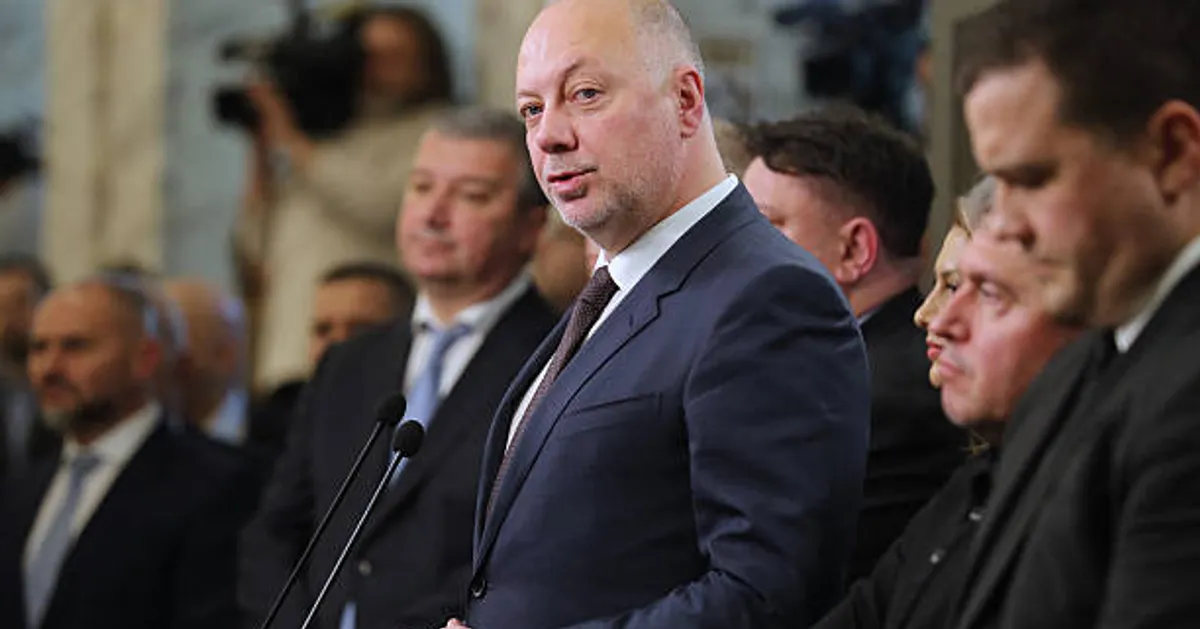
Sofia, Dec 11 (GeokHub) Bulgaria’s government has resigned after weeks of mass protests that swept the nation in opposition to alleged corruption and unpopular economic policies. The announcement came just days before the country was set to adopt the euro as its official currency on January 1, intensifying political uncertainty at a critical moment for the Balkan state.
Tens of thousands of Bulgarians took to the streets in the capital and across major cities, demanding the resignation of Prime Minister Rosen Zhelyazkov’s coalition. Demonstrators expressed deep frustration over perceived corruption, governance failures, and a draft budget that proposed higher taxes and social security contributions — a plan that was later withdrawn in response to public outcry.
In a televised address, Zhelyazkov declared that the government had “heard the voice of society” and stepped aside ahead of a scheduled no-confidence vote. His minority coalition had already faced repeated challenges in parliament, where deep fragmentation has made stable governance elusive.
Analysis / Impact:
The collapse of Bulgaria’s government on the eve of its planned eurozone entry highlights the country’s chronic political instability. Over the past four years, successive administrations have struggled to maintain parliamentary majorities, and this latest resignation may trigger another period of political fragmentation or a snap election if parties fail to form a new government.
Economically, the timing exacerbates risks related to the transition from the lev to the euro. With no approved budget in place and questions persisting over fiscal oversight, businesses and markets may face heightened uncertainty. Public unease over inflation and the potential for price shocks around the currency switch has already surfaced, adding pressure on political leaders to act swiftly and responsibly.
Socially, the protests demonstrate broad citizen engagement, cutting across age groups and political divides. While many participants support deeper integration with Europe, including euro adoption, others voiced concerns about economic hardship, corruption, and national sovereignty — revealing a complex backdrop to the unrest.