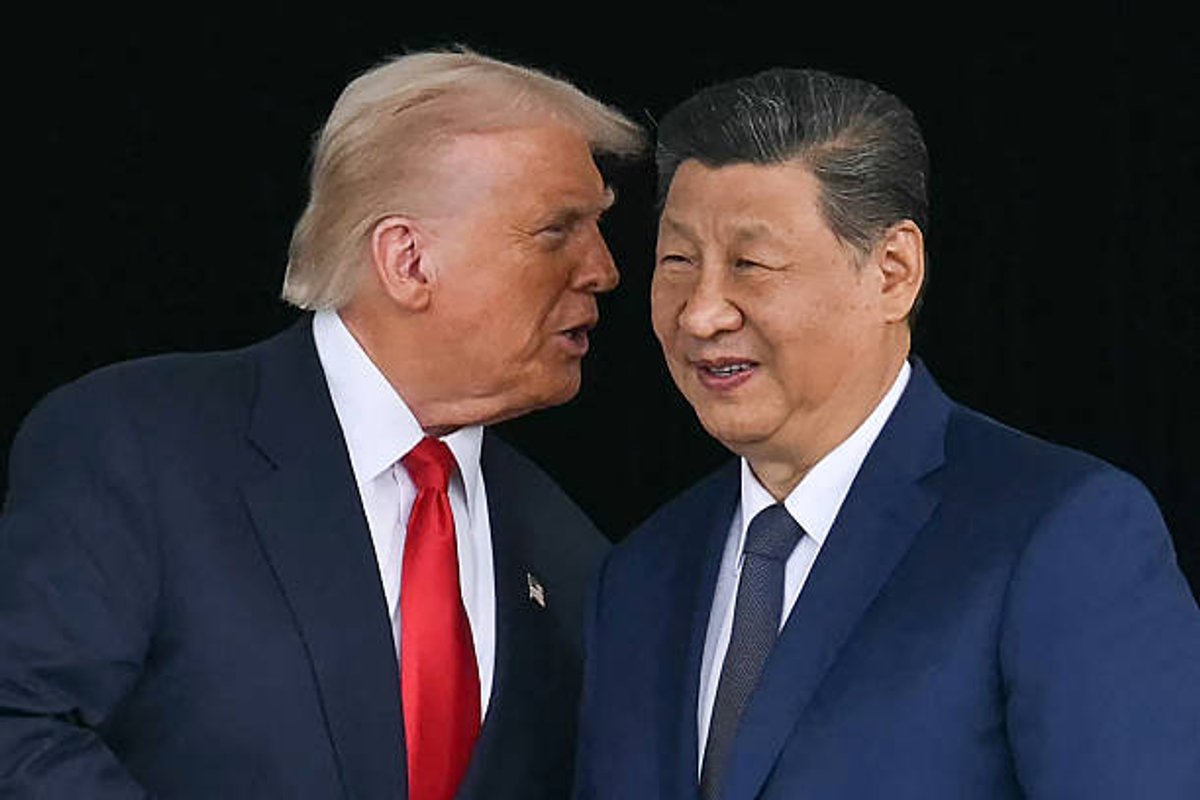
BEIJING, Feb 19 (GeokHub) — China is seeking to turn U.S. trade pressure into a long-term strategic advantage by accelerating efforts to embed itself deeper into the global trading system, according to policymakers and trade analysts.
As President Donald Trump intensifies tariff measures, Beijing is working to integrate its $19 trillion economy more firmly with major economic blocs, including the European Union, Gulf states, and members of the Comprehensive and Progressive Agreement for Trans-Pacific Partnership (CPTPP).
Chinese officials and trade advisers describe the moment as an opportunity to shield the country’s vast manufacturing base from long-term U.S. containment efforts.
Blueprint Years in the Making
A review of Chinese policy research published since 2017 shows sustained efforts by state-backed scholars to analyze U.S. trade tactics and design countermeasures. Papers endorsed by institutions such as the Chinese Academy of Social Sciences and Peking University outline strategies aimed at preventing economic “decoupling” from global markets.
“Anti-decoupling should become China’s primary focus,” wrote Ni Feng of CASS in 2024.
Beijing is reportedly accelerating negotiations on roughly 20 trade agreements, some under discussion for years. Talks are ongoing or being revived with countries including South Korea, Switzerland, Panama, Peru, and Honduras.
China has also upgraded its engagement with Southeast Asia under the Regional Comprehensive Economic Partnership (RCEP), which covers about 30% of global GDP. Recent agreements emphasize digital trade and artificial intelligence-enabled customs systems designed to streamline cross-border commerce.
Commerce Minister Wang Wentao has made accession to the CPTPP a priority, despite concerns among member states about China’s large trade surplus and market-access practices.
Diplomatic Push in Europe and Beyond
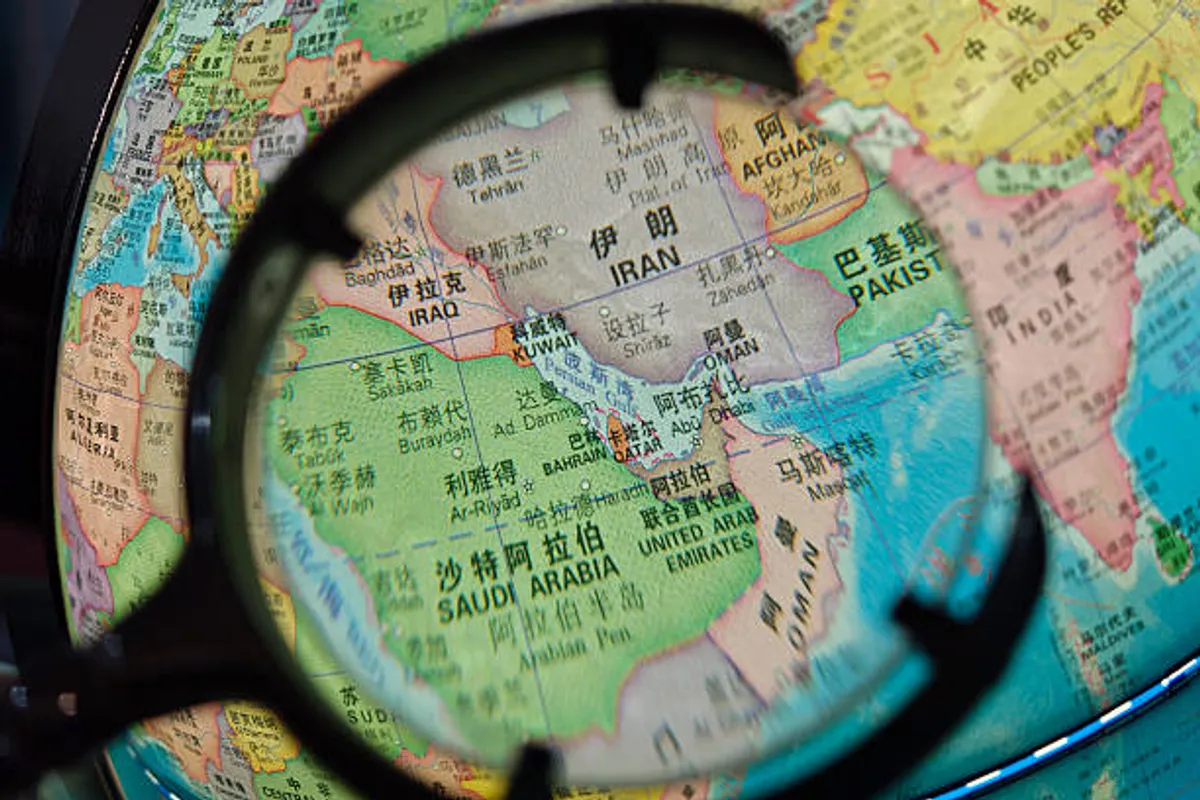
China’s foreign minister Wang Yi has signaled renewed interest in deepening trade ties with Europe, including raising the prospect of a free-trade agreement with the EU. Discussions with the Gulf Cooperation Council have also resumed.
Meanwhile, Prime Minister Keir Starmer and Chinese President Xi Jinping recently agreed to explore a trade-in-services agreement aimed at lowering barriers for British firms. German Chancellor Friedrich Merz has similarly indicated interest in “strategic partnerships” during upcoming talks in Beijing.
China has also implemented zero-tariff treatment for imports from dozens of African nations and increased development outreach in smaller economies affected by U.S. tariff actions.
Trade Imbalances and Skepticism
China’s strategy faces obstacles, notably its $1.2 trillion global trade surplus, which has raised concerns among trading partners about overcapacity and market distortions.
Former WTO Director-General Pascal Lamy questioned whether Beijing can successfully rebalance its economy toward domestic consumption.
Others argue that China must demonstrate tangible reforms to gain credibility as a champion of multilateral trade. Wendy Cutler, former U.S. trade negotiator for the Trans-Pacific Partnership, said Beijing would need to address trade imbalances and coercive practices to persuade skeptical partners.