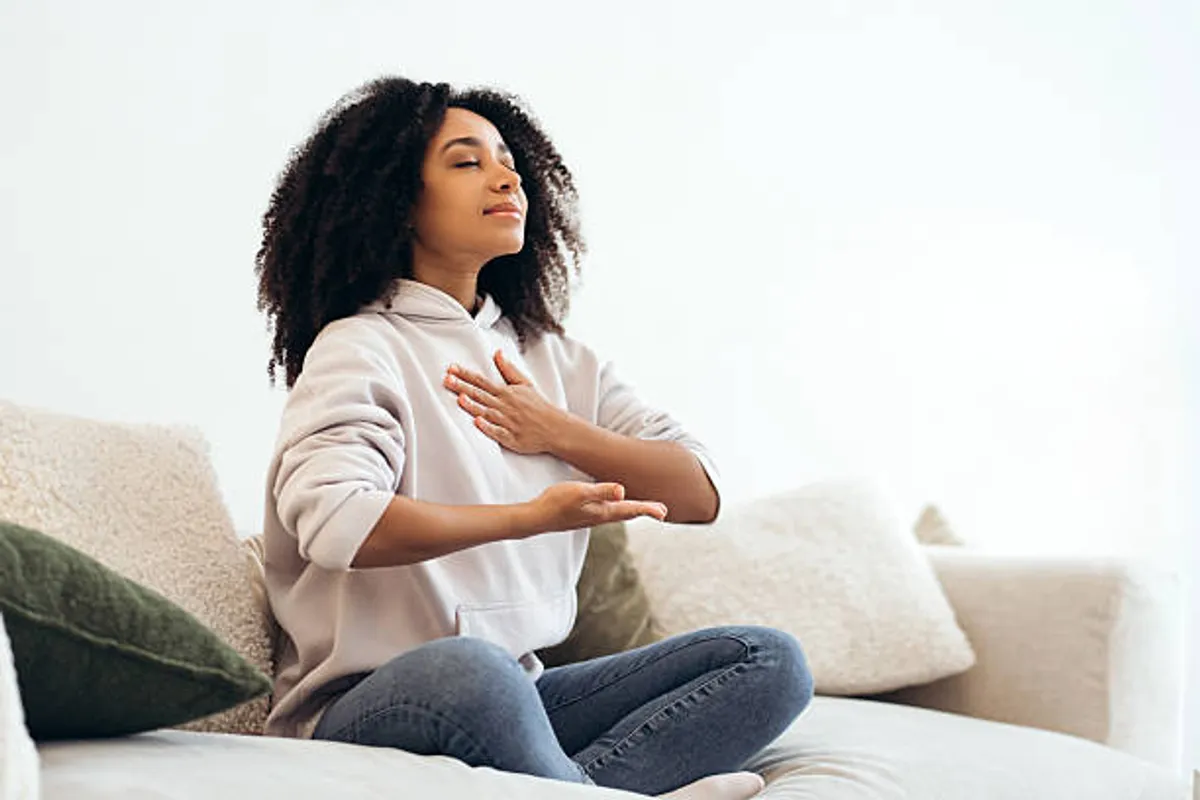
Does Meditation Really Work for Anxiety? A Science-Backed Look

GeokHub
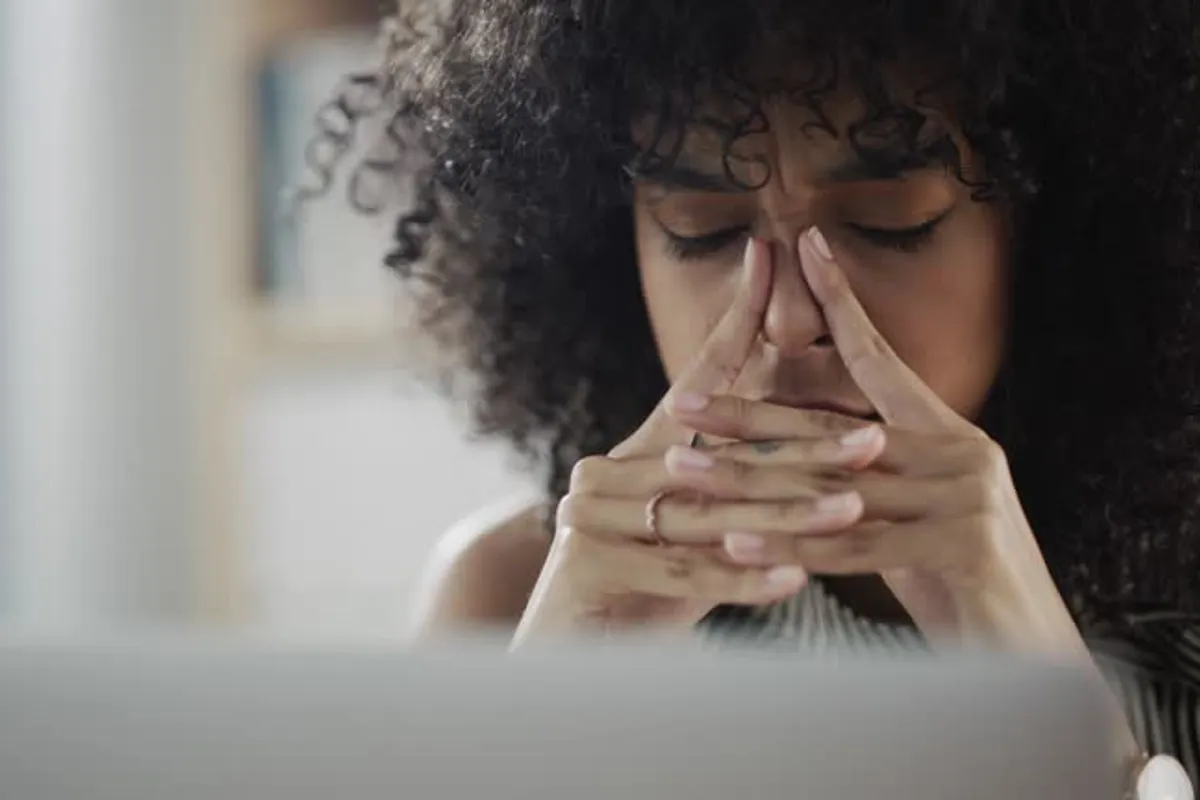
If you’ve ever felt your heart race before a big meeting, struggled to quiet a spiral of worries at 2 a.m., or felt a knot of dread in your stomach for no clear reason, you’ve experienced anxiety. It’s your body’s ancient alarm system—meant to protect you from lions, but now triggered by emails, social situations, and an uncertain future.
In search of relief, you’ve likely heard the advice: “You should meditate.” But when your mind is already a storm of “what-ifs,” the idea of sitting silently with your thoughts can feel impossible, even laughable.
Get daily updates from GeokHub with the latest health tips by subscribing to our Newsletter
So, let’s cut through the hype and ask the practical question: Does meditation actually work for anxiety, or is it just another wellness trend?
The short, science-backed answer is yes, it can be profoundly effective—but not in the way most people expect.
Meditation isn’t a magic pill that erases anxiety. It’s more like training for your mind. You’re not trying to stop the waves of worry; you’re learning to surf them.
How Meditation Rewires an Anxious Brain: The Science
[Anxiety](How to Calm an Anxiety Attack Immediately: A Step-by-Step Guide) often lives in two places: our thoughts about the future and our body’s physical reaction to those thoughts. Meditation addresses both.
1. It Changes Your Relationship with Thoughts
An anxious mind is often stuck in a cycle of catastrophic thinking: “What if I fail? What if they think I’m incompetent? What if something bad happens?”
Meditation, particularly mindfulness meditation, teaches you to observe these thoughts without getting swept away by them. You learn to see a thought as just that—a temporary mental event, not a fact or a command. This creates what psychologists call “decentering” or “cognitive defusion.”
The Shift: Instead of “I am anxious,” you learn to notice, “I am experiencing the feeling of anxiety right now.” This subtle shift creates critical space between you and your worry, reducing its power.
2. It Calms the Nervous System
Anxiety triggers the sympathetic nervous system—your “fight-or-flight” response. Meditation activates its counterpart: the parasympathetic nervous system, or the “rest-and-digest” state.
Studies using neuroimaging (fMRI) show that regular meditation:
- Reduces activity in the amygdala: This is your brain’s fear center. With practice, it becomes less reactive.
- Strengthens the prefrontal cortex: This is the area responsible for executive function, like rational decision-making and emotional regulation. Essentially, you strengthen the part of your brain that can say, “Hey, amygdala, let’s calm down.”
3. It Lowers Physiological Symptoms
Research published in journals like JAMA Psychiatry and Frontiers in Human Neuroscience consistently shows meditation can reduce the physical hallmarks of anxiety:
- Lowered cortisol (the stress hormone)
- Reduced heart rate and blood pressure
- Decreased inflammatory responses
What the Research Actually Says: Beyond the Hype
Meta-analyses (studies of studies) provide the clearest picture:
- A 2014 review in JAMA Internal Medicine concluded that mindfulness meditation programs showed “moderate evidence” of improving anxiety.
- A more recent 2022 meta-analysis found that Mindfulness-Based Stress Reduction (MBSR) was as effective as standard therapies like cognitive-behavioral therapy (CBT) for many individuals with anxiety disorders.
- The key finding across research is that consistency matters more than duration. Five minutes daily is more effective than an hour once a month.
The Verdict: Meditation is not a placebo. It’s a evidence-based tool that induces measurable biological and psychological changes that counter anxiety.
The Practical Guide: How to Make Meditation Work for Your Anxiety
The biggest reason people quit meditation is unrealistic expectations. You don’t climb into the ring on day one and knock out anxiety. You train.
Step 1: Redefine “Success”
A “good” session is not a silent, blissful mind. A good session is simply the act of noticing when you’ve wandered off and gently returning your focus. Every time you do this, you are doing the reps. That is the practice.
Step 2: Start with Anchors (Not Your Breath)
Telling an anxious person to “just focus on your breath” can backfire—it can make them hyper-aware of their racing heart or shallow breathing.
Try these anchors instead:
- The 5-4-3-2-1 Grounding Technique: Notice 5 things you see, 4 things you feel, 3 things you hear, 2 things you smell, 1 thing you taste.
- Body Scan: Mentally scan from your toes to your head, just noticing sensations without judgment.
- Mantra Repetition: Silently repeat a neutral word or phrase like “calm” or “let go” with each exhale.
Step 3: Use Micro-Meditations
You don’t need a cushion and 30 minutes. Integrate mindfulness into your day:
- The 60-Second Reset: Before opening an overwhelming email, pause for three intentional breaths.
- Mindful Walking: Feel your feet on the ground for just one block.
- WAIT Technique: When anxiety spikes, ask yourself: “What Am I Thinking?” Just identifying the trigger thought can defuse it.
Step 4: Choose the Right Type of Meditation
- For Rumination (Overthinking): Try Mindfulness Meditation. Apps like Headspace or Waking Up offer excellent guided courses for beginners.
- For a Racing Heart & Physical Tension: Try Loving-Kindness (Metta) Meditation. Directing compassion outwardly can paradoxically calm internal turmoil.
- For Panic Attacks: Focused-Attention Meditation on a single object (like a sound or sensation) can provide a crucial anchor.
Who Should Be Cautious?
For some, meditation can initially increase anxiety. This is usually temporary, but if you have a history of trauma or severe panic disorders, diving into silent meditation alone can be overwhelming.
Recommendation: Seek guidance. Work with a therapist trained in mindfulness or try a structured, teacher-led program like MBSR (Mindfulness-Based Stress Reduction).
The Final, Honest Take
Meditation for anxiety is less about achieving perfect calm and more about building resilience. It’s the difference between being stuck in a thunderstorm and sitting on a sheltered porch watching the same storm pass. You’re still in the weather, but you’re no longer being pelted by the rain.
Will it “cure” your anxiety? Probably not entirely. Anxiety is a complex human experience.
Will it give you tools to manage it, reduce its intensity, and prevent it from running your life? Absolutely, if you practice consistently.
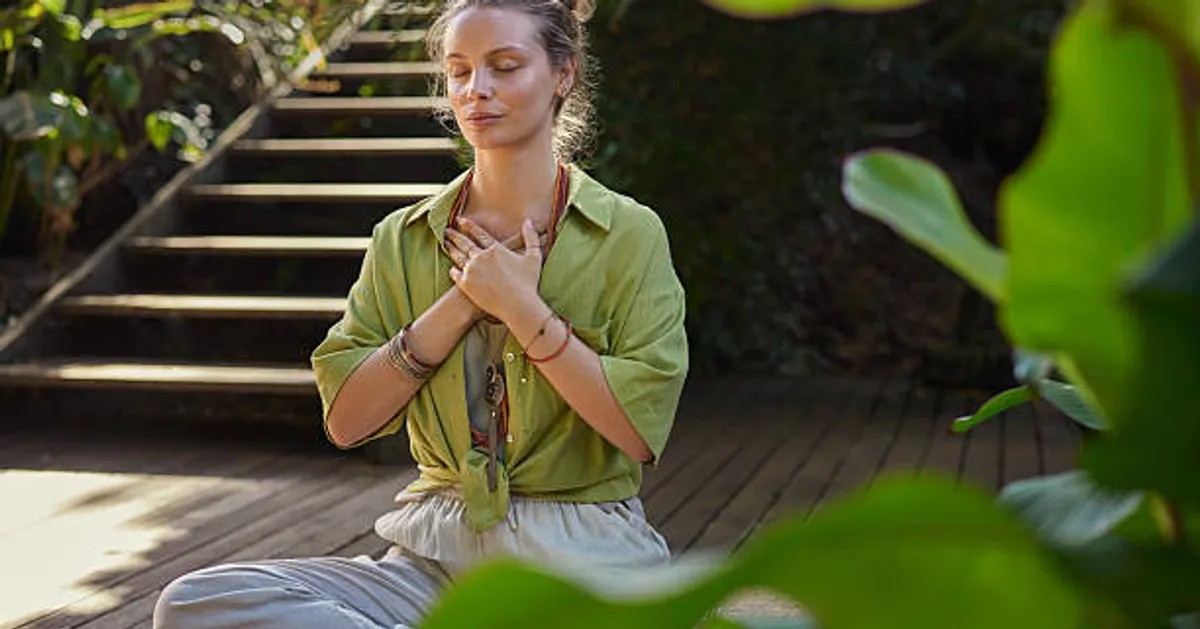
Start small. Start now. Sit for three minutes. Notice the whirlwind of thoughts, and simply practice returning—again and again—to the anchor of this present moment. That act of returning is where the real work happens, and where the science confirms: yes, this really does work.
If you enjoy our work and want to support us, you can buy us a coffee