Mental health support is no longer limited to therapists, books, or apps that merely track mood. In 2026, AI has matured into a meaningful support system — offering guided mindfulness, personalized coping strategies, real-time stress monitoring, and intelligent insights based on real behavior. These tools don’t replace professional help, but they empower users with accessible, evidence-inspired assistance when they need it most.
Below are five AI mental health tools that have been widely used and tested in 2026 — tools that genuinely help people reduce stress, improve mood, and build healthier habits.
1. YouGuide AI — Personal Mental Wellness Companion
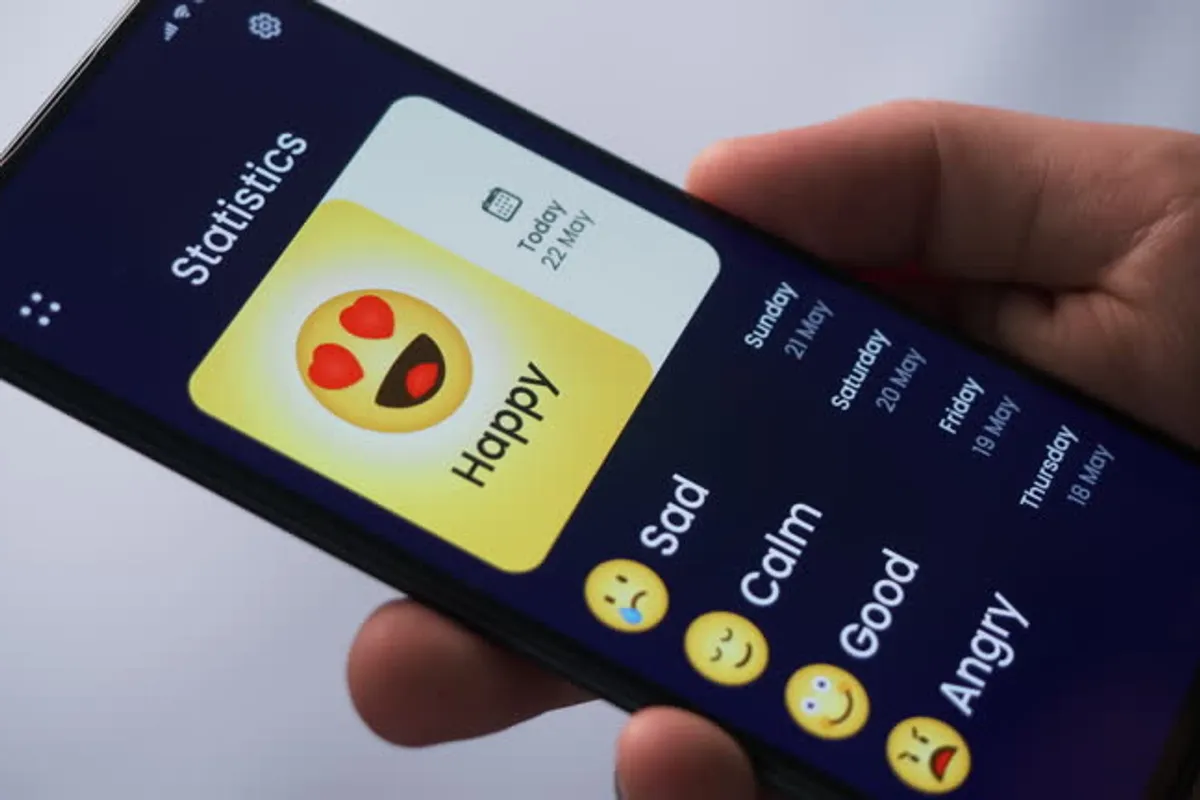
What it does: YouGuide AI provides daily check-ins, personalized mood tracking, and adaptive stress-reduction prompts. The AI analyzes user responses to tailor supportive messages, coping suggestions, and reflective activities.
Why it helps: Unlike static wellness apps, YouGuide AI adapts to your emotional patterns over time, offering suggestions that evolve with your needs.
Practical use: Ideal for daily emotional check-ins, managing stress triggers, and building self-awareness.
2. BreatheSync — AI-Powered Mindful Breathing Coach
What it does: BreatheSync uses biometrics (when paired with wearables) and guided breathing exercises to reduce anxiety and regulate nervous system responses. The AI adjusts breathing tempo based on heart rate patterns and stress signals.
Why it helps: Slow, intentional breathing has strong evidence for reducing cortisol and calming the nervous system — and BreatheSync personalizes that in real time.
Practical use: Best for stress relief during tense moments, pre-sleep relaxation, and performance anxiety.
3. ThoughtWay — AI Cognitive Reframing Tool
What it does: ThoughtWay combines journaling with AI cognitive reframing — helping users identify unhelpful thinking patterns and gently guide them toward healthier perspectives.
Why it helps: Cognitive reframing is a core part of evidence-based therapies like CBT (Cognitive Behavioral Therapy). ThoughtWay makes this accessible by suggesting alternative interpretations anchored in research.
Practical use: Effective for users facing negative thinking loops, self-criticism, or recurring stress triggers.
4. MoodLens — Real-Time Emotional Insight Tracker
What it does: MoodLens analyzes typing patterns, voice tone, and usage behavior (with user permission) to assess emotional states and notify users when stress, sadness, or burnout signals emerge.
Why it helps: Early detection of emotional shifts gives people a chance to intervene before feelings escalate into overwhelm.
Practical use: Helpful for professionals juggling deadlines, students managing workload, and anyone who wants proactive emotional awareness.
5. SupportSphere — AI-Enhanced Peer Support Network
What it does: SupportSphere blends AI moderation with peer support — connecting users to safe, moderated discussion groups centered on mental well-being. The AI helps match users with relevant communities and surfacing supportive resources.
Why it helps: Social connection is a well-documented protective factor for mental health. SupportSphere reduces isolation while maintaining safety through smart moderation.
Practical use: Great for community-based support, shared experience discussions, or supplemental support between therapy sessions.
Important Reminder: AI Tools Are Supportive, Not Substitutes
AI mental health tools can offer daily assistance, early insight, and coping resources — but they are not a replacement for licensed therapy. If you experience persistent distress, self-harm thoughts, or clinical mental health symptoms, please reach out to a qualified professional.
How to Choose the Right AI Mental Health Tool
Here’s a quick way to match tools with your needs:
✔ Daily emotional support: YouGuide AI
✔ Stress and anxiety regulation: BreatheSync
✔ Reframing negative thoughts: ThoughtWay
✔ Real-time emotional awareness: MoodLens
✔ Community and connection: SupportSphere
Each tool serves a unique purpose — and many users combine multiple tools for a well-rounded approach.