Global Space Investment Set to Rise Further in 2026 After Record-Breaking Year
Daniel Okoye
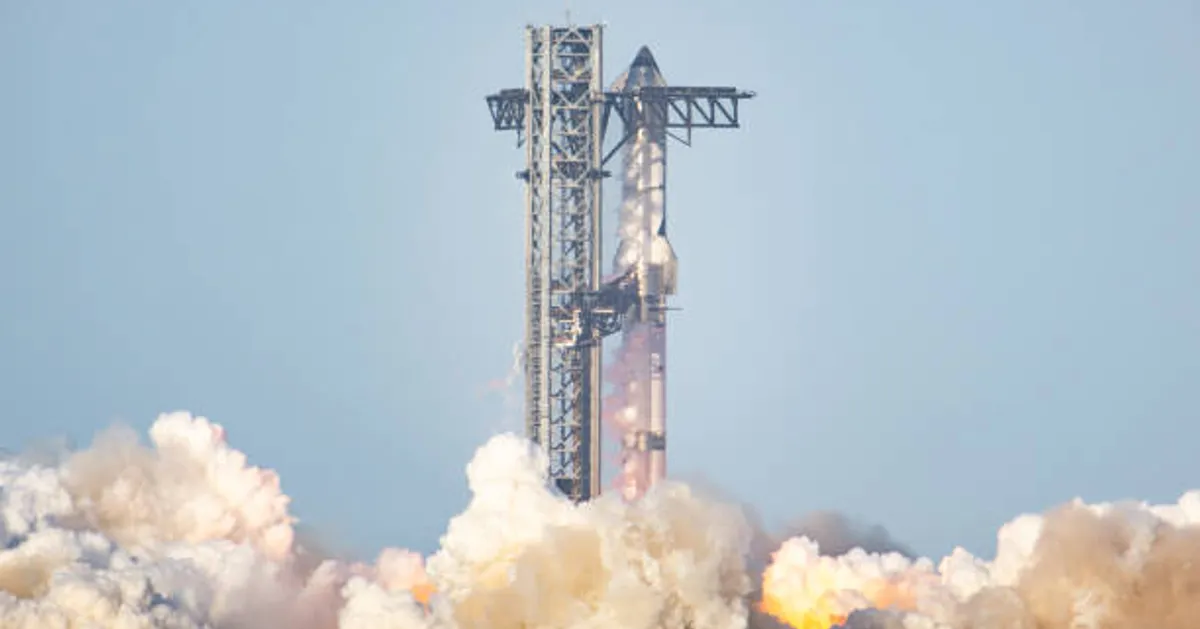
Jan 19, 2026 Global investment in space technology is expected to continue climbing in 2026, driven by rising government spending on defense-linked satellite systems and renewed private-sector confidence in launch infrastructure, according to investment firm Seraphim Space.
Space infrastructure is increasingly being treated as a strategic national priority, as governments compete to secure technological and geopolitical advantages. This shift has positioned space technology as a critical component of national security, economic resilience, and advanced data capabilities.
Defense, AI, and IPO Expectations Drive Momentum
Investors anticipate that funding growth in 2026 will be fueled by several key factors: increased spending on sovereign satellite and missile-defense systems, deeper integration of artificial intelligence into space hardware and analytics, and growing expectations around a potential SpaceX initial public offering.
“A potential SpaceX IPO could act as a powerful catalyst, further validating space technology as a mainstream asset class,” said Lucas Bishop, an investment analyst at Seraphim Space. He added that such a move could also create a clearer path to public listings for a growing number of late-stage space technology companies.
2025 Marks a Historic Recovery for the Sector
Investment in the space sector reached record levels in 2025, with private funding rising 48% year-on-year to $12.4 billion, according to Seraphim Space data. Of that total, $3.8 billion was raised in the final quarter alone, underscoring strong momentum toward the end of the year.
The funding surge surpassed the previous peak recorded in 2021 and marked a full recovery from the sector’s downturn in 2022. The rebound also outpaced the broader venture capital market, which has faced tighter financing conditions.
United States Leads, Asia Stays Strong
The United States dominated global space investment in 2025, accounting for approximately $7.3 billion, or nearly 60% of total funding. This was largely driven by heavy spending on launch services and defense-related programs, including the Pentagon’s Golden Dome initiative.
In December, U.S. President Donald Trump signed an executive order designating space as a core national security and economic priority — a move investors expect will further boost funding across the sector.
Investment growth in Europe was more modest, while Asia remained a strong contributor. China alone accounted for roughly $2 billion in funding, as it accelerated domestic launch capabilities and satellite manufacturing.