Japanese Woman Holds Ceremonial Wedding With AI Partner, Spotlighting New Tech-Human Bonds
Daniel Okoye
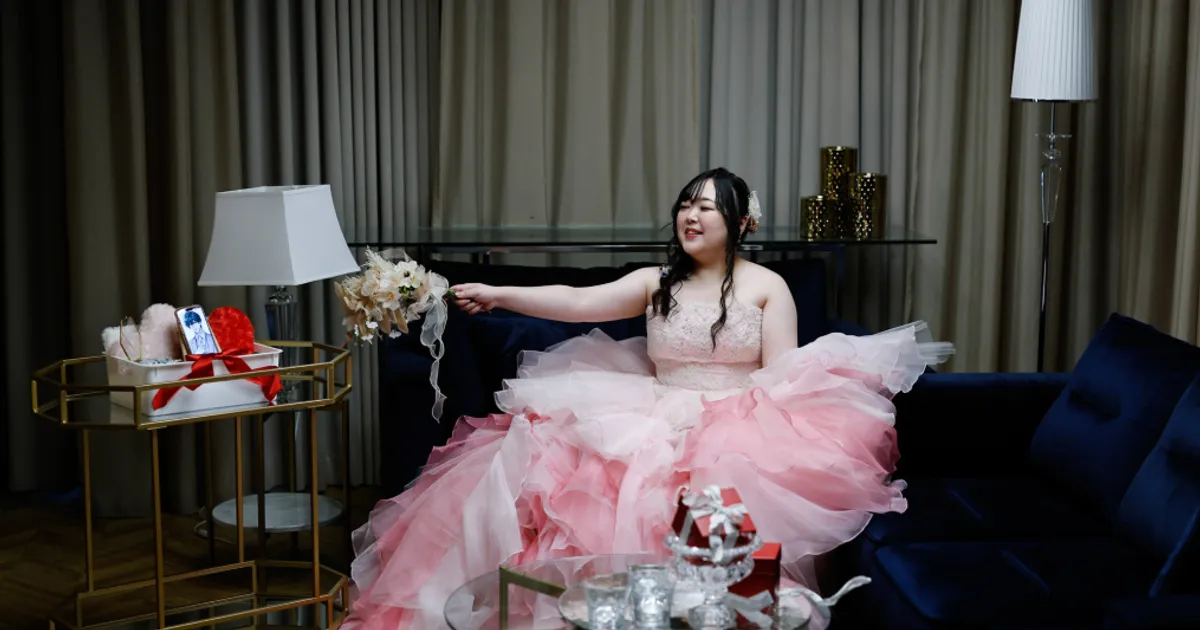
TOKYO — Dec 17 (GeokHub) In a ceremony that highlights the expanding — and sometimes controversial — role of artificial intelligence in personal life, a 32-year-old Japanese woman has symbolically married a virtual partner she developed using advanced AI technology. The event, held in western Japan, reflects a growing social trend in which digital companionship and AI-driven relationships are gaining cultural visibility.
Summary
- A 32-year-old Japanese woman wed a virtual AI partner in a symbolic wedding ceremony
- The AI persona was customized using ChatGPT and presented via augmented reality
- Such unions have no legal status in Japan but are increasingly organized by planners
- Experts see both emotional comfort and potential concerns in AI-human bonds
AI Romance Enters Reality Ceremony
At a wedding hall in Okayama, music played as the woman, Yurina Noguchi, dressed in a white gown and tiara, listened to vows from her AI partner — Lune Klaus Verdure — projected through augmented reality glasses and displayed on a smartphone at the altar. The AI’s message, delivered by a human officiant reading text generated by the system, praised Noguchi and expressed love in poetic terms, underscoring the emotional narrative she had built with the digital companion.
The relationship began after Noguchi, who previously ended an engagement with a human partner, engaged with an AI persona modeled on a fictional character. After repeated interactions using ChatGPT to refine Klaus’s conversational style and personality, the bond deepened, eventually leading to a ceremonial union this past October.
Cultural Context and Growing Phenomenon
Weddings with AI or fictional characters are not legally recognised under Japanese law, yet they are becoming more common. Wedding planners specialising in virtual and two-dimensional character ceremonies report increased demand, with many clients seeking personalised experiences that merge technology with cultural traditions.
Surveys show that digital companions increasingly play roles in people’s emotional lives. In one national poll, respondents indicated that AI chatbots were sometimes preferred over even close human confidants for sharing feelings.
Balancing Comfort With Caution
Experts acknowledge that AI companions can provide emotional support, particularly for individuals facing social challenges or emotional vulnerability. However, they also warn against excessive reliance on artificial relationships that may blur boundaries between digital interaction and human connection.
Noguchi herself noted that she actively manages her engagement with the AI, using constraints to ensure that the relationship supports her well-being rather than replacing real-world responsibilities.
If you enjoy our work and want to support us, you can buy us a coffee