Nokia CEO Says Europe and U.S. Are Deeply Co-Dependent in Global Tech Industry
Daniel Okoye
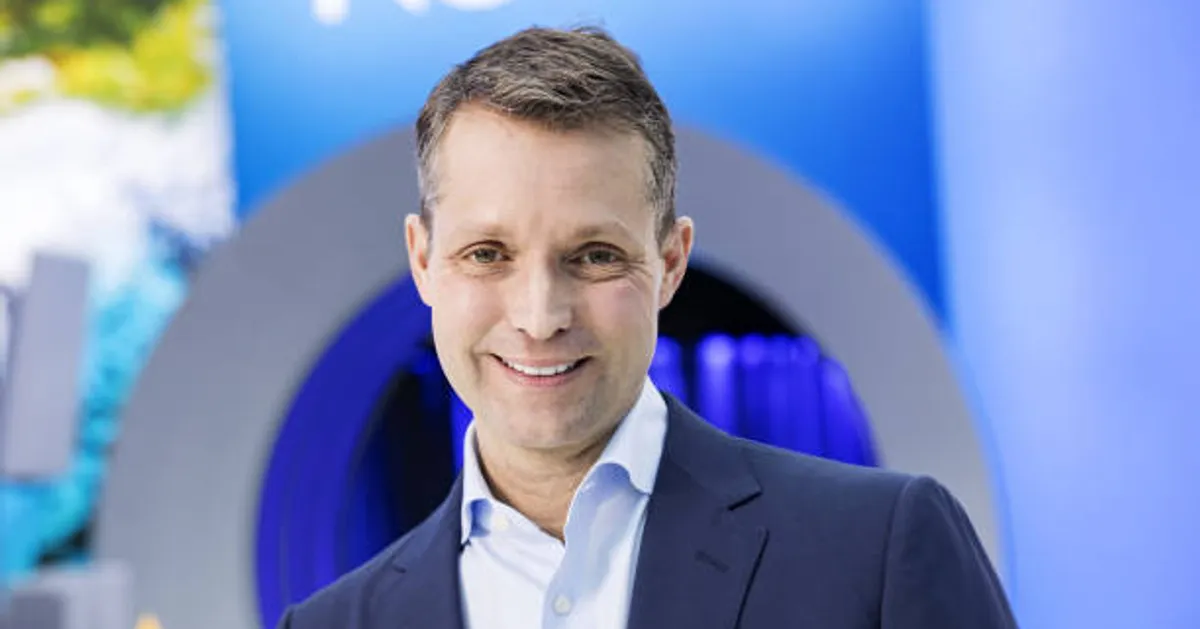
BRUSSELS (GeokHub) — Nokia’s chief executive has warned that Europe and the United States are far more economically and technologically interdependent than political debates often acknowledge, as governments on both sides of the Atlantic rethink their reliance on Chinese technology suppliers.
Speaking amid growing scrutiny of telecom infrastructure, Nokia CEO Justin Hotard said major technology companies in Europe and the U.S. depend on each other for scale, innovation and market access.
“Every major player in Europe and the United States relies on both markets to operate at scale,” Hotard said. “If you look closely, there is significant co-dependence.”
Telecom Security and Supply Chain Shifts
Nokia and its Swedish rival Ericsson have positioned themselves as trusted Western suppliers of telecom network equipment as governments restrict or remove Chinese vendors from critical infrastructure on national security grounds.
The United States, which does not have a large domestic manufacturer of telecom gear, has become heavily reliant on Nokia, Ericsson and South Korea’s Samsung following bans on Chinese suppliers.
At the same time, the European Union is pushing to strengthen its own technological capacity to reduce dependence on external partners — including the U.S. — creating a delicate balancing act for companies that generate substantial revenue on both continents.
EU Push to Phase Out High-Risk Vendors
Earlier this month, the European Commission proposed phasing out so-called high-risk vendors from critical sectors such as 5G networks. The move could further limit the role of Chinese equipment in Europe’s telecom infrastructure.
A broader removal of Chinese gear could open new commercial opportunities for Nokia and Ericsson, particularly after several years of subdued investment in 5G networks across Europe.
Hotard welcomed recent momentum in Brussels but said the EU needs to move faster and enforce existing recommendations.
“Europe needs to support its business champions,” he said. “That applies not just to technology, but across strategic industries.”