Syrian Prisons Empty After Assad Are Filling Again Under New Authorities, Investigation Shows

GeokHub
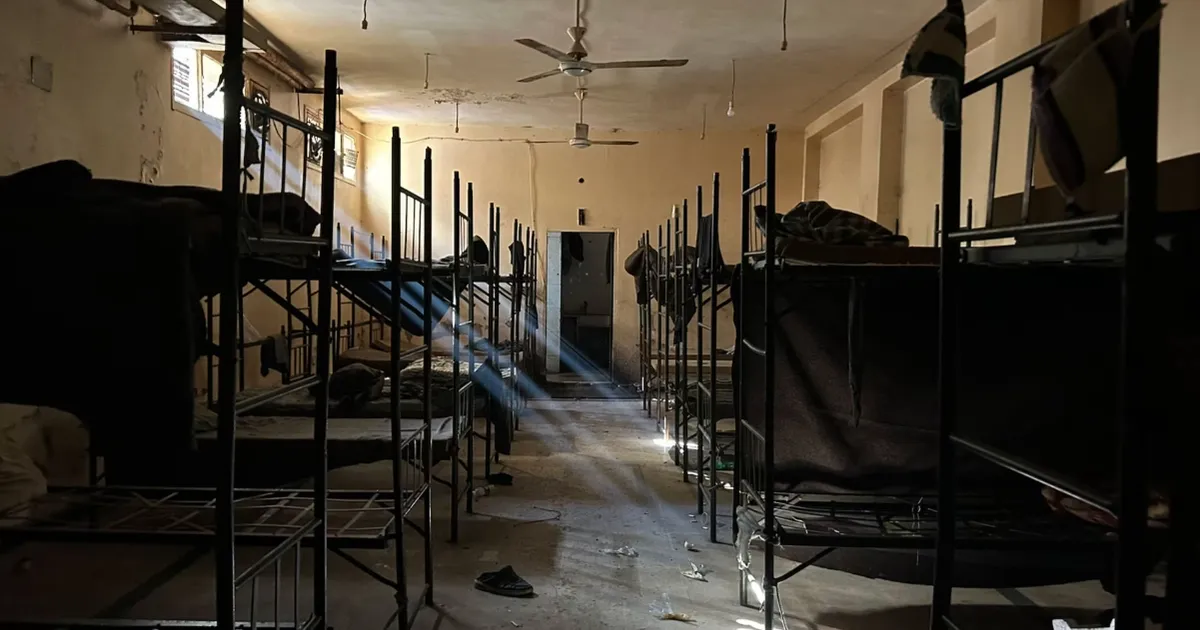
Dec 22 (GeokHub) Nearly a year after the fall of long-time Syrian leader Bashar al-Assad, many of the country’s detention facilities — once emptied in a wave of releases — are again crowded with detainees, and reports suggest widespread abuse and arbitrary arrests, a Reuters investigation has found.
The findings have raised alarm among human rights advocates, who warn that growing use of detention without fair process and reports of harsh treatment are undermining hopes for justice and democratic reform in post-Assad Syria.

Prisons Refill, Old Facilities Reopen
Immediately after Assad’s departure in late 2024, Syria’s new government under President Ahmed al-Sharaa freed tens of thousands of prisoners — including many held without trial — and pledged to reform the country’s notorious criminal justice system.

However, within months, many of the same detention centres that held detainees under the old regime began filling up again with people arrested by the new authorities on broad security grounds.
Reuters identified at least 829 people currently held without formal charges in facilities once symbolic of Assad-era repression, though rights groups and family accounts suggest the number may be significantly higher.
Abuse, Extortion and Harsh Conditions Reported
The investigation found that conditions in many lockups are extremely poor and that mistreatment — including beatings, overcrowding and extortion — is common.
Some detainees and relatives report being held for months without access to lawyers or family visits, and families say they have been pressured to pay large sums for the release of loved ones. At least 11 deaths in custody were documented, with some families only learning of their relatives’ deaths after burial.
While the scale of abuses does not yet match that under Assad’s rule, human rights advocates say the patterns risk perpetuating a culture of impunity.
Detentions Span Communities and Allegations
The investigation found detainees come from across Syria’s diverse communities, including former regime soldiers, Alawites, Druze, Sunnis, Christians and Shi’ites, reflecting a wide net of security detentions rather than narrowly targeted prosecution.
Many arrests are described as being made on vague “security” grounds, with little transparency and few formal charges laid.
New Government’s Position and Rights Concerns
The Syrian government characterises detentions as necessary for stability and justice, but rights groups argue that indefinite or arbitrary imprisonment erodes trust in the rule of law and threatens democratic transition.
Advocates are calling for clearer legal standards, independent oversight of detentions, and safeguards to prevent abuse.