Trump-Era Strains on Transatlantic Ties Dominate Munich Security Conference Agenda

GeokHub
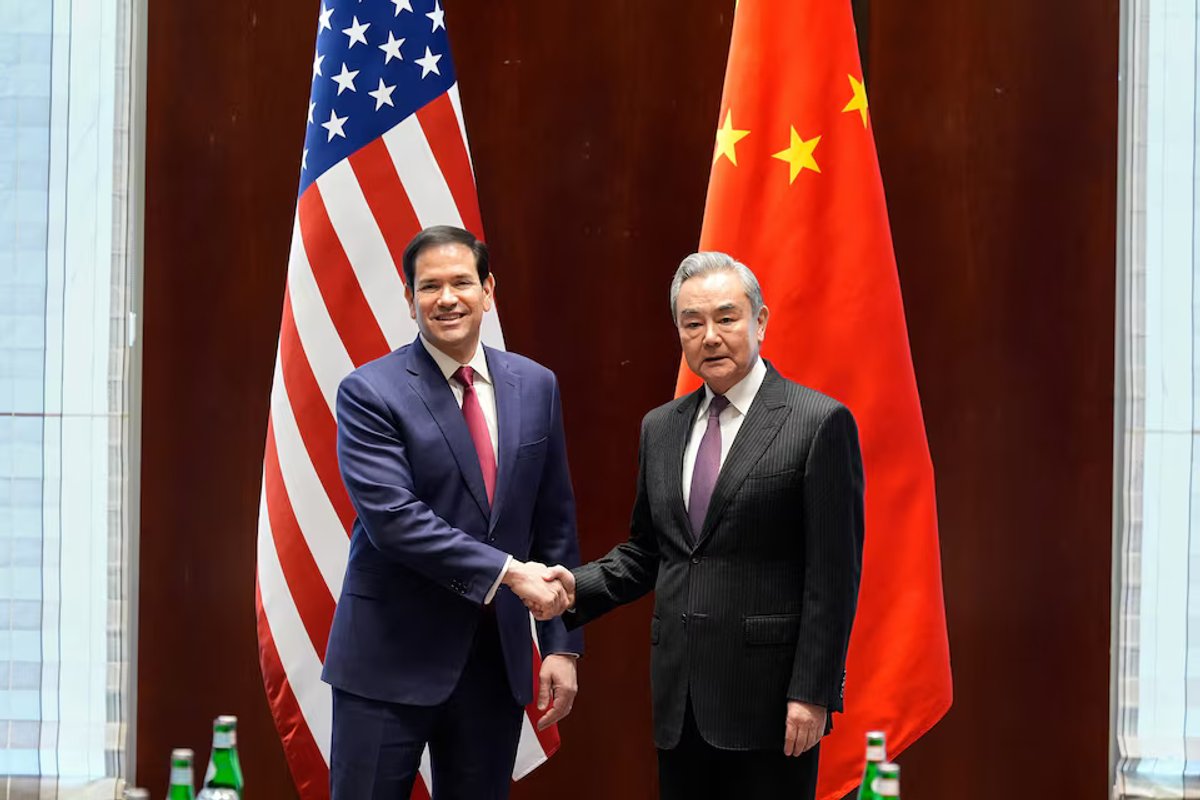
BERLIN/MUNICH, Feb 13 (GeokHub) — The future of transatlantic relations is taking center stage at the 2026 Munich Security Conference, as U.S. policy shifts under the Trump administration cast a long shadow over cooperation between Washington and its European allies.
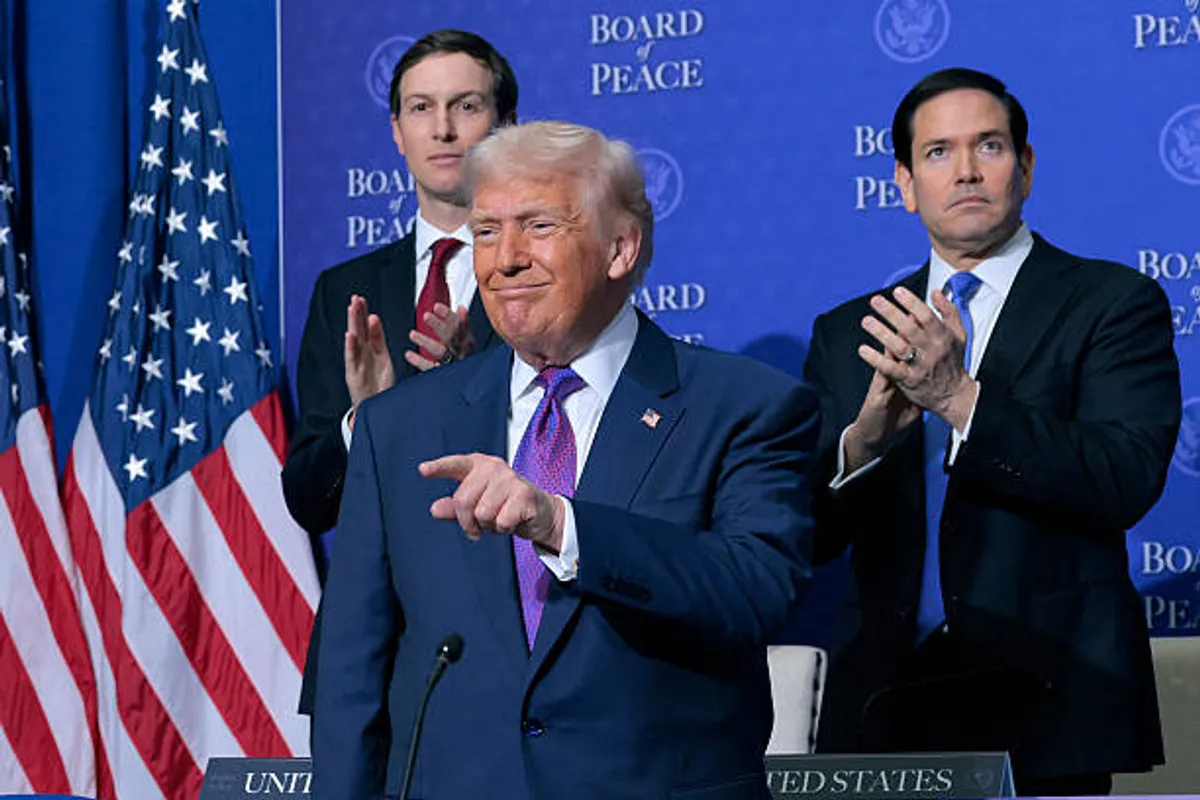
U.S. Secretary of State Marco Rubio described the current geopolitical landscape as a “defining moment” for transatlantic ties, acknowledging rapidly evolving global threats and the need to reassess the foundations of Western cooperation. His more conciliatory tone this year contrasts sharply with rhetoric heard at last year’s forum, when U.S. Vice President JD Vance sharply criticized European partners, significantly straining relations.
Rubio, set to lead a substantial American delegation in Munich, emphasized the enduring connection between the United States and Europe. “We’re deeply tied to Europe, and our futures have always been linked and will continue to be,” he said ahead of the three-day summit.
Alliance Under Pressure
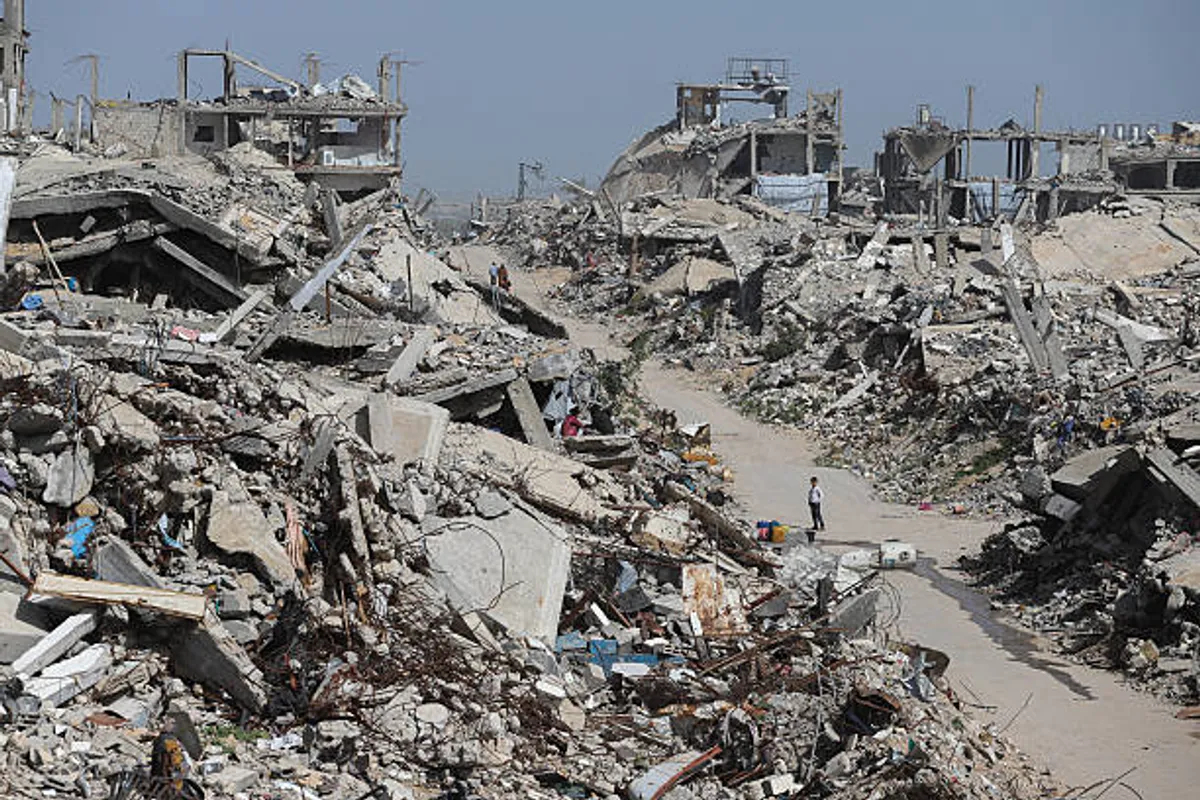
The 2026 conference is unfolding against a backdrop of multiple global conflicts — including wars in Ukraine, Gaza and Sudan — and growing questions in Europe about the reliability of U.S. security commitments. Transatlantic cooperation, once considered the bedrock of Western defense and geopolitical strategy, now faces serious tests.
A recent YouGov poll in major European nations found favorability toward the U.S. at its lowest since tracking began in 2016, reflecting broad unease among European citizens about American leadership and reliability. In some cases, perceptions of the U.S. threat level rival concerns about China, Iran or North Korea.
Wolfgang Ischinger, a veteran German diplomat and chair of the conference, warned this week that “wrecking-ball politics” — sweeping disruption rather than measured policy reform — has upended the international order.
Shifts in European Strategy
In response to tensions, several European leaders are exploring more independent defense and security strategies while seeking to preserve the transatlantic alliance. German Chancellor Friedrich Merz is expected to address such themes during his opening remarks, outlining how Europe might adapt to changing global dynamics without severing ties with Washington.
Ahead of the gathering, figures from Denmark and Greenland are also set to meet with Rubio, underscoring ongoing diplomatic engagement on defense and regional security matters.
Alliance Under Strain but Not Breaking
Despite the friction, there is broad consensus among many leaders that NATO and transatlantic cooperation remain essential for confronting security challenges. Conference organizers say this year’s event is one of the largest in history, with more than 70 world leaders and hundreds of foreign ministers attending.
As the Munich Security Conference progresses, participants are expected to navigate a delicate balance: addressing European concerns over U.S. policy shifts while reaffirming shared commitments to collective defense, global stability and security cooperation.