U.S. Expands AI and Maritime Tech Push at APEC Amid Intensifying China Rivalry

GeokHub
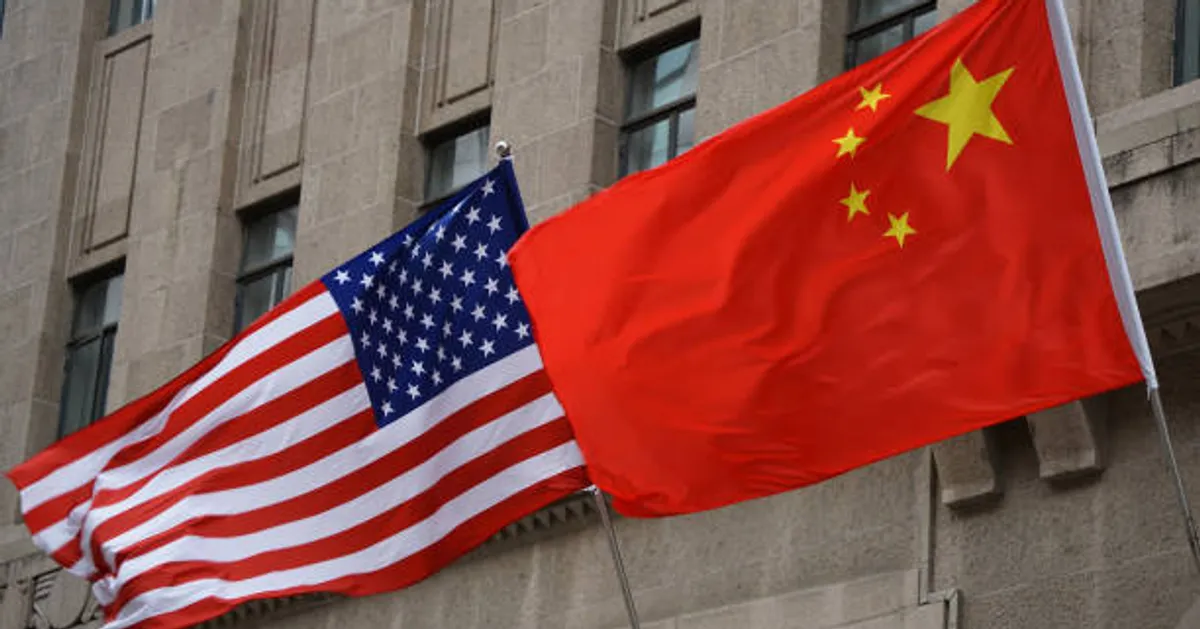
GUANGZHOU, Feb 12 (GeokHub) — The United States is accelerating efforts to promote artificial intelligence exports and advanced maritime monitoring technology across the Asia-Pacific, using this week’s Asia-Pacific Economic Cooperation (APEC) meetings in southern China as a key platform to reinforce its technological influence in the region.
Senior U.S. officials said Washington has introduced a $20 million initiative aimed at supporting partner economies in adopting American-developed AI systems. The funding program is part of a broader strategy designed to strengthen U.S. leadership in next-generation technologies as competition with China deepens.
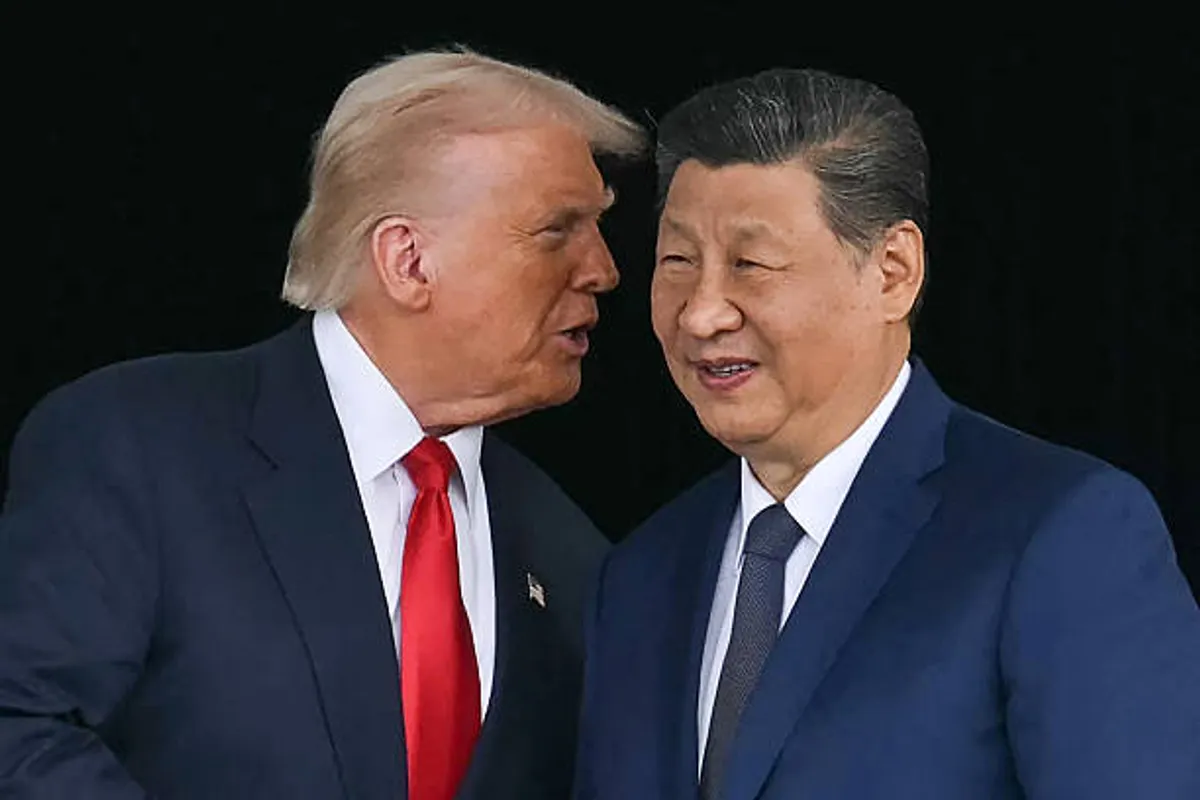
The diplomatic push comes ahead of a potential presidential visit to China in April and before the annual APEC leaders’ summit scheduled for November in Shenzhen. Both events are expected to highlight growing strategic rivalry between the world’s two largest economies, particularly in artificial intelligence, advanced manufacturing and digital governance.
AI Leadership and Governance Debate
U.S. officials argue that global adoption of American AI standards is critical to shaping international governance frameworks that promote transparency and open systems. Washington has previously emphasized that its AI models and regulatory principles should set the benchmark for global markets.
Meanwhile, China continues to invest heavily in artificial intelligence development, seeking to close the technological gap with the United States. However, restrictions on access to advanced semiconductor manufacturing tools have presented ongoing challenges to Beijing’s ambitions in high-end AI chip production.
Chinese authorities maintain that they support international cooperation on AI governance and have rejected Western criticism regarding the global impact of their technology exports.
Last year, the U.S. administration signed an executive directive aimed at expanding the international adoption of American AI technologies and standards — a move widely interpreted as part of a broader geopolitical technology strategy.
Maritime Surveillance and Fisheries Technology
Beyond artificial intelligence, Washington is also promoting private-sector maritime surveillance tools at APEC discussions, particularly technologies designed to combat illegal, unreported and unregulated fishing.
U.S. officials have pointed to concerns about large distant-water fishing fleets operating across the Pacific, arguing that enforcement challenges disproportionately affect smaller coastal nations. According to American officials, illegal fishing activities can undermine food security, threaten maritime sovereignty and contribute to transnational crimes such as trafficking and forced labor.
To address these concerns, U.S. companies are developing advanced monitoring systems that include satellite vessel tracking, AI-powered analytics, underwater acoustic detection networks and sensor-equipped ocean buoys capable of identifying suspicious fishing patterns in real time.
China’s distant-water fishing fleet, estimated to number in the millions of personnel, has been cited as a significant presence across Pacific waters. Chinese authorities have introduced revisions to national fisheries regulations, with updated laws expected to take effect in May. U.S. officials say they will be closely watching how those regulations are implemented.