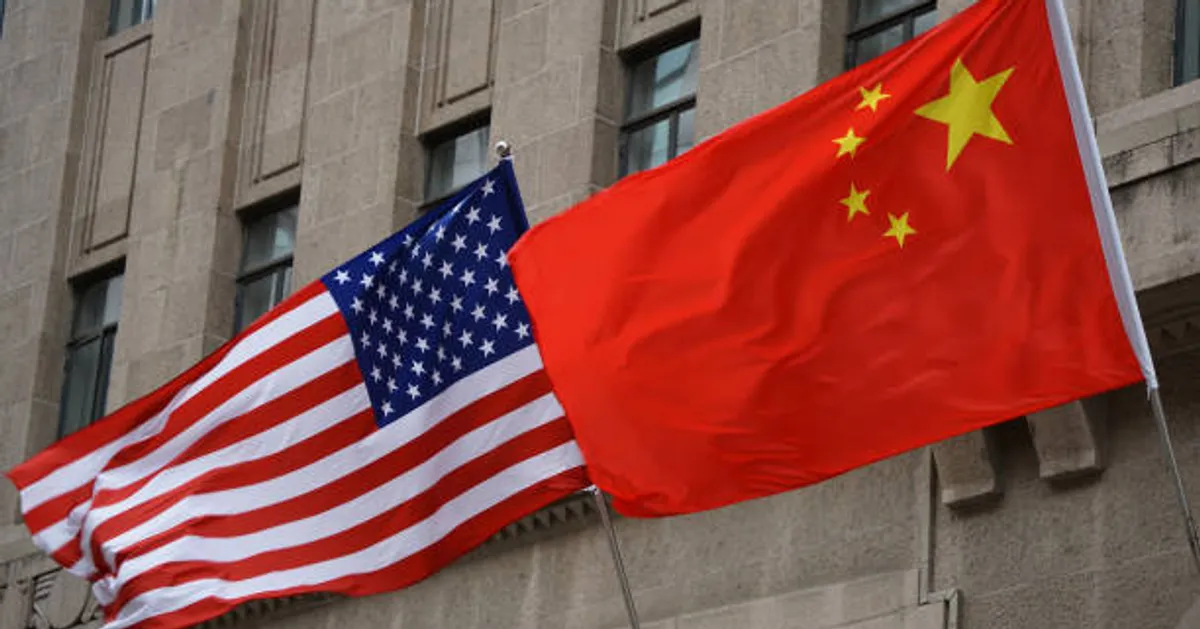
WASHINGTON, Feb 12 (GeokHub) — The United States has temporarily halted several major technology security measures targeting Chinese companies, signaling a strategic pause ahead of an anticipated presidential summit between Washington and Beijing in April.
According to officials familiar with the matter, the administration has put on hold proposals that would have restricted or banned certain Chinese telecommunications and technology operations in the U.S. market. The paused measures reportedly included potential action against Chinese-linked telecom providers operating in the United States, limits on the sale of Chinese-made equipment used in American data centers, and proposed restrictions affecting networking hardware and certain electric vehicle imports.
The decisions mark the latest development in a broader effort to stabilize relations following a trade truce reached late last year between the leaders of the two countries. That agreement included commitments aimed at easing economic pressure points, including delays on export restrictions involving rare-earth minerals — materials critical to global technology manufacturing and energy infrastructure.
Trade Stabilization vs. Security Concerns
Officials have described the pause as part of a strategy to prevent further escalation of tensions while diplomatic engagement continues. A spokesperson for the Commerce Department stated that the government remains committed to addressing national security risks associated with foreign technologies and retains the authority to act when necessary.
However, critics argue that suspending the measures could leave U.S. digital infrastructure exposed at a time when artificial intelligence development and data center construction are expanding rapidly. Industry forecasts indicate that U.S. data center capacity could grow by nearly 120% by 2030, driven largely by surging AI demand.
Some former national security officials warn that delaying restrictions may increase vulnerabilities in telecommunications networks, data infrastructure and emerging electric vehicle supply chains. They argue that foreign-linked technology embedded within critical systems could create long-term strategic risks.
Others see the move as a calculated diplomatic step. Trade policy analysts note that Beijing has consistently tied improved economic relations to a slowdown in new export controls and restrictive technology policies from Washington. With rare-earth mineral supply chains playing a pivotal role in electronics, renewable energy systems and defense technologies, the leverage remains significant.
Telecom and Router Debate
Among the measures reportedly paused were potential actions involving consumer networking equipment and telecom services. One major router manufacturer operating in the U.S. market has publicly emphasized its American corporate structure, U.S.-managed software systems and domestic data hosting, rejecting allegations that its products pose national security risks.
The company also stated that its software code has undergone independent security reviews and that it has cooperated fully with regulatory authorities.