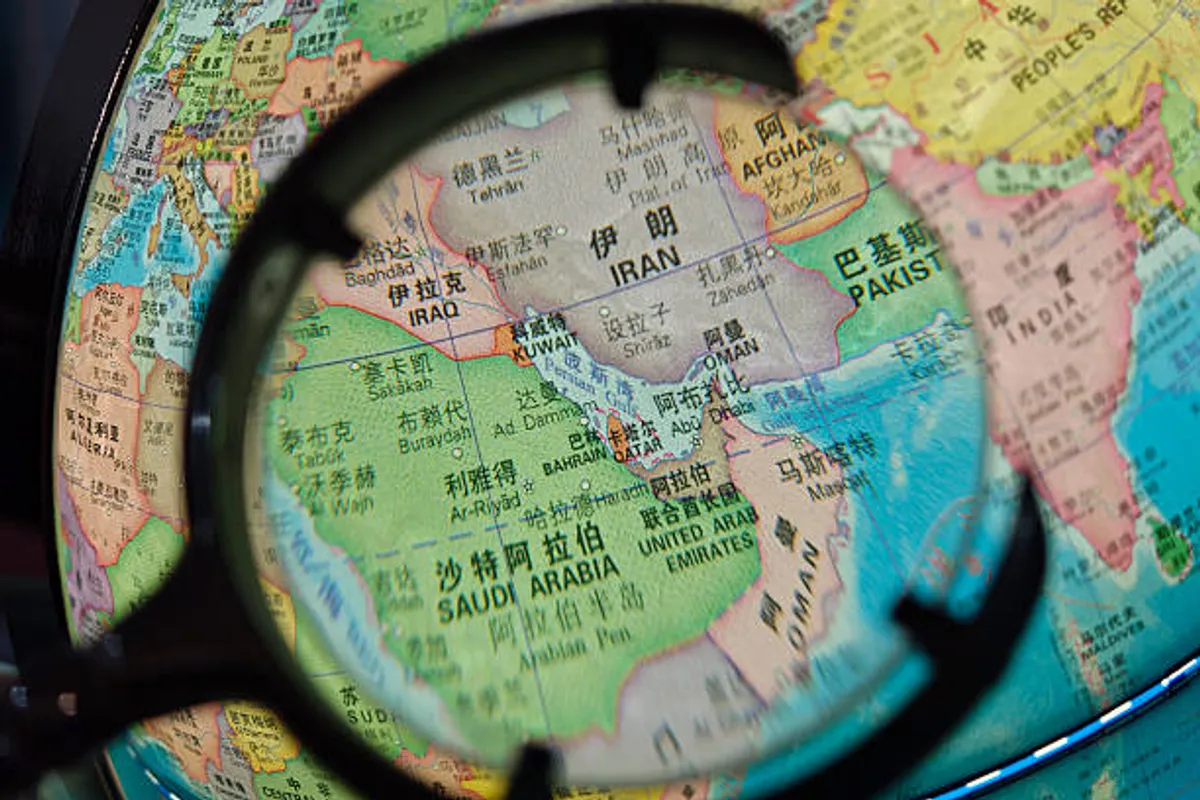
GENEVA, Feb. 26, 2026 — Iran pledged flexibility on Thursday as indirect negotiations with the United States resumed in Geneva, aiming to resolve a decades-long dispute over Tehran’s nuclear program. The talks come amid heightened tensions, with Washington deploying its largest Middle East military presence since the 2003 Iraq invasion.
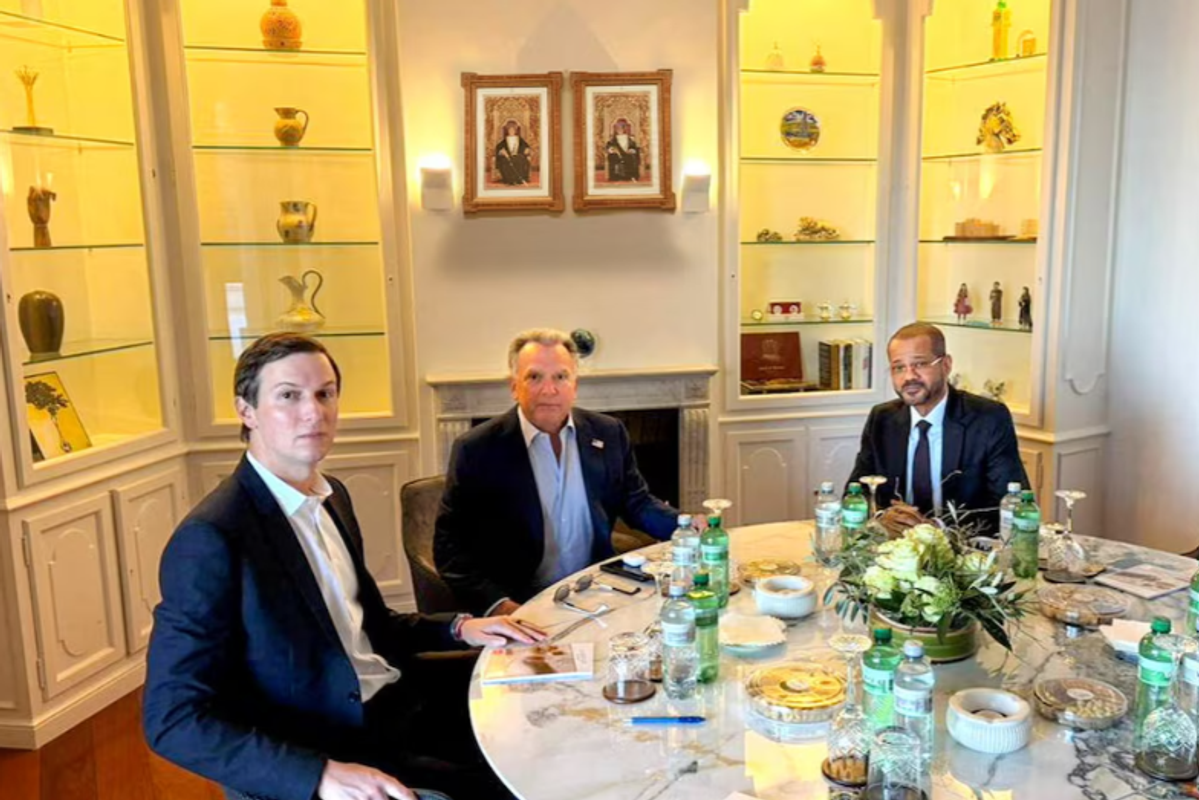
The third round of negotiations, mediated by Omani Foreign Minister Badr Albusaidi, focuses exclusively on Iran’s nuclear program and potential lifting of U.S. sanctions. Iranian Foreign Ministry spokesperson Esmaeil Baghaei said Tehran approaches the talks with “seriousness and flexibility,” emphasizing nuclear issues rather than its ballistic missile program.
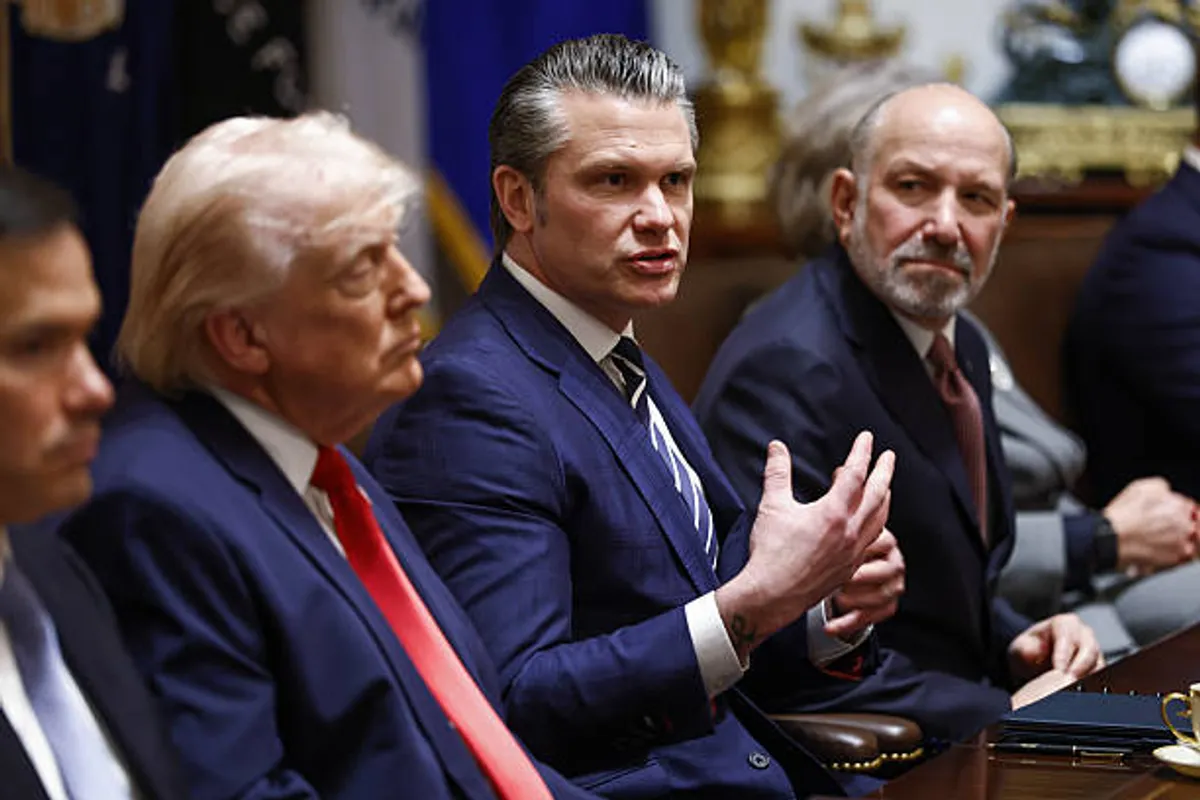
U.S. officials, however, including Secretary of State Marco Rubio, have stressed that Iran’s missile capabilities remain a concern, calling them a “major problem” designed to target the United States and destabilize the region.
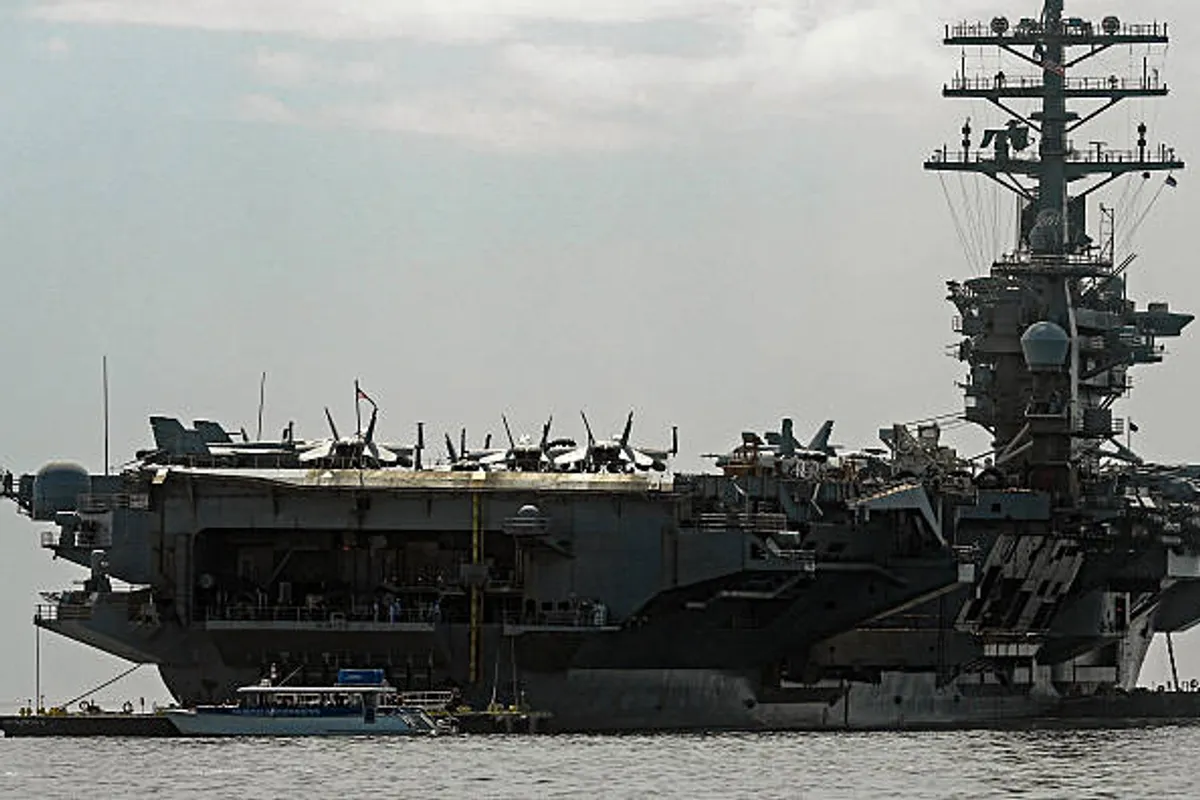
The talks follow a period of escalating military pressure. President Donald Trump has ordered the deployment of fighter jets, aircraft carrier strike groups, and other naval assets to the region, signaling readiness to act militarily if a diplomatic agreement is not reached. The USS Gerald R. Ford aircraft carrier left port near Crete on Thursday, heading toward northern Israel, accompanied by around a dozen F-22 fighter jets—the first time Washington has deployed combat aircraft to Israel for potential wartime operations.
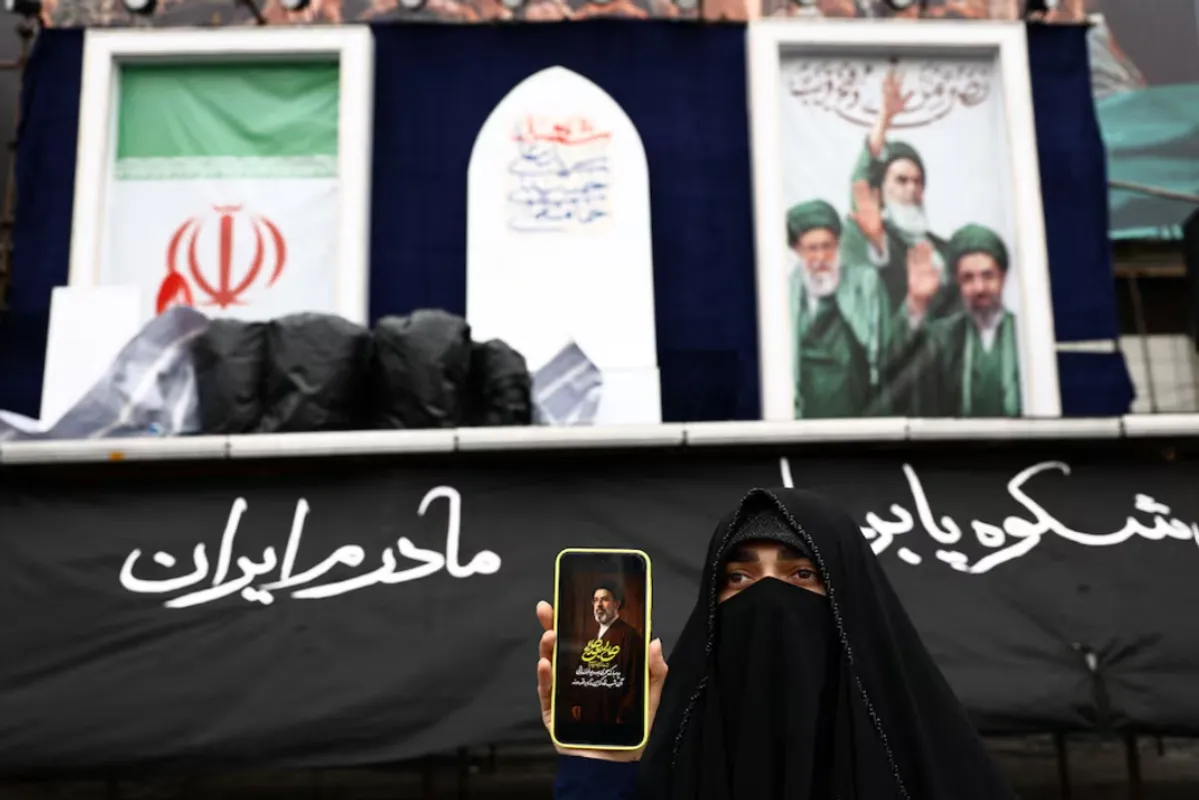
Iranian negotiator Abbas Araqchi reiterated that Tehran seeks a fair and swift deal without giving up its right to peaceful nuclear enrichment. Iranian President Masoud Pezeshkian emphasized that Supreme Leader Ayatollah Ali Khamenei has banned weapons of mass destruction, reaffirming a fatwa from the early 2000s prohibiting nuclear arms development.
Analysts say both sides face tight deadlines. Trump has warned Iran to reach a deal within 10 to 15 days, while oil markets remain cautious, with crude prices affected by concerns over potential disruptions. Saudi Arabia has reportedly increased production and exports as a contingency against a possible U.S. strike on Iran.
The outcome of the Geneva talks will test whether diplomacy can avert a wider regional conflict that could have far-reaching geopolitical and economic consequences.