NIIGATA, Japan — Dec 22 (GeokHub) Japan has taken a decisive step toward restarting the world’s largest nuclear power plant, marking a pivotal moment in the country’s gradual return to nuclear energy almost 15 years after the Fukushima disaster reshaped its energy policy.
Lawmakers in Niigata prefecture voted on Monday to back Governor Hideyo Hanazumi, who last month approved plans to resume operations at the Kashiwazaki-Kariwa nuclear complex, effectively removing the final political hurdle to a restart.
A Symbolic Shift in Energy Policy
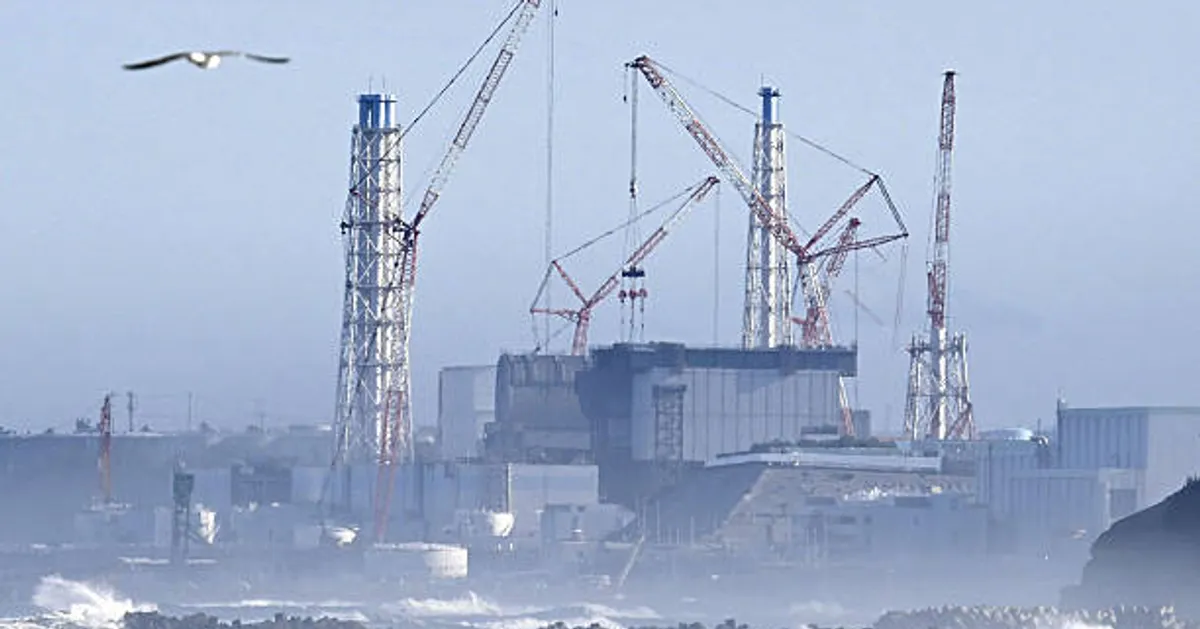
The Kashiwazaki-Kariwa plant, located about 220 kilometres northwest of Tokyo, was shut down along with Japan’s entire nuclear fleet following the 2011 earthquake and tsunami that triggered the Fukushima Daiichi disaster — the worst nuclear accident since Chernobyl.
Japan has since restarted 14 reactors, but Kashiwazaki-Kariwa would be the first to resume operations under Tokyo Electric Power Company (TEPCO), the same utility that operated Fukushima.
“This is a milestone, but not the end,” Governor Hanazumi told reporters after the vote, stressing that safety oversight would remain an ongoing priority.
Community Divided as Protests Continue
Despite the assembly’s approval, opposition remains strong among local residents. Around 300 protesters gathered outside the assembly building, holding banners opposing the restart and warning against repeating Fukushima’s mistakes.
“This decision does not reflect the will of the people,” one assembly member said during the debate, as critics argued economic incentives should not outweigh safety concerns.
A prefectural survey published in October found that 60% of residents believed conditions for restarting the plant had not yet been met, while nearly 70% expressed concerns about TEPCO’s ability to safely operate the facility.
Economic and Power Supply Implications
With a total capacity of 8.2 gigawatts, Kashiwazaki-Kariwa could supply electricity to millions of households. TEPCO is considering reactivating the first of its seven reactors as early as January 20, according to public broadcaster NHK.
Japan’s trade ministry estimates that restarting a single unit could increase electricity supply to the Tokyo region by about 2%, helping offset high fuel import costs and support growing demand from data centres and artificial intelligence infrastructure.
TEPCO has pledged to invest 100 billion yen ($641 million) into Niigata over the next decade as part of efforts to win public support.
Balancing Energy Security and Public Trust
Prime Minister Sanae Takaichi has backed nuclear restarts as a way to strengthen energy security and reduce reliance on imported fossil fuels, which still account for roughly two-thirds of Japan’s power generation.
Japan spent more than 10 trillion yen last year importing liquefied natural gas and coal, and authorities expect electricity demand to rise despite the country’s shrinking population.
Under its current energy strategy, Japan aims to double nuclear power’s share of the electricity mix to 20% by 2040 to meet climate targets and ensure stable supply.
Lingering Trauma From Fukushima
For many residents, however, the memories of 2011 remain raw. Thousands were displaced by the Fukushima disaster, and some still struggle with long-term psychological and economic impacts.
“As a victim of the Fukushima nuclear accident, I wish no one anywhere ever experiences such suffering again,” said Ayako Oga, a farmer and anti-nuclear activist who fled Fukushima and joined Monday’s protest.
Even Governor Hanazumi has acknowledged public anxiety, saying he ultimately hopes Japan can transition to energy sources that do not provoke fear among residents.
If you enjoy our work and want to support us, you can buy us a coffee