WASHINGTON, Feb 13 (GeokHub) — The U.S. military is preparing for the possibility of sustained operations against Iran that could last several weeks if President Donald Trump orders an attack, according to two U.S. officials familiar with the planning. The development marks a significant escalation in potential conflict between the two nations.
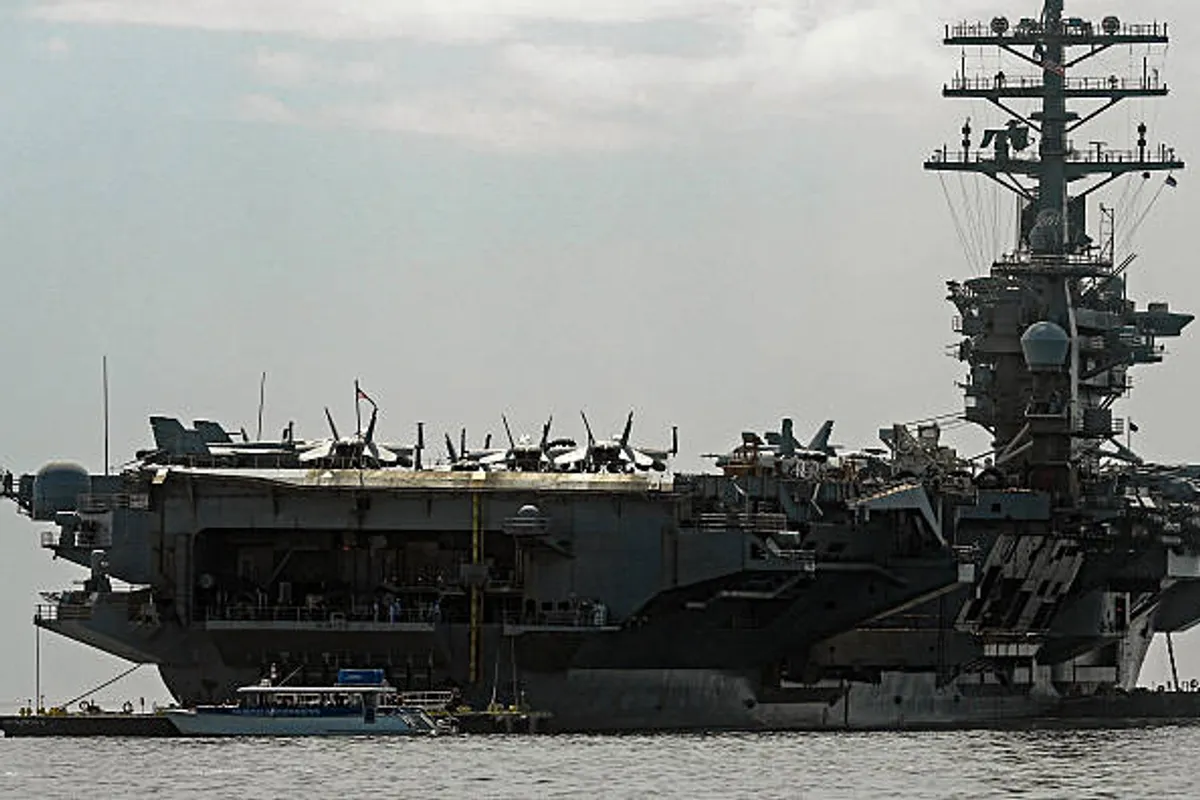
U.S. and Iranian diplomats met last week in Oman to pursue renewed negotiations over Tehran’s nuclear program. Meanwhile, the Pentagon has increased its regional presence, dispatching an additional aircraft carrier, thousands of troops, fighter jets, guided-missile destroyers, and other assets capable of both offensive operations and defensive measures.
Speaking at a U.S. military base in North Carolina, Trump said that diplomacy with Iran “has been difficult to make,” and added, “Sometimes you have to have fear. That’s the only thing that really will get the situation taken care of.”
White House spokesperson Anna Kelly emphasized that “President Trump has all options on the table with regard to Iran,” noting that he considers multiple perspectives before making decisions on national security. The Pentagon declined to comment.
Escalation Beyond Previous Strikes
The planning differs from last year’s limited “Midnight Hammer” operation, in which U.S. stealth bombers conducted a one-off strike on Iranian nuclear facilities. Officials said a sustained campaign could target a broader array of Iranian state and security infrastructure, not solely nuclear sites.
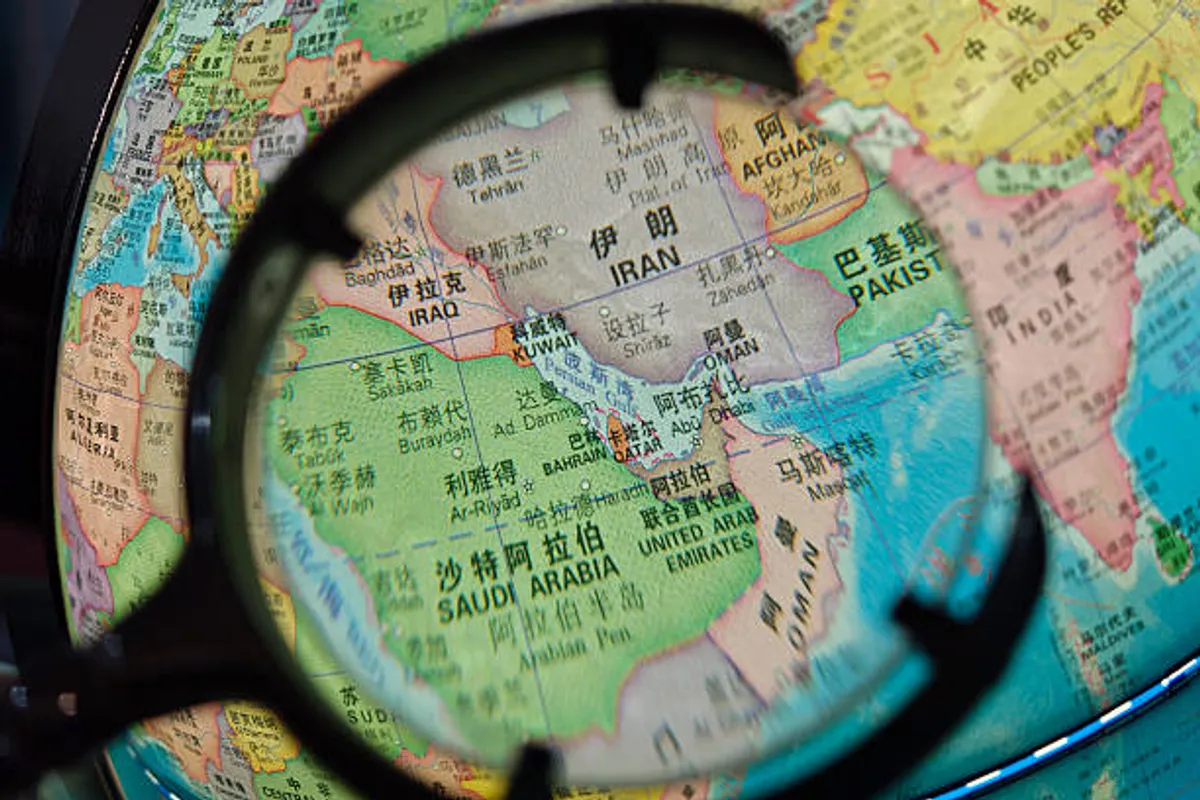
Analysts warn that such operations carry significantly higher risk for U.S. forces due to Iran’s extensive missile arsenal. Retaliatory strikes could trigger a cycle of counterattacks, potentially widening into a broader regional conflict. Iran’s Revolutionary Guards have warned that any U.S. strikes could prompt retaliation against American bases throughout the Middle East, including in Jordan, Kuwait, Saudi Arabia, Qatar, Bahrain, the UAE, and Turkey.
Israeli Prime Minister Benjamin Netanyahu met with Trump in Washington, emphasizing that any nuclear agreement with Iran must protect Israel’s security interests. Iran has expressed willingness to discuss limitations on its nuclear program in exchange for sanctions relief but has refused to tie negotiations to its missile program.
The situation remains fluid, with diplomatic efforts continuing even as U.S. military forces prepare for potential escalations that could extend over weeks.