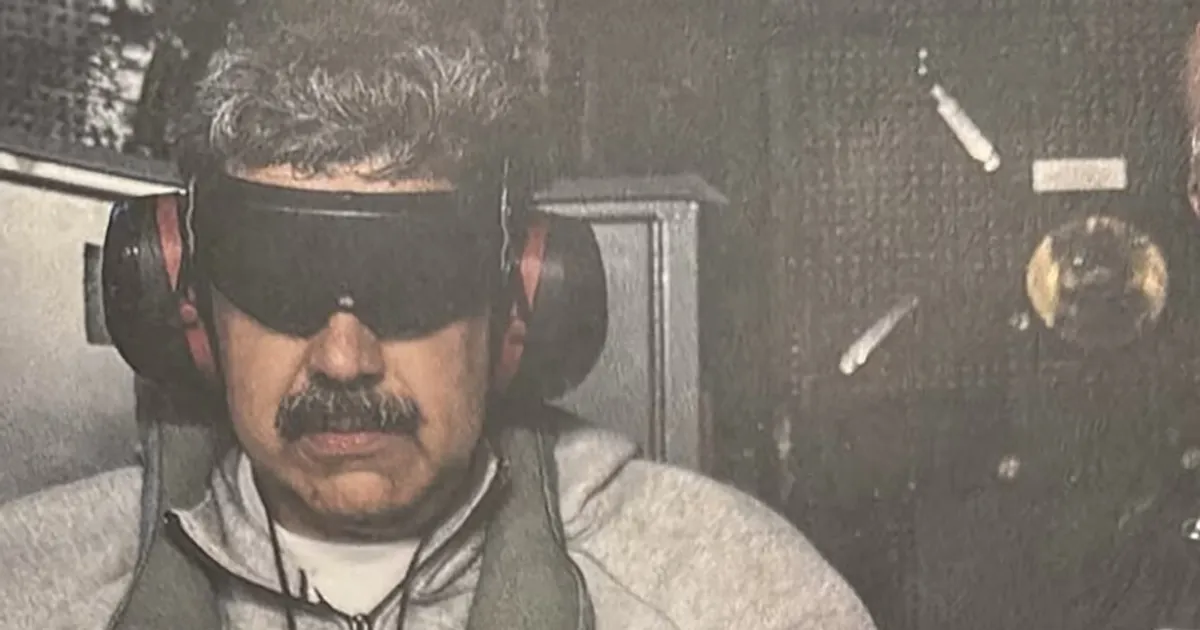
U.S. special forces carried out training exercises on a mock residence as part of preparations for a potential operation to capture Venezuelan President Nicolás Maduro, according to people familiar with the matter.
The drills, organised with support from the U.S. Central Intelligence Agency, involved setting up a full-scale replica of a target building. The training was designed to rehearse tactics that would be used if Washington pursued a high-risk mission to seize Maduro, who has faced wide criticism and sanctions from the United States over allegations of corruption, human rights abuses, and links to narcotics trafficking.
Participants practised breaching procedures, hostage extraction scenarios and rapid movement through confined spaces, with comparisons made to urban special operations missions conducted by U.S. forces abroad. The exercises reflected the complexity of planning for an extraction in a heavily defended urban setting.
The operation concept has been under discussion in some U.S. defence and intelligence circles, though officials have repeatedly stressed that no final decisions have been made and that such missions would carry significant political and military risk.
A senior official described the mock environment as part of a broader evaluation of options in dealing with the Maduro government, which faces growing internal instability and international isolation. Training focused on minimising civilian harm and managing contingencies that could arise during a raid.
U.S. military and intelligence representatives declined to comment on specific details of the exercises, underscoring that operational planning is evolving and that contingency preparations are standard practice for special operations forces.
The discussions around the possible capture operation occur against the backdrop of heightened tensions between the United States and Venezuela, with the White House maintaining pressure through sanctions and diplomatic channels while also engaging with regional partners on shared security concerns.