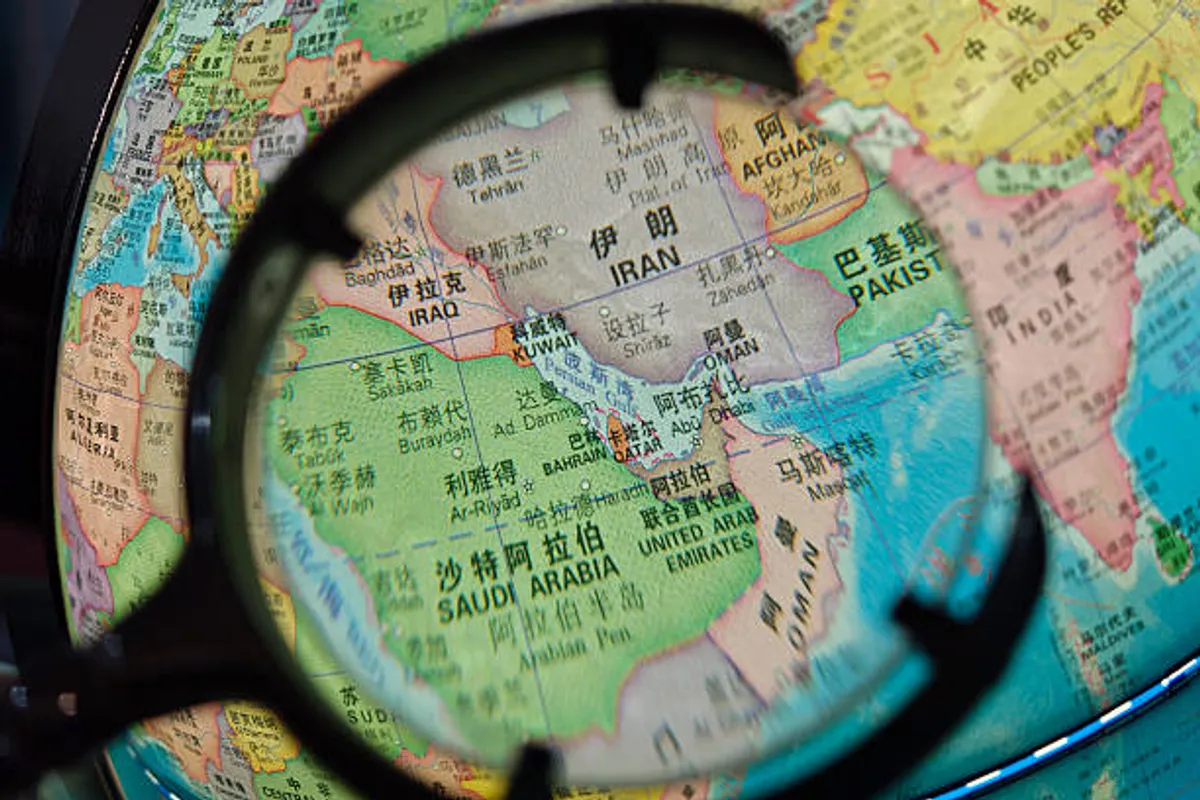
DUBAI, Dec 30 (GeokHub) — The withdrawal of Emirati forces from Yemen following a Saudi-led airstrike may help avert a direct confrontation between the United Arab Emirates and Saudi Arabia, but the incident has laid bare deep-seated distrust between the two Gulf allies amid long-running political and strategic differences.
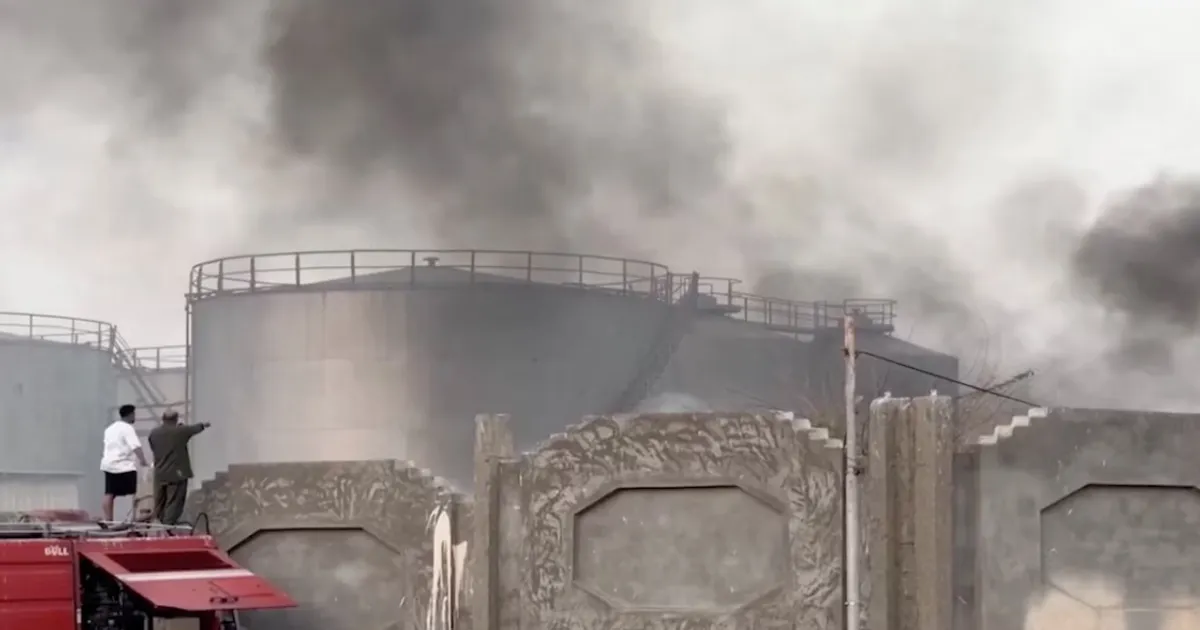
The Saudi-led coalition struck the southern Yemeni port city of Mukalla early on Tuesday, prompting calls for all UAE forces to leave Yemen and a statement from Riyadh declaring its national security a “red line.”
The UAE said it was surprised by the strike and shortly afterwards announced it was withdrawing its remaining troops from Yemen for their safety.
The crisis follows a rapid advance earlier this month by UAE-backed southern separatists, an escalation that has exposed years of underlying tension between the two oil-producing powers over issues ranging from oil policy to regional influence.
A Gulf source familiar with Saudi thinking said the escalation stemmed from a misperception linked to talks held in Washington in November between Saudi Crown Prince Mohammed bin Salman and U.S. President Donald Trump, during which the war in Sudan was discussed.
High-level contacts, including phone calls between Saudi and Emirati officials, have taken place since early December, though they have yet to ease tensions on the ground, the source said.
Any further deterioration in relations between Saudi Arabia and the UAE would raise concerns across the Gulf, which has long sought to present itself as a pillar of stability in a volatile Middle East. Disagreements between the two countries could also complicate consensus within the OPEC+ oil alliance, which is preparing for a virtual meeting on Sunday.
“Relations between the two states are never easy, but the friction does appear to be at its most intense for years,” said Neil Quilliam, an associate fellow at Chatham House.
December advance
The latest tensions were triggered by a sudden advance in early December by the UAE-backed Southern Transitional Council (STC), which now controls large areas of southern Yemen, including parts of the strategically important Hadramout province.
The STC had previously fought alongside Saudi-backed, internationally recognised Yemeni government forces against the Iran-aligned Houthi movement, which controls Yemen’s capital Sanaa and much of the country’s northwest.
Its territorial gains brought the separatists close to Yemen’s border with Saudi Arabia, in a region with cultural and historical significance for many Saudis, and placed Riyadh and Abu Dhabi on opposing sides of Yemen’s long-running civil conflict.
Saudi Arabia and the UAE have both said they are in talks with Yemeni factions to stabilise the situation, but the coalition has carried out airstrikes in Hadramout twice in recent days.
The STC has rejected Saudi calls to withdraw from seized areas, saying it will continue securing Hadramout and the eastern province of Mahra.
In a statement following the Mukalla strike, the UAE said it had sought to de-escalate tensions since the STC’s advance and denied backing any actions that would undermine Saudi security or target its borders.
Divergence on Sudan
Analysts say the dispute reflects broader competition between the two countries across the region.
“Both countries like to play down friction in the relationship and argue that competition among states is normal,” Quilliam said. “But the intensity of the competition has sharpened over the past year and is playing out in multiple theatres.”
One such arena is Sudan, which has been engulfed in civil war since April 2023. Saudi Arabia, the UAE, Egypt and the United States have led diplomatic efforts through the so-called Quad group, but the conflict has persisted.
Sudan is a sensitive issue for the UAE. U.N. experts and some U.S. lawmakers have accused Abu Dhabi of backing Sudan’s Rapid Support Forces, an allegation the UAE denies.
According to the Gulf source, Emirati leaders were angered by what they believed was misinformation surrounding the November meeting in Washington, where they thought the Saudi Crown Prince had sought not only additional sanctions on the RSF but also measures targeting the UAE itself.
The UAE foreign ministry declined to comment on that account, referring Reuters to an earlier statement welcoming Saudi Arabia’s efforts to support stability in Yemen and reaffirming Abu Dhabi’s commitment to the country’s security.
Anwar Gargash, diplomatic adviser to the UAE president, said in a post on X on Saturday that dialogue and political solutions were essential at what he described as a critical stage, without explicitly referencing Yemen or Saudi Arabia.
The White House did not immediately respond to a request for comment.
Despite the flare-up, analysts and regional officials say a broader rupture remains unlikely.
“We do have differences over Yemen, and the current escalation has raised tensions,” said Abdulkhaleq Abdullah, an Emirati academic. “But allies clash — and they usually mend their differences and build on what they share.”