In a digital world where cyberattacks, fraud, and security breaches happen in seconds, speed is everything. Human analysts are skilled, but they are limited by time, attention, and fatigue. Artificial intelligence, on the other hand, can process massive volumes of data instantly — and that is why AI now detects threats faster than humans ever could.
From cybersecurity and finance to national security and healthcare, AI-driven threat detection is reshaping how organizations protect themselves.
Why Human Threat Detection Has Limits
Even the most experienced security professionals face constraints:
- Humans can only monitor limited data at a time
- Pattern recognition slows with data volume
- Fatigue and cognitive bias affect judgment
- Manual investigation takes time
Modern threats are automated, fast-moving, and constantly evolving. Defending against them with human-only methods is no longer enough.
How AI Detects Threats Faster
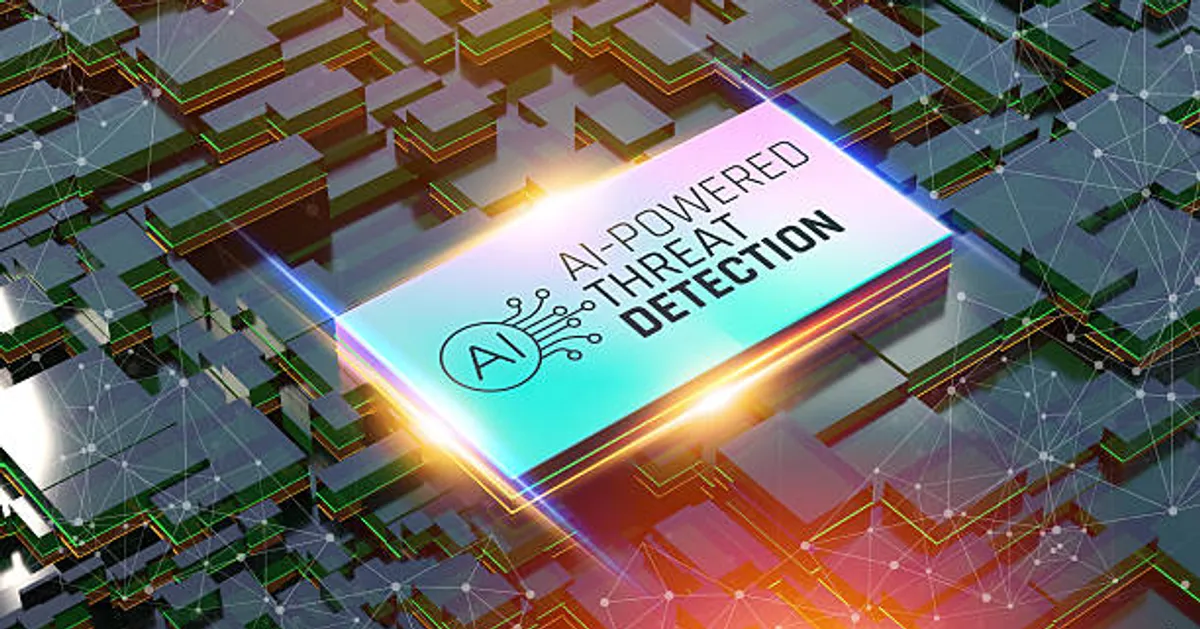
AI systems use advanced technologies such as machine learning, behavioral analysis, and real-time data processing to identify risks almost instantly.
1. Real-Time Data Processing at Scale
AI can analyze:
- Millions of network events per second
- User activity logs
- Financial transactions
- System behavior across entire infrastructures
While a human analyst may review logs after an incident, AI monitors systems continuously and in real time, flagging suspicious activity the moment it appears.
2. Pattern Recognition Beyond Human Capability
AI excels at recognizing subtle patterns that humans often miss.
Examples include:
- Unusual login behavior
- Small anomalies in network traffic
- Repeated micro-transactions linked to fraud
- Gradual system changes indicating malware
Machine learning models are trained on massive datasets, allowing them to spot deviations that don’t match normal behavior — even when those deviations are extremely small.
3. Behavioral Analysis Instead of Static Rules
Traditional security tools rely on predefined rules. AI goes further by learning behavior.
AI systems ask questions like:
- “Is this user acting differently than usual?”
- “Does this device normally access this data?”
- “Is this action consistent with historical patterns?”
This approach allows AI to detect zero-day attacks and new threats that have never been seen before.
4. Continuous Learning and Adaptation
Humans learn through experience over time. AI learns continuously.
Modern AI models:
- Update themselves as new threats appear
- Improve accuracy with more data
- Reduce false positives over time
This means AI becomes faster and smarter the longer it operates — something humans cannot match at scale.
5. Automated Threat Response
Detection speed matters, but response speed matters even more.
AI systems can:
- Isolate compromised systems instantly
- Block suspicious IP addresses
- Freeze fraudulent transactions
- Alert human teams with detailed context
Instead of waiting minutes or hours for human approval, AI can take immediate action, preventing damage before it spreads.
Real-World Examples of AI Threat Detection
Cybersecurity
AI detects malware, ransomware, phishing attempts, and insider threats faster than traditional security teams.
Finance
Banks use AI to flag fraudulent transactions in milliseconds, often before customers notice anything wrong.
Healthcare
AI monitors systems for data breaches and unusual access to patient records, protecting sensitive information.
National Security
Governments use AI to analyze surveillance data, detect cyber espionage, and identify coordinated attacks.
Does AI Replace Human Security Experts?
No — and it shouldn’t.
AI is best used as a force multiplier, not a replacement.
Best Model: Human + AI
- AI handles speed, scale, and detection
- Humans handle judgment, ethics, and strategy
- Together, they create stronger defense systems
Human oversight remains critical for decision-making, compliance, and accountability.
Challenges and Risks of AI Threat Detection
While powerful, AI is not perfect.
Common challenges include:
- False positives
- Data quality issues
- Model bias
- Adversarial attacks against AI systems
That’s why responsible deployment, transparency, and regular auditing are essential.
Why AI-Driven Threat Detection Is the Future
In 2026, threats move faster than ever — and attackers increasingly use AI themselves. Defending against AI-powered attacks requires AI-powered defense.
Organizations that rely solely on manual monitoring will fall behind. Those that adopt AI gain speed, accuracy, and resilience.
Final Thoughts
AI detects threats faster than humans because it never sleeps, never gets tired, and can analyze more data than any person or team ever could. When combined with skilled human oversight, AI becomes one of the most powerful tools for security in the modern world.
In the race between attackers and defenders, speed is survival — and AI wins on speed.