As demand for versatile software engineers continues to rise, full-stack development remains one of the most valuable and future-proof career paths in tech. In 2026, companies are no longer just looking for coders—they want developers who understand the full lifecycle of applications, from user interface design to backend architecture and deployment.
With evolving technologies such as AI-assisted coding, cloud-native infrastructure, and modern JavaScript frameworks, the roadmap to becoming a full-stack developer has expanded. However, a structured path can help beginners and intermediate developers stay focused and job-ready.
What is a Full-Stack Developer?
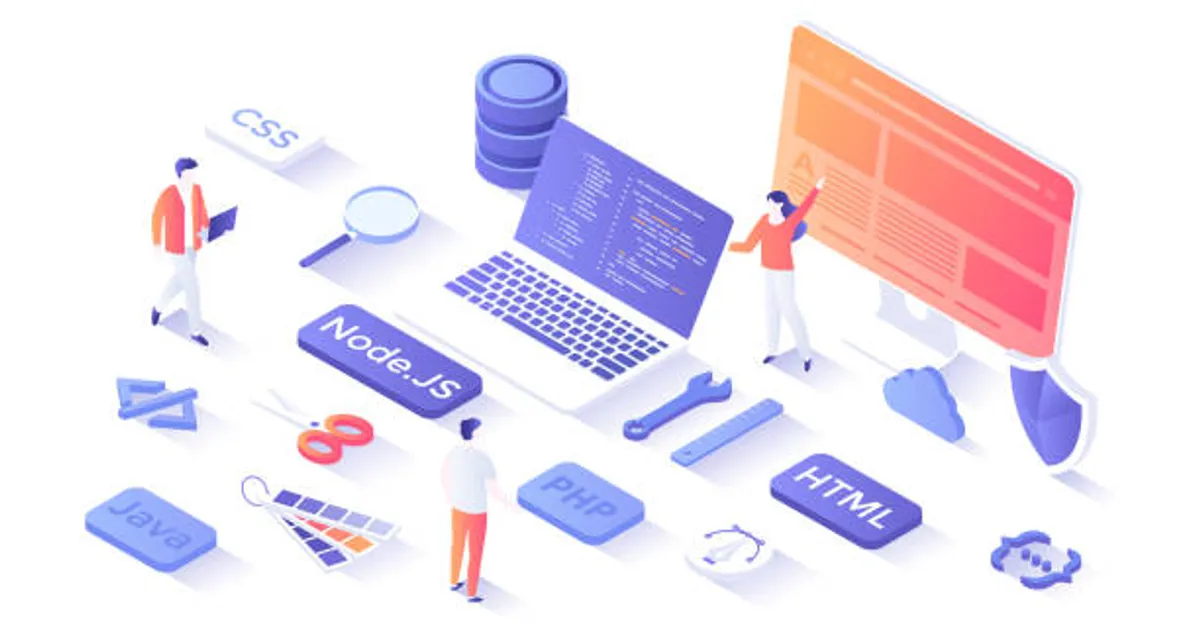
A full-stack developer is a professional who can work on both the frontend (client-side) and backend (server-side) of web applications. This includes:
- Designing user interfaces
- Building APIs and databases
- Managing servers and deployment
- Ensuring performance, security, and scalability
In today’s environment, full-stack developers are expected to understand not just coding, but also user experience, system design, and cloud infrastructure.
Step-by-Step Full-Stack Roadmap (2026)
1. Master the Fundamentals (The Foundation)
Before diving into frameworks, understanding core web technologies is critical:
- HTML5 – Structure of web pages
- CSS3 – Styling, layouts, responsive design
- JavaScript (ES6+) – Logic, interactivity, DOM manipulation
Focus on building small projects like landing pages or simple web apps to solidify your understanding.
2. Learn Frontend Development (User Experience)
Frontend development is about what users see and interact with.
Key technologies to learn:
- React.js (most in-demand framework)
- Next.js (for SEO-friendly and fast applications)
- Tailwind CSS (modern styling approach)
Additional skills:
- Responsive design
- Accessibility (important for real-world apps)
- Performance optimization
3. Backend Development (Server & Logic)
The backend powers your application behind the scenes.
Core areas:
- Node.js (JavaScript runtime)
- Express.js (API development)
- RESTful APIs & GraphQL
- Authentication systems (JWT, OAuth)
Understanding how data flows between frontend and backend is essential for building scalable systems.
4. Databases (Data Management)
Every application needs to store and manage data.
Learn:
- MongoDB (NoSQL, flexible and scalable)
- PostgreSQL (SQL, structured data)
Key concepts:
- Database design
- CRUD operations
- Indexing and performance
5. Version Control & Collaboration
Modern development is team-based.
- Git & GitHub
- Branching strategies
- Pull requests and code reviews
These skills are crucial for working in real-world development environments.
6. DevOps & Deployment (2026 Must-Have)
Deploying applications is now part of a developer’s role.
Key tools:
- Docker (containerization)
- Vercel / Netlify (frontend deployment)
- AWS / Google Cloud (cloud infrastructure)
Understanding CI/CD pipelines gives you a major advantage in the job market.
7. AI-Assisted Development (New in 2026)
AI is reshaping how developers work.
Developers now use tools like:
- AI code assistants
- Automated debugging tools
- Code generation platforms
Rather than replacing developers, AI is increasing productivity and allowing engineers to focus on complex problem-solving.
8. Build Real-World Projects (Most Important Step)
Employers value projects more than certificates.
Build:
- Full-stack blog platform
- E-commerce website with payment integration
- SaaS dashboard with authentication
- API-based applications
Ensure your projects include:
- Frontend + backend integration
- Database usage
- Deployment (live URL)
Key Skills That Set You Apart in 2026
To stand out, developers should focus on:
- System design fundamentals
- API architecture
- Performance optimization
- Security best practices
- Problem-solving and debugging
Soft skills like communication and teamwork are also increasingly important.
Common Mistakes to Avoid
- Learning too many frameworks at once
- Skipping fundamentals
- Not building real projects
- Ignoring deployment and DevOps
- Relying too heavily on AI without understanding code
Consistency and depth matter more than speed.
Career Opportunities
Full-stack developers can work as:
- Web developers
- Software engineers
- Freelancers or remote developers
- Startup founders
- Technical consultants
With experience, many transition into roles like tech lead, architect, or engineering manager.
Final Thoughts
The full-stack developer path in 2026 is more dynamic than ever, blending traditional coding skills with cloud computing and AI-powered tools. While the learning curve may seem steep, a structured roadmap makes the journey manageable and rewarding.
By focusing on fundamentals, building real-world projects, and staying consistent, aspiring developers can position themselves for high-demand roles in the global tech industry.