BEIJING, March 27 (GeokHub) — Several Chinese universities, including institutions with known military affiliations, have obtained high-performance server systems equipped with advanced artificial intelligence chips, raising fresh concerns over the effectiveness of U.S. export restrictions on sensitive technology.
Procurement records indicate that at least four universities acquired server systems built by Super Micro Computer over the past year. Some of these systems were reportedly configured with restricted AI processors developed by Nvidia—components that have been subject to U.S. export controls due to national security concerns.
The method through which these systems were sourced remains unclear, particularly as Washington has tightened regulations on the sale of advanced chips to China since 2022. The restrictions were introduced out of concern that such technology could enhance military capabilities, including weapons development, surveillance systems, and strategic planning.
Military Links Raise Alarm
Among the institutions involved are universities connected to China’s defense research network, including those known for contributions to aerospace, robotics, and missile technologies. Some of these institutions are part of a group often associated with military-linked innovation programs.
Records show that at least two additional universities attempted to procure similar systems in recent months, though it is not confirmed whether those transactions were completed.
The development is likely to intensify scrutiny in Washington, where policymakers have already raised alarms about potential loopholes in export enforcement.
Growing Political Pressure in Washington
Recent legal actions involving individuals accused of illegally transferring large volumes of U.S. technology to China have further fueled concerns. Although the manufacturer itself has stated it was not involved in any wrongdoing, the situation has prompted calls for stricter oversight.
U.S. lawmakers are now urging tighter controls, including the possibility of suspending export licenses for advanced AI chips and server systems destined for China or intermediary markets.
A Complex Tech Rivalry
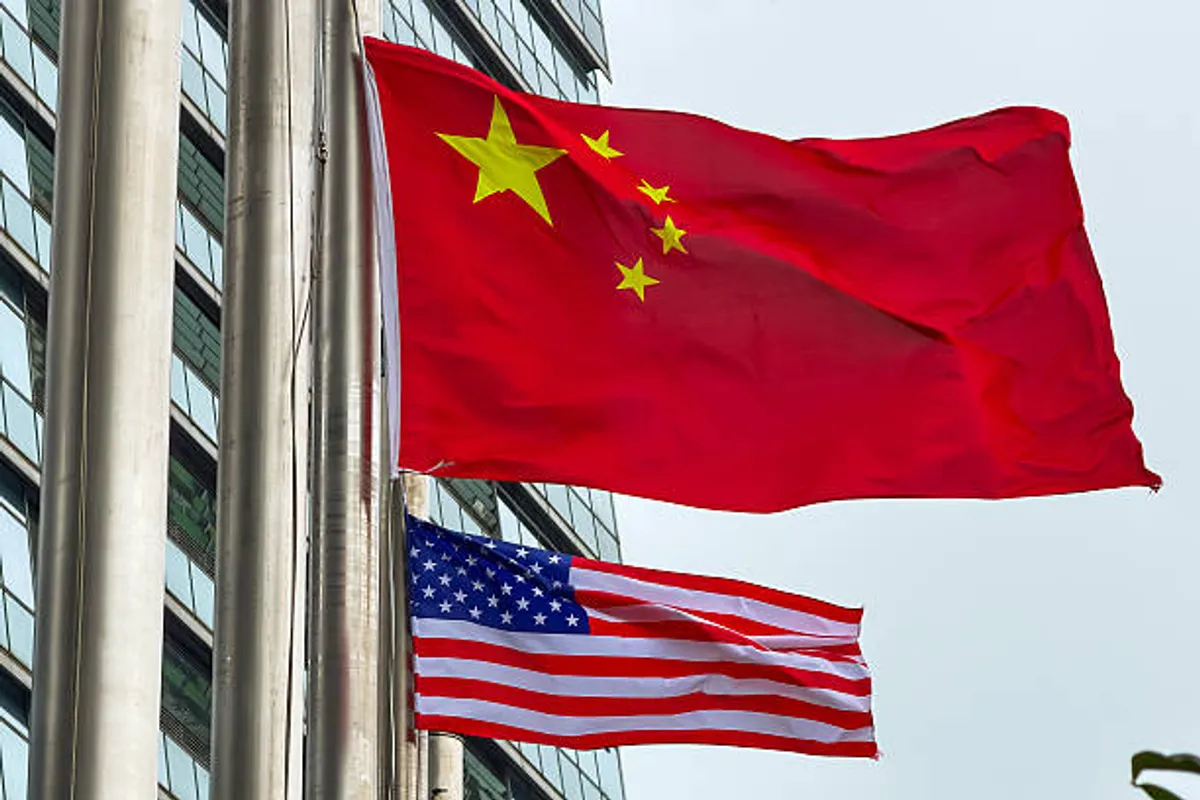
The issue highlights the broader technological rivalry between the United States and China, particularly in the race to dominate artificial intelligence capabilities.
While the U.S. has imposed restrictions on certain high-end chips, questions remain about how many exports are still permitted under existing frameworks. At the same time, China has been working to strengthen its domestic semiconductor industry while selectively allowing access to foreign technology.
Recent developments suggest a nuanced approach on both sides. Some advanced chips have reportedly received conditional approval for export, though actual sales remain uncertain.
Security and Innovation Concerns
Experts warn that access to powerful AI systems could accelerate research in areas with both civilian and military applications. These include autonomous systems, logistics optimization, and advanced simulation technologies.
As global competition in artificial intelligence intensifies, the balance between innovation, commerce, and national security continues to shape policy decisions on both sides.