SHANGHAI, March 27 — One of the world’s most influential artificial intelligence conferences has reversed a controversial policy restricting research submissions, following backlash and a boycott from China’s leading scientific body.
The Conference on Neural Information Processing Systems—widely known as NeurIPS—had earlier introduced a rule that would block research papers from any institution under U.S. sanctions. The decision quickly sparked criticism, particularly from Chinese academic and technology circles.
Within hours of mounting pressure, organizers announced the policy had been issued in error and formally withdrew it, acknowledging a miscommunication during internal discussions.
Backlash from China’s Scientific Community
The reaction in China was swift. The China Association for Science and Technology (CAST), one of the country’s largest professional bodies for scientists and engineers, responded by halting support for members planning to attend the conference.
Instead, the organization encouraged researchers to participate in domestic events or international platforms that it said better respect the rights and contributions of Chinese academics.
The move reflected broader tensions in the global AI landscape, where competition between major powers has increasingly extended into academic collaboration and knowledge sharing.
Policy Confusion and Rapid Reversal
NeurIPS organizers clarified that the expanded restriction had not been intended as official policy. According to their statement, the rule was mistakenly published due to internal miscommunication involving legal compliance considerations.
The corrected policy now aligns with existing restrictions that apply only to entities listed under specific U.S. sanctions programs, rather than a broader group of institutions.
Organizers issued a public apology, acknowledging the disruption and concern caused within the global research community.
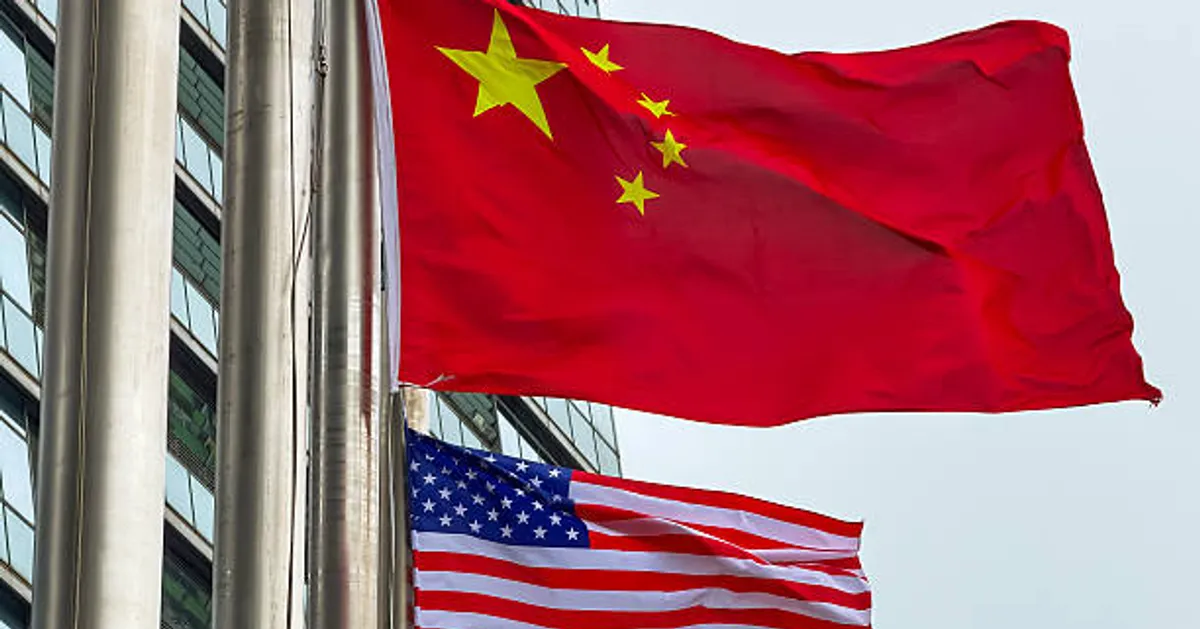
The incident underscores the growing intersection of geopolitics and artificial intelligence research. As the United States and China compete for technological leadership, academic institutions and conferences are increasingly caught in the middle.
Hundreds of Chinese universities and companies have been placed under various U.S. trade restrictions in recent years, complicating international collaboration and access to global research platforms.