TAIPEI — Jan 20 (GeokHub) Taiwanese server manufacturer Inventec said on Tuesday that a decision on whether Nvidia can sell its H200 artificial intelligence chip in China remains unresolved, with progress seemingly stalled on the Chinese side.
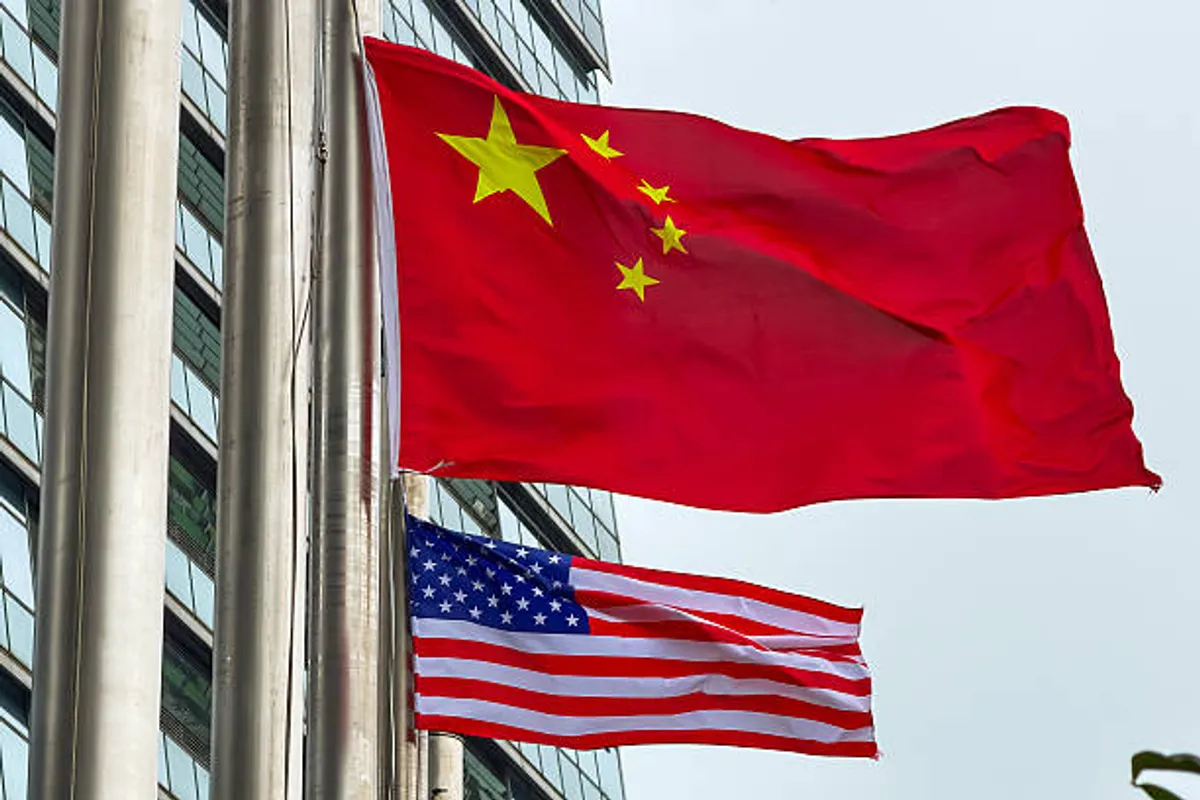
The United States last week approved exports of the advanced chip to China under specific conditions, opening the door for shipments from a regulatory standpoint in Washington. However, Chinese customs authorities have reportedly indicated that the H200 is currently not permitted to enter the country, creating uncertainty over whether the restriction is temporary or part of a broader policy decision.
Inventec, a major supplier of AI servers and notebook computers, manufactures systems using Nvidia chips — including the H200 — and produces servers for Chinese customers primarily at its Shanghai facility.
Speaking at a press briefing in Taipei, Inventec President Jack Tsai said the issue has become more political than technical.
“The United States is open to it, but at the moment the decision appears to be stuck on the China side,” Tsai said. “Ultimately, it comes down to whether China allows it.”
He added that Inventec would continue discussions with Chinese clients but stressed the company would not move forward unless regulations clearly permit it.
“If it is allowed, we will proceed. If not, there is nothing we can do, because we cannot violate regulations,” Tsai said.
Geopolitical Flashpoint in AI Technology
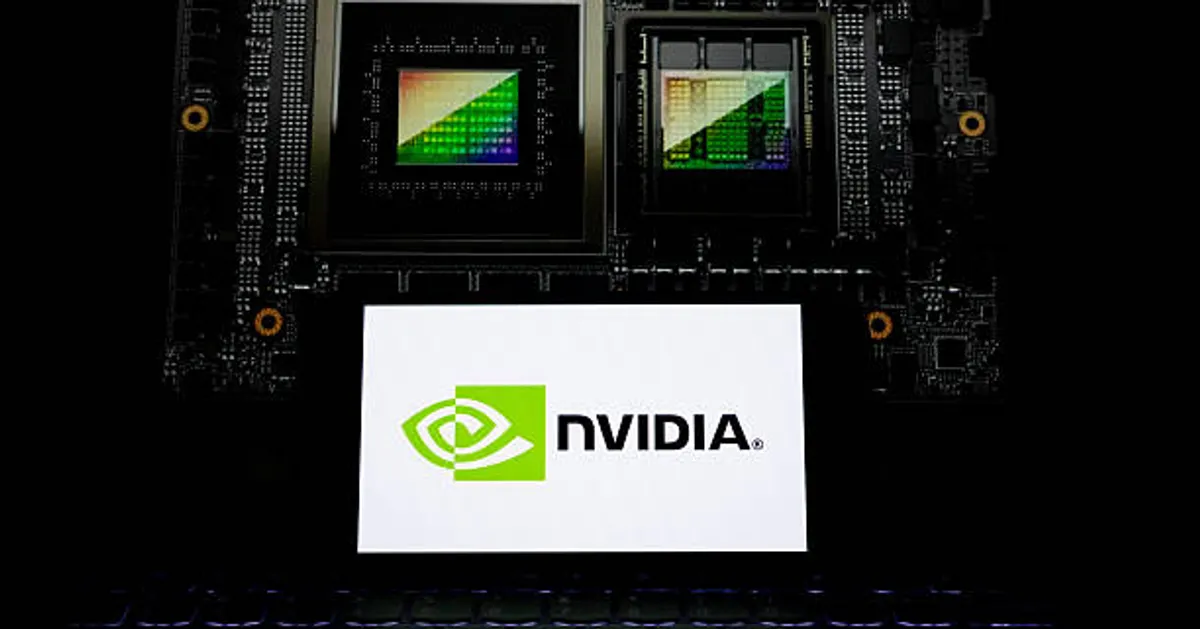
The H200 is Nvidia’s second-most powerful AI processor and has become a focal point in ongoing tensions between the United States and China over access to advanced semiconductor technology.
Chinese companies are believed to have strong demand for the chip, which is used in large-scale artificial intelligence training and inference. However, it remains unclear whether Beijing intends to block the H200 outright to encourage domestic chip development, is still evaluating U.S. export conditions, or is using the issue as leverage in broader negotiations with Washington.
The uncertainty highlights the increasingly complex regulatory environment facing global chipmakers and their manufacturing partners as AI hardware becomes a strategic asset in international relations.