AI Unlocks 400,000+ Medieval Jewish Manuscripts, Revealing Hidden History
Daniel Okoye
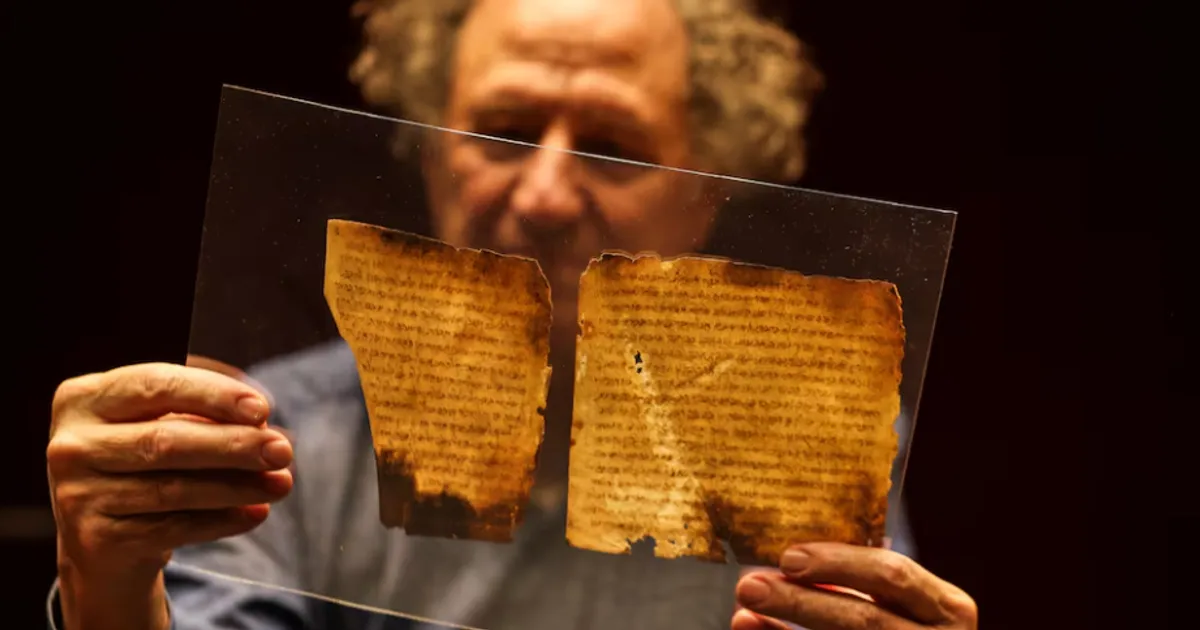
JERUSALEM, Nov. 26, 2025 — For centuries, the vast archive of the Cairo Geniza — one of the world’s largest collections of medieval Jewish manuscripts — remained largely inaccessible. Now, a pioneering AI transcription project is transforming thousands of fragmented, handwritten texts into searchable digital records, opening an unprecedented window into medieval Jewish life.
The Geniza contains over 400,000 manuscripts, spanning centuries and written in Hebrew, Arabic, Aramaic, and Yiddish. Before the AI project, only a small fraction had been transcribed. With AI-powered transcription and pattern recognition, researchers can now assemble fragmented documents, identify people, places, and events, and reconstruct historical narratives that were previously hidden.
Among the early discoveries are personal letters, legal contracts, business records, and liturgical texts. One letter from a 16th-century widow in Jerusalem to her son in Cairo reveals the everyday struggles and familial bonds of Jewish communities centuries ago. These findings provide a more nuanced understanding of medieval social, religious, and economic life.
The project demonstrates the powerful intersection of technology and the humanities. AI can now handle complex handwriting, multiple languages, and fragmented manuscripts — tasks that would have been impossible to scale manually. By digitizing these records, the initiative is not only aiding scholarly research but also making history accessible to the general public, allowing people to explore ancestral roots and historical connections across time.
Trends
Tesla to Double Austin Robotaxi Fleet in December, Says Musk
Australian Teens Challenge High Court Over Under-16 Social Media Ban
Historians believe this project could revolutionize understanding of medieval Middle Eastern society. The searchable archive may uncover trade networks, interfaith interactions, and community dynamics that reshape current perspectives on Jewish history and its wider cultural context.