Tesla Positioned to Gain as Canada Cuts Tariffs on Chinese-Made Electric Vehicles

GeokHub
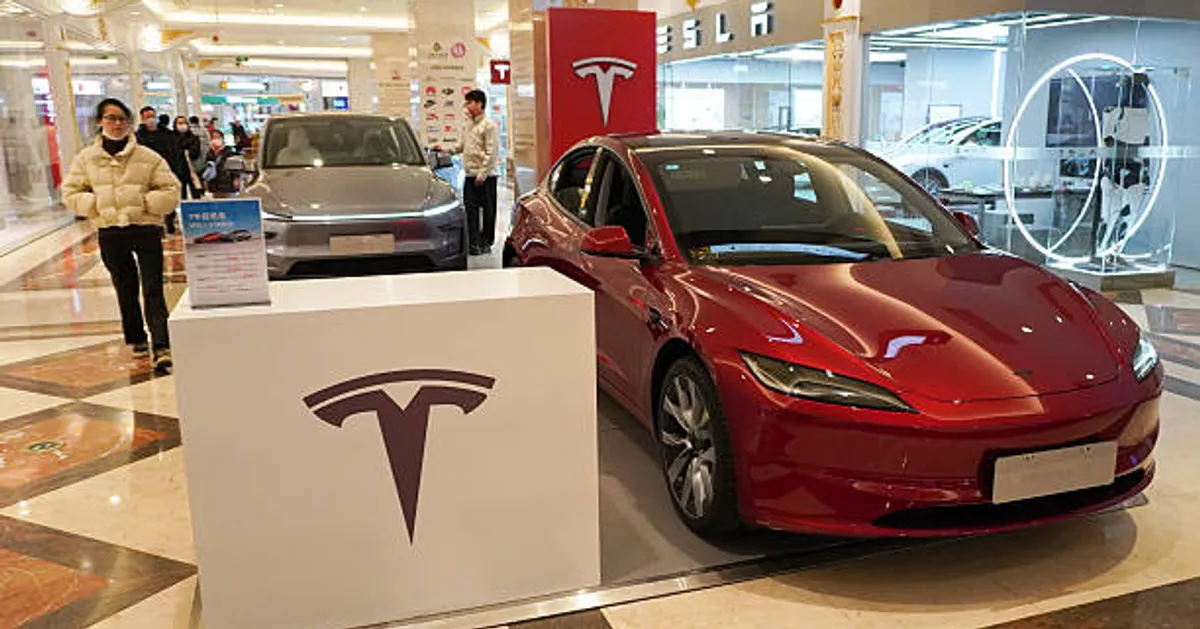
BEIJING / SHANGHAI — Jan 19, 2026 esla is expected to be among the earliest beneficiaries of Canada’s decision to ease restrictions on Chinese-made electric vehicles, leveraging its established manufacturing pipeline in China and an existing nationwide sales network, industry analysts say.
Under a new trade arrangement announced last week, Canada will allow the import of up to 49,000 China-made vehicles annually at a reduced 6.1% tariff, down from the punitive 100% levy imposed in 2024. Prime Minister Mark Carney said the quota could expand to 70,000 vehicles within five years.
Tesla’s Shanghai Advantage
Tesla is uniquely positioned among foreign automakers due to its Shanghai Gigafactory, the company’s largest and most cost-efficient plant, which was upgraded in 2023 to produce Canada-specific Model Y vehicles.
That same year, Tesla began shipping Shanghai-built cars to Canada, driving a 460% surge in Canadian auto imports from China through the port of Vancouver. The shipments were halted in 2024 after Ottawa imposed steep tariffs aimed at countering what it described as China’s state-driven industrial overcapacity.
With tariffs now lowered, analysts say Tesla could quickly resume exports from China, particularly as some of its lower-cost models — including several Model 3 variants — are primarily produced there.
“This agreement opens the door for Tesla to restart Chinese exports to Canada relatively fast,” said Sam Fiorani, vice president at AutoForecast Solutions.
Sales Network Gives Tesla an Edge
Unlike Chinese EV manufacturers such as BYD and Nio, Tesla already operates 39 retail locations across Canada, giving it a head start in distribution, marketing and after-sales service.
“Tesla’s limited number of core models and simplified production lines allow it to move vehicles between markets with greater flexibility,” said Yale Zhang, managing director at Shanghai-based consultancy AutoForesight.
Tesla did not immediately respond to a request for comment.
Limits and Openings in the New Quota System
One key provision in the agreement reserves half of the import quota for vehicles priced below 35,000 Canadian dollars ($25,189). All current Tesla models sold in Canada are priced above that threshold, potentially limiting its access to part of the quota.
That pricing clause could instead benefit Chinese automakers, many of which specialize in lower-priced EVs.
“The biggest winners may be Chinese brands and Canadian consumers looking for affordable entry-level electric cars,” Fiorani said.
China Brands Eye Canadian Market
Chinese EV makers see Canada as a potential testing ground, particularly given the country’s sizable Chinese-Canadian population, according to GlobalData analyst John Zeng.
Public broadcaster CBC reported that Ottawa is also exploring joint ventures with Chinese firms over the next three years to build EVs domestically using Chinese technology. China’s largest EV manufacturer, BYD, already operates an electric bus assembly plant in Ontario.
Before tariffs were imposed, Chinese-built vehicles from Volvo and Polestar, both owned by Geely, were also shipped to Canada.