BEIJING (GeokHub) — British Prime Minister Keir Starmer began a high-profile visit to China on Wednesday, the first by a UK leader in nearly eight years, as Britain seeks to rebuild political and commercial ties with Beijing amid rising uncertainty in Western alliances.
Starmer said engagement with China was unavoidable despite security concerns, arguing that Britain must balance vigilance with economic pragmatism as the world’s second-largest economy plays an increasingly central role in global trade.
“It’s not realistic to ignore China,” Starmer told reporters during the flight to Beijing. “Engagement is in Britain’s national interest, and this visit matters.”
The prime minister is accompanied by more than 50 senior business executives and is scheduled to meet President Xi Jinping and Premier Li Qiang before travelling to Shanghai for discussions with Chinese corporate leaders.
Reset After Years of Tension
The visit signals a potential thaw after years of strained relations driven by disputes over Hong Kong, intelligence concerns, and Beijing’s stance on Russia’s war in Ukraine.
For China, the trip provides an opportunity to project itself as a steady and reliable economic partner at a time of growing global volatility, particularly as relations between Washington and several of its traditional allies have become less predictable.
Trump Factor Looms Over Talks
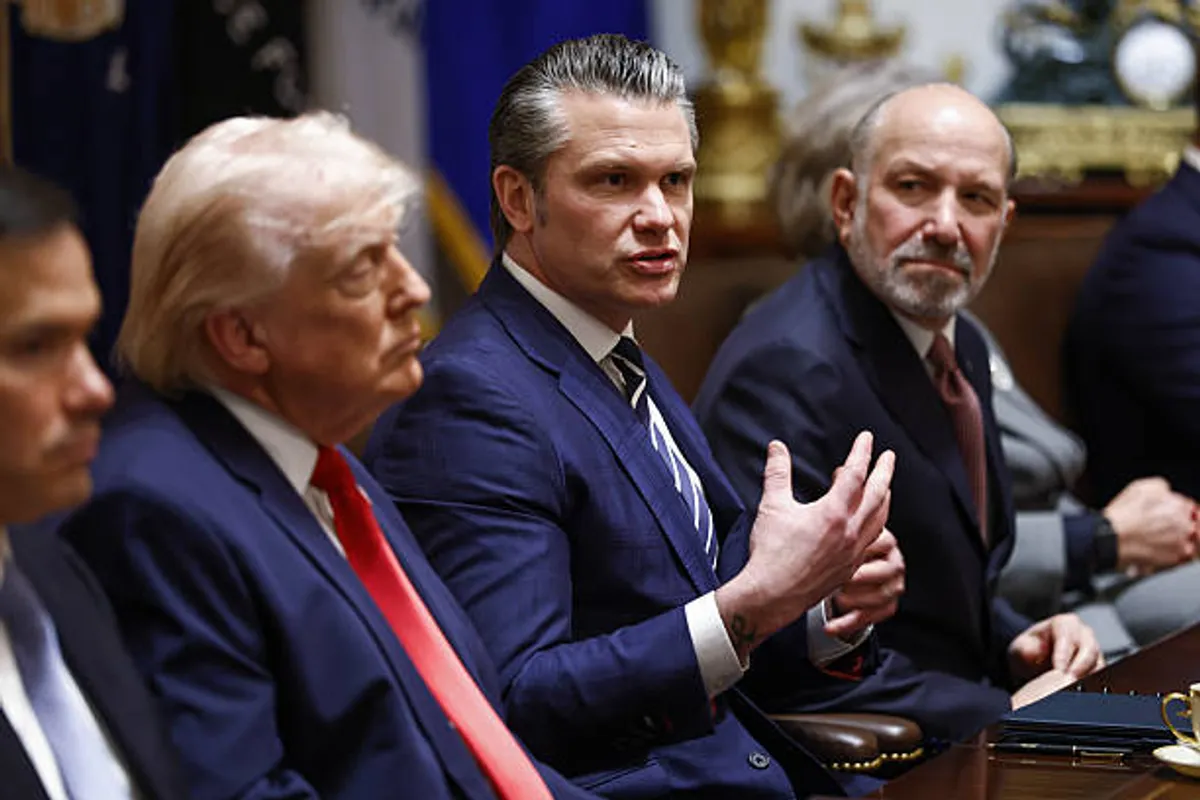
Starmer’s trip comes as European governments increase diplomatic engagement with Beijing amid uncertainty surrounding U.S. foreign policy under President Donald Trump.
Recent tensions between London and Washington — including disagreements over territorial issues, defence commitments, and trade policy — have underscored the pressure on Western allies to diversify economic and diplomatic relationships.
Despite this, Starmer insisted Britain’s outreach to China does not undermine its long-standing partnership with the United States.
“The UK-US relationship remains one of our closest,” he said, citing defence, intelligence, and trade cooperation. “That history gives us room to engage globally without abandoning our core alliances.”
Sensitive Issues Remain Unresolved
Starmer declined to detail whether he would raise contentious topics such as human rights cases in Hong Kong or urge China to exert pressure on Russia to end the war in Ukraine.
He also stopped short of promising concrete outcomes on visa-free travel between the two countries, saying only that he hoped talks would deliver “meaningful progress.”
Asked about broader geopolitical alignment, Starmer rejected suggestions that Britain must choose between Washington, Europe, or Beijing.
“I’m a pragmatist,” he said. “British pragmatism means acting in our interests with common sense.”