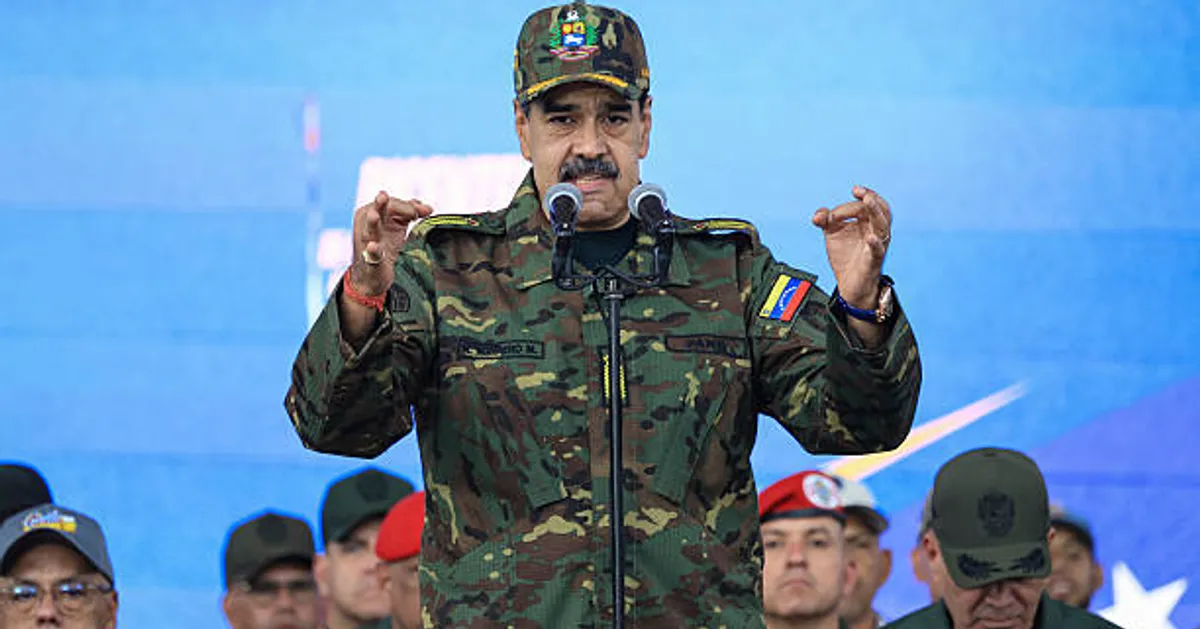
WASHINGTON, Jan 3 (GeokHub) — The United States’ capture of Venezuelan President Nicolás Maduro in a military operation early Saturday has sparked intense debate among legal experts over whether the action complied with U.S. and international law.
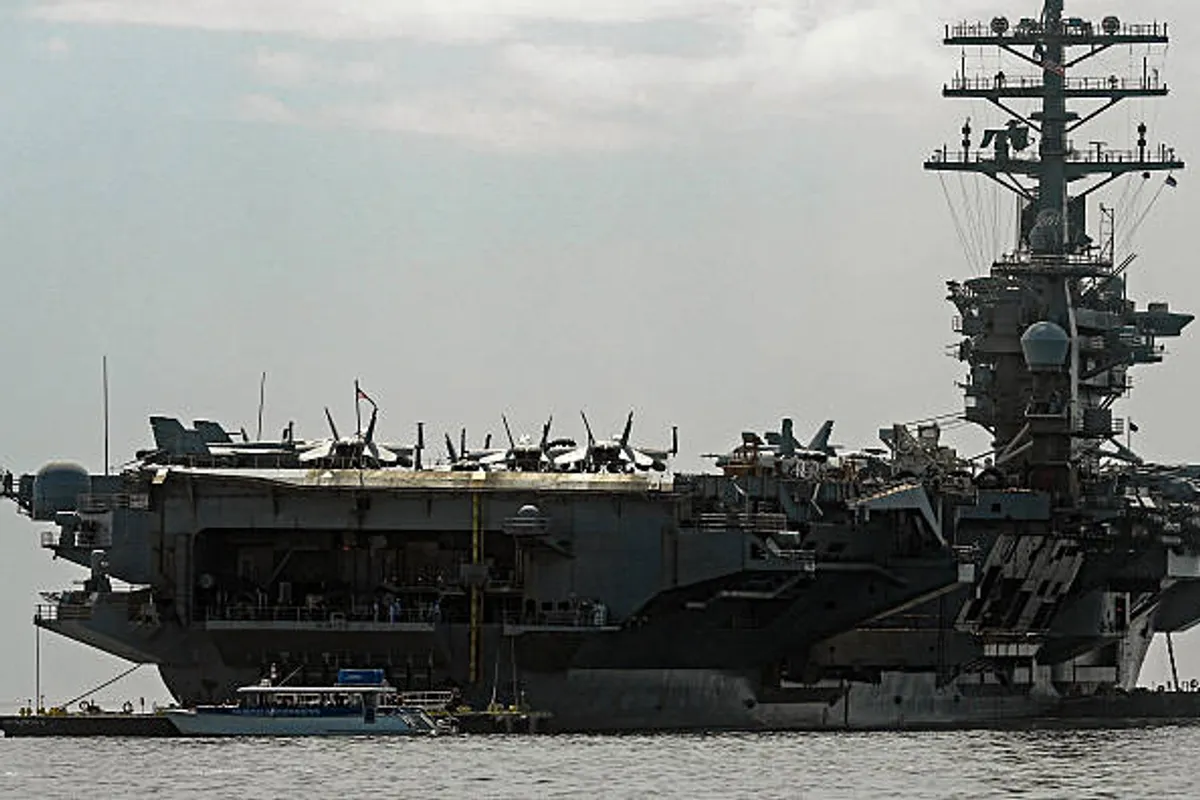
U.S. officials said Maduro was taken into custody during a pre-dawn operation and placed aboard a U.S. naval vessel bound for New York, where he is expected to face criminal charges. The move capped months of escalating pressure by President Donald Trump’s administration and drew condemnation from several foreign governments.
What Happened
U.S. forces entered Venezuela and seized Maduro and his wife, Cilia Flores, in what officials described as a coordinated military-assisted law enforcement action. Washington has long accused Maduro of supporting drug trafficking networks and designated criminal groups, allegations his government has repeatedly denied.
Trump has accused Venezuela of harming U.S. interests and backing organizations blamed for narcotics-related deaths in the United States. Since September, U.S. forces have carried out dozens of strikes on vessels allegedly linked to Venezuelan drug trafficking, actions that some legal experts say likely violated both U.S. and international law.
U.S. Justification
The administration said the operation was requested by the Justice Department after Maduro and several associates were indicted by a New York grand jury on charges including terrorism, drug trafficking and weapons offenses.
Attorney General Pam Bondi said those charged would face justice in U.S. courts. However, Trump complicated the legal rationale by suggesting Washington would reclaim U.S. oil interests in Venezuela and oversee the country for a period of time, without providing details.
Legal scholars said those statements blurred the line between a narrowly defined arrest operation and a broader military intervention.
“You cannot describe this as a law enforcement action and simultaneously suggest governing another country,” said Jeremy Paul, a constitutional law professor at Northeastern University. “Those positions are legally incompatible.”
Domestic and International Law
Under U.S. law, Congress holds the authority to declare war, though presidents have historically ordered limited military actions without prior approval. Trump’s chief of staff previously acknowledged that sustained military activity in Venezuela would require congressional authorization.
Secretary of State Marco Rubio said Congress was not notified in advance of Saturday’s operation.
International law generally prohibits the use of force against another country except in cases of self-defense or with authorization from the United Nations Security Council. Legal experts said criminal indictments alone do not justify military force under international standards.
“Arrest warrants do not authorize the use of armed force to remove a foreign leader,” said Matthew Waxman, a national security law professor at Columbia University. “The administration may attempt to frame this as self-defense, but that argument is legally contested.”
The United States has not recognized Maduro as Venezuela’s legitimate leader since 2019, following elections Washington described as fraudulent.
Historical Precedents
The U.S. has previously captured suspects abroad, typically with the consent of local authorities. In this case, Washington does not recognize an alternative Venezuelan government that could have authorized the operation.
A frequently cited precedent is the 1989 arrest of Panama’s leader Manuel Noriega, who had been indicted on drug charges. At the time, the U.S. cited threats to American citizens and recognized a rival Panamanian government.
Legal analysts said accountability for the Maduro operation is unlikely, even if violations occurred, due to weak enforcement mechanisms in international law.
“It’s difficult to see how any legal body could impose real consequences,” Paul said.