WASHINGTON/PALM BEACH, Fla., Jan 4 (GeokHub) — The Trump administration is seeking to pressure Venezuela’s post-Maduro leadership into compliance through the threat of further military action, betting that fear of another U.S. strike will force cooperation on oil access and political transition, according to people familiar with the strategy.
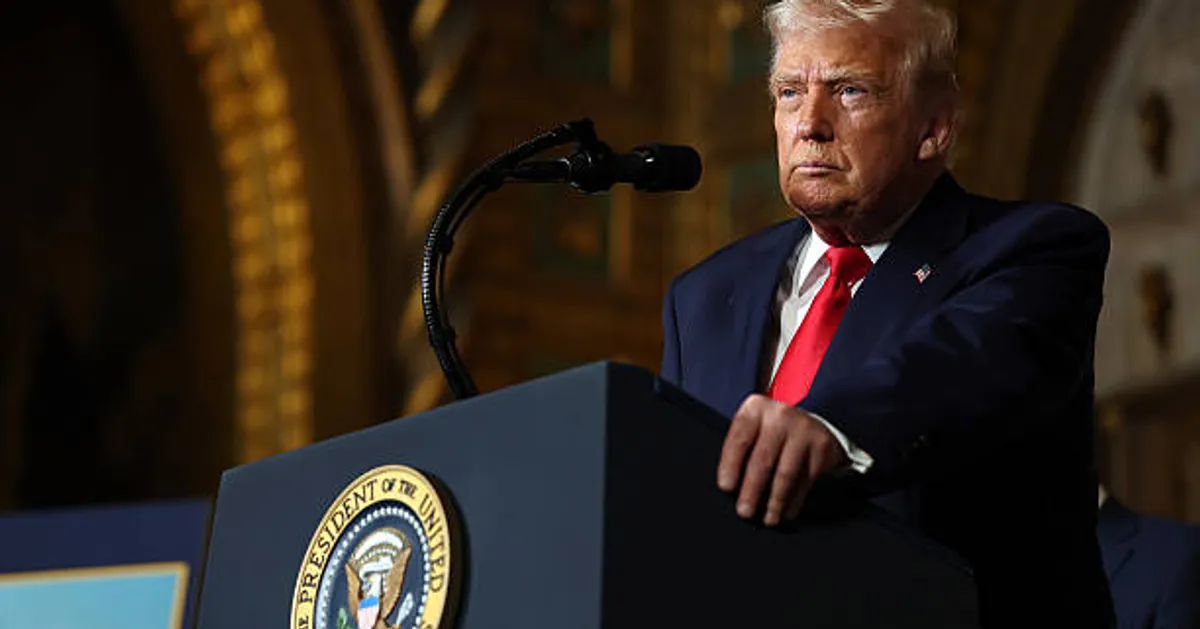
President Donald Trump said on Sunday that the United States could launch another military operation if Venezuela’s interim government fails to cooperate with Washington, following the dramatic capture of former leader Nicolas Maduro by U.S. special forces over the weekend.
Speaking to reporters aboard Air Force One, Trump made clear that military options remain open. “If they don’t behave, we will do a second strike,” he said, adding that the scope of any future intervention would depend on the actions of the interim leadership now headed by Delcy Rodriguez.
Trump advisers believe Rodriguez — despite her public denunciations of the U.S. operation — could be persuaded to work with Washington on a controlled political transition and on reopening Venezuela’s oil industry to U.S. and private-sector involvement. Rodriguez, a longtime Maduro ally who also serves as oil minister, has been viewed by some in Washington as a pragmatic technocrat with strong ties to the business community.
Trump said he expects Venezuela’s new authorities to grant U.S. companies broad access to the country’s damaged oil infrastructure, as well as roads and bridges in need of reconstruction. He warned that failure to cooperate would bring severe consequences.
“I just say that she will face a situation probably worse than Maduro,” Trump said, describing the former leader’s capture as swift and decisive.
Maduro is now being held in New York ahead of a court appearance on drug trafficking charges, after rejecting earlier offers of amnesty or exile, according to people familiar with the matter.
Two powerful figures from Maduro’s inner circle — Defense Minister Vladimir Padrino and Interior Minister Diosdado Cabello — remain potential obstacles to U.S. plans. Both control key security institutions and are subject to multimillion-dollar U.S. bounties, raising doubts over whether Washington can reshape Venezuela’s leadership without deeper involvement.
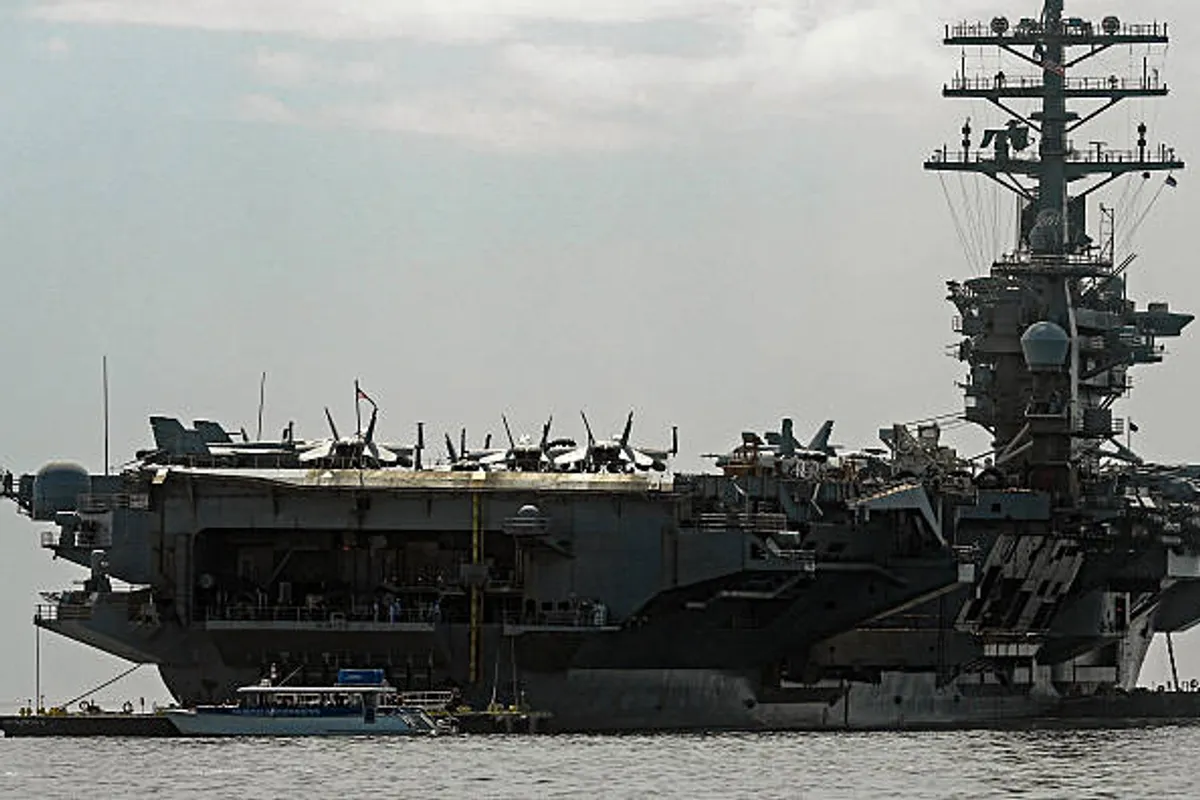
U.S. officials say pressure points include a sustained military presence off Venezuela’s coast, the continued threat of air strikes, targeted actions against Maduro loyalists, and the maintenance of a tight “quarantine” on Venezuelan oil exports — the country’s primary source of revenue.
“This is the sword that Trump has hanging over them,” one person familiar with the strategy said.
Rodriguez has publicly rejected U.S. demands, describing Maduro’s capture as a kidnapping and accusing Washington of seeking to seize Venezuela’s oil wealth. While she has been formally installed as interim leader by the country’s top court, she insists Maduro remains president.
U.S. Secretary of State Marco Rubio dismissed her rhetoric, saying Washington would judge Caracas by its actions rather than public statements.
Trump has so far made little mention of restoring democracy, focusing instead on economic leverage and energy access. He has also sidelined Venezuela’s opposition, including Nobel Peace Prize winner Maria Corina Machado, disappointing activists who hoped the U.S. intervention would usher in opposition rule.
Critics warn Trump’s approach risks accusations of neocolonialism and could face resistance in Congress, where Democrats — and some Republicans — may seek to block funding for further military operations.
Despite the uncertainty, Trump aides see co-opting Venezuela’s existing power structure as the fastest way to stabilize the OPEC nation, restart oil production, and engineer a gradual shift away from Maduro-era rule without deploying U.S. ground forces.