NEW YORK, Jan 4 (GeokHub) — President Nicolas Maduro was being held in a New York detention facility on Sunday after U.S. special forces carried out a surprise operation to capture him, with President Donald Trump declaring that Washington would temporarily take control of the oil-rich South American nation.
Maduro, 63, is expected to appear in a Manhattan federal court on Monday to face long-standing U.S. drug trafficking and terrorism-related charges. Images of the former leader blindfolded and restrained during his transfer to the United States have reverberated across Latin America and beyond, marking Washington’s most dramatic intervention in the region in decades.
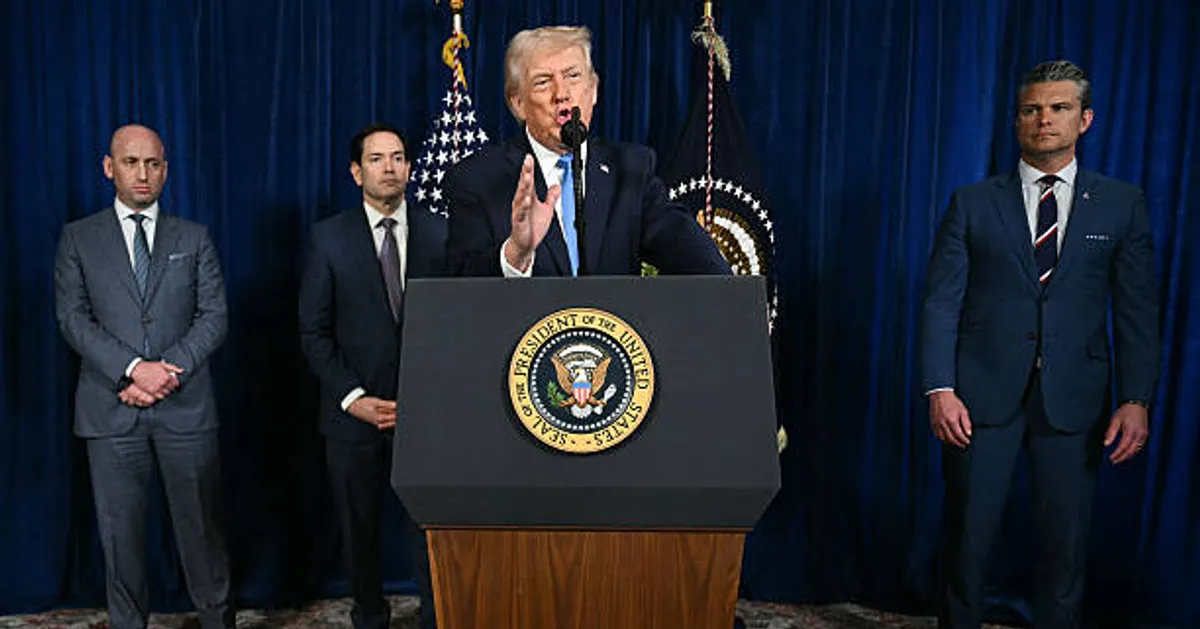
Trump described the operation as decisive and necessary, saying the United States would oversee Venezuela until a “safe, proper and judicious transition” could be achieved. Speaking at his Mar-a-Lago resort in Florida, he provided few specifics on how long U.S. involvement would last or how governance would be structured.
U.S. Claims Interim Control Amid Global Shock
The president said Washington would manage Venezuela’s state functions and energy resources in the interim, citing the country’s vast oil reserves and years of economic collapse under Maduro’s rule. He dismissed proposals that opposition figures immediately assume power, saying Venezuela lacked unified domestic leadership capable of stabilizing the country.
Maduro’s allies in Caracas condemned the operation as an illegal kidnapping and rejected U.S. claims of authority. Acting officials loyal to Maduro insisted that Venezuela remained sovereign and accused Washington of seeking control over its natural resources.
“There is only one president of Venezuela,” interim leader Delcy Rodriguez said in a statement, vowing resistance to foreign control.
Mixed Reactions at Home and Abroad
The dramatic seizure triggered sharply divided reactions. Many Venezuelans living abroad celebrated Maduro’s removal, blaming his government for years of economic mismanagement, political repression and mass emigration. Roughly one in five Venezuelans has fled the country over the past decade, according to international estimates.
Inside Venezuela, the mood was more cautious. Residents reported quiet streets, reduced security presence and rising anxiety about what comes next. Some began stockpiling essentials amid uncertainty over potential instability.
International response was swift. The United Nations Secretary-General warned the move could set a “dangerous precedent,” while Russia and China condemned the operation as a violation of international law. Several Western governments called for restraint and urged diplomatic solutions.
Legal and Political Questions Mount
The operation has sparked intense debate in Washington over its legality and long-term consequences. Critics questioned whether the U.S. had the authority to seize a foreign head of state and assume control of another country without congressional authorization.
Trump dismissed those concerns, saying U.S. oil companies would return to Venezuela to rehabilitate deteriorated infrastructure and that American involvement would be financed through energy revenues. He also left open the possibility of a continued military presence, stating the administration was “not afraid of boots on the ground.”
Analysts warned that the move risks entangling the United States in a prolonged and complex nation-building effort, drawing comparisons to past interventions that proved costly and politically divisive.
The U.N. Security Council is scheduled to convene to discuss the situation, as global attention turns to how the United States intends to govern Venezuela and whether a credible transition plan will emerge.