Paris | Jan 14 — GeokHub Global payments giant Visa is stepping up efforts to integrate stablecoins into its existing payment infrastructure, positioning itself to remain at the center of global commerce as digital currencies gain momentum.
Visa’s head of crypto, Cuy Sheffield, said the company sees stablecoins — cryptocurrencies typically pegged to fiat currencies like the U.S. dollar — as an important evolution in payments rather than a replacement for traditional card networks.
“Even if new payment systems are built on stablecoin technology, they still need to connect to the existing merchant acceptance ecosystem,” Sheffield said, pointing to Visa’s global network of sellers as a key advantage.
Stablecoins Growing, But Merchant Use Remains Limited
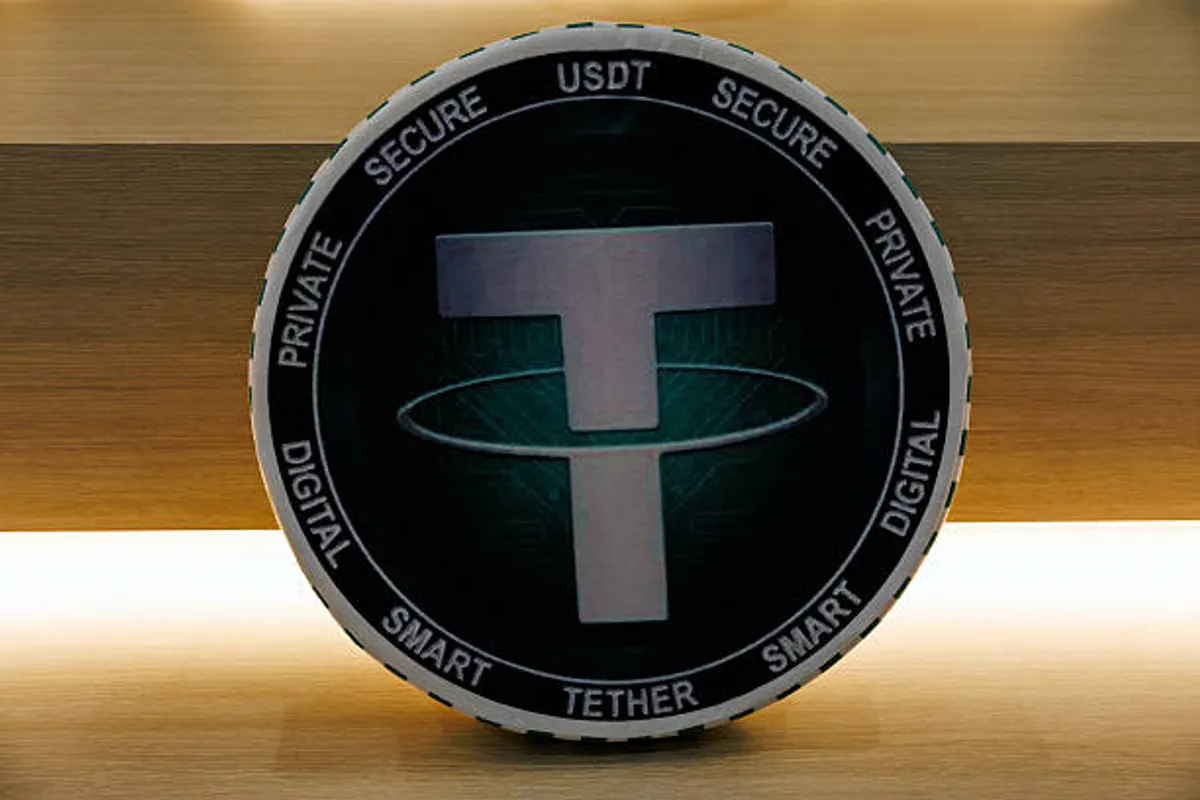
Stablecoins allow money to move outside conventional banking rails and have expanded rapidly in recent years. Tokens such as USDT and USDC now account for hundreds of billions of dollars in circulation, yet everyday spending with stablecoins remains uncommon.
Sheffield noted that there is currently no merchant acceptance at scale, meaning consumers still struggle to use stablecoins directly for real-world purchases.
As a result, Visa believes companies building stablecoin-based products need established payment networks to bridge the gap between blockchain technology and everyday commerce.
Visa Expands Stablecoin Settlement Programs
Visa has already launched several initiatives tied to stablecoins, including payment cards linked to digital tokens. In December, the company began a pilot program allowing selected U.S. banks to settle transactions using USDC, a stablecoin issued by Circle.
According to Sheffield, Visa’s stablecoin settlement volumes have reached an annualized run rate of $4.5 billion. While small compared with Visa’s total payment volume of $14.2 trillion last year, he said growth has been accelerating month by month.
Demand is being driven mainly by fintech firms offering stablecoin-linked cards to consumers.
Banks Eye Their Own Stablecoins
Interest in stablecoins is also rising among major banks. Financial institutions such as Goldman Sachs, UBS, and Citi have previously said they are exploring the possibility of launching their own stablecoins, amid concerns that digital tokens could reshape global payment flows.
In Europe, banks including ING and UniCredit have joined forces to develop a euro-pegged stablecoin, aiming to reduce reliance on U.S.-backed digital currencies.
Sheffield said Visa welcomes these developments, adding that the stablecoin market should not be dominated by dollar-backed tokens alone.
“The future of stablecoins shouldn’t just be about dollars,” he said.
High-Frequency Trading Still Dominates Activity
Despite rapid growth, analysts caution that stablecoins are not yet close to replacing traditional money. While blockchain data shows tens of trillions of dollars in stablecoin transactions, much of that activity comes from high-frequency trading and arbitrage, not consumer payments.
Visa-adjusted data suggests that a significantly smaller portion of stablecoin volume reflects genuine payment use, after excluding trading-related activity.