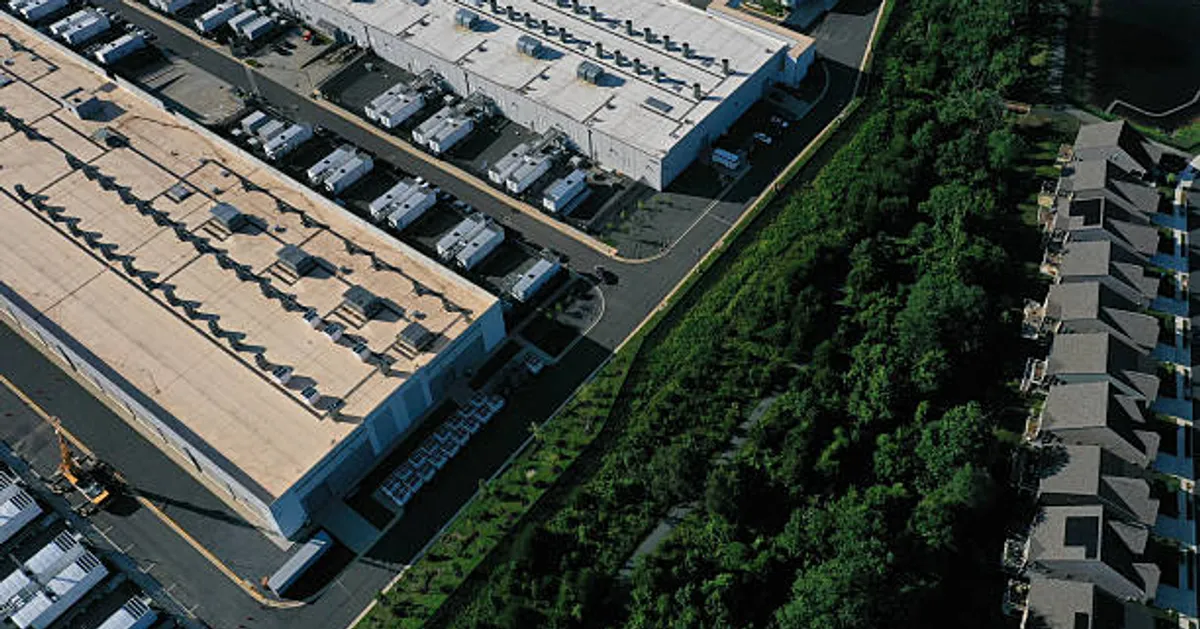
March 26, (GeokHub) – The U.S. technology sector is being urged to reduce energy consumption during periods of peak demand as concerns grow that the rapid expansion of data centers is straining the nation’s power grid.
Utilities and regulators are encouraging tech companies to adopt a “demand response” approach—scaling back energy use at large server farms when grid operators signal high demand. Historically, data centers have operated continuously to prevent service interruptions, but pilot programs are exploring more flexible operations.
Industry experts note that pausing or shifting workloads can be costly. IT consultancy Heunets estimates that downtime costs companies around $9,000 per minute. However, flexibility could prevent blackouts and reduce the need for costly grid upgrades. The Electric Power Research Institute (EPRI) projects that U.S. data center electricity use could quadruple by 2030, consuming up to 17% of the nation’s power supply.
“It’s not electrons on the grid—it’s being able to deliver when demand is at a peak,” said U.S. Energy Secretary Chris Wright at the CERAWeek conference in Houston. “When electricity demand rises high, supply must meet demand, or people die.”
Recent examples of demand response include the Department of Energy directing data centers in the PJM Interconnection region to use backup generators during a winter storm to free up electricity for critical needs. PJM, which serves the largest concentration of U.S. data centers, warns of potential supply shortages as soon as next year if demand outpaces new supply.
Tech companies are beginning to adopt flexible energy strategies. Google has contracted with utilities to reduce consumption at certain facilities on demand, while Nvidia is working with Emerald AI to dynamically relocate workloads during grid spikes. The EPRI released a framework this week, with input from major players including Meta, to guide data centers in implementing flexibility and accelerating connection to the grid.
Investors and energy experts argue that implementing demand response across data centers could save between $40 billion and $150 billion in infrastructure investments over the next decade, ultimately lowering costs for households and small businesses.
“Data centers are entering a transition period where flexibility will be key,” said Jennifer Cahill, associate vice president at Black & Veatch. “We are working through how this can be done safely and effectively.”