Saudi Arabia Issues Sharp Security Warning as Tensions With UAE Flare Over Yemen

GeokHub
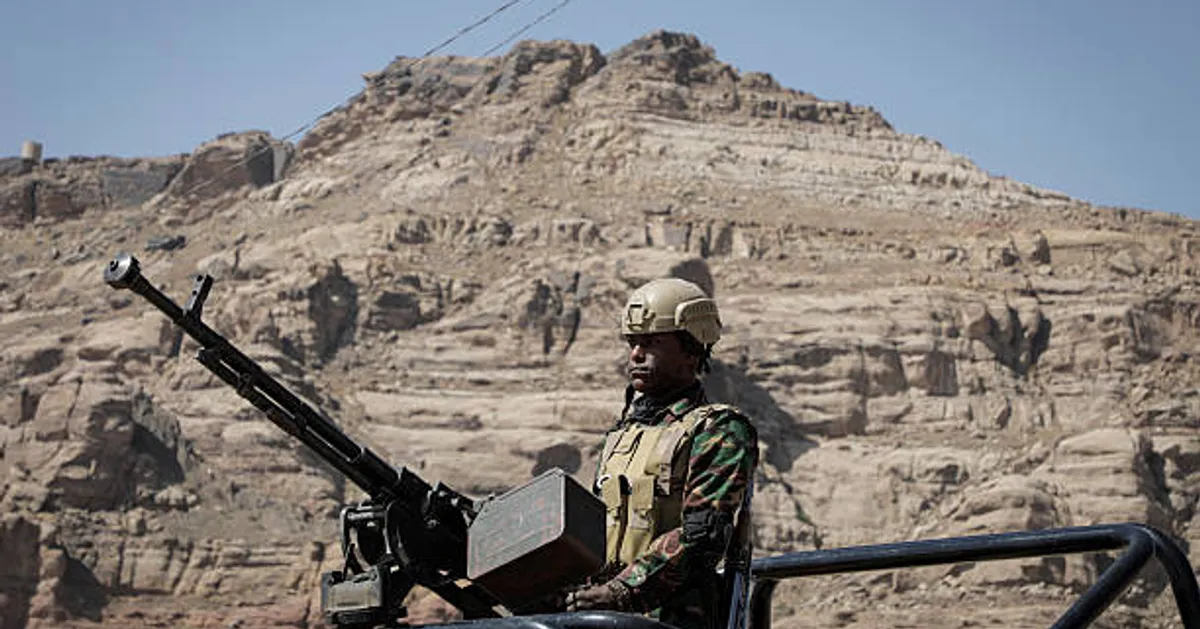
Dec 30 | Riyadh / Aden — Saudi Arabia declared on Tuesday that its national security is “a red line,” backing a demand for United Arab Emirates forces to withdraw from Yemen within 24 hours, following a Saudi-led coalition airstrike on the southern port city of Mukalla.
The unusually forceful language marked Riyadh’s strongest public rebuke of Abu Dhabi since the Yemen war began, highlighting a growing rift between two Gulf allies whose interests in the country now appear to be diverging.
Saudi officials said the coalition strike targeted unauthorised foreign military support for southern separatist forces aligned with the UAE. Yemen’s Saudi-backed Presidential Leadership Council (PLC) subsequently issued the withdrawal deadline and urged Emirati authorities to comply.
ESCALATING DISPUTE BETWEEN GULF ALLIES
The confrontation raises concerns beyond Yemen. Saudi Arabia and the UAE are both key members of OPEC, and analysts warn that deepening political tensions could complicate coordination on oil production policy, with the group scheduled to meet virtually later this week.
Yemen’s PLC chairman, Rashad al-Alimi, announced the cancellation of a defence agreement with the UAE and accused Abu Dhabi of stoking internal conflict by backing the Southern Transitional Council (STC).
In a televised address, Alimi said evidence showed the UAE had “directed and encouraged” the STC to challenge the authority of the internationally recognised government through military escalation.
The UAE’s foreign ministry did not immediately respond to requests for comment. Financial markets in the Gulf region slipped following news of the flare-up.
PORT STRIKE AND ARMS ALLEGATIONS
The Saudi-led coalition said the Mukalla strike occurred after the arrival of two vessels from the UAE port of Fujairah that allegedly docked without authorisation.
According to the coalition, the ships disabled tracking systems and unloaded weapons and combat vehicles intended for STC forces. Saudi state media released footage it said showed one of the vessels involved, claiming it had transported military equipment from the UAE.
Coalition officials said the strike caused no casualties or damage to civilian infrastructure. Two regional sources said the targeted area was the dock where the cargo had been unloaded.
Reuters could not independently verify the nature of the shipment or confirm details of the strike. Yemeni state television aired footage showing smoke and damaged vehicles near the port in the early hours after the attack.
RISK OF A RENEWED CIVIL CONFLICT
The STC, which seeks autonomy or independence for southern Yemen, launched a surprise offensive earlier this month against government forces, breaking a long-standing military stalemate and seizing control of large parts of the south, including Hadramout province.
Hadramout is strategically important, bordering Saudi Arabia and sharing deep historical and cultural ties with the kingdom. Riyadh had previously warned the STC against advancing in the area and demanded a withdrawal, a call the group rejected.
In response to the latest developments, Alimi imposed a 72-hour air, sea and land blockade on all Yemeni ports and crossings, with limited exemptions subject to coalition approval.
DIVIDED YEMENI LEADERSHIP
STC leader Aidarous al-Zubaidi, who also serves as deputy head of the presidential council, rejected Alimi’s decisions in a joint statement with other council members, insisting the UAE remains a vital partner in fighting the Iran-aligned Houthi movement.
The statement argued that no individual authority could expel a coalition member unilaterally, describing such decisions as matters governed by regional alliances and international agreements.
Since 2022, the STC has been part of a Saudi-brokered power-sharing arrangement governing southern Yemen, while the Houthis retain control of the north, including the capital Sanaa.
UNCERTAIN PATH AHEAD
Saudi officials said the coalition would continue to block any foreign military assistance to Yemeni factions that is not coordinated with the internationally recognised government, signalling that further action could follow if the situation escalates.
The latest confrontation underscores how Yemen’s long-running conflict is increasingly exposing fractures among former allies — raising the risk of renewed instability in a country already devastated by years of war.