Trump Signals New Tariff Strategy After Supreme Court Blocks Emergency Levies
Daniel Okoye
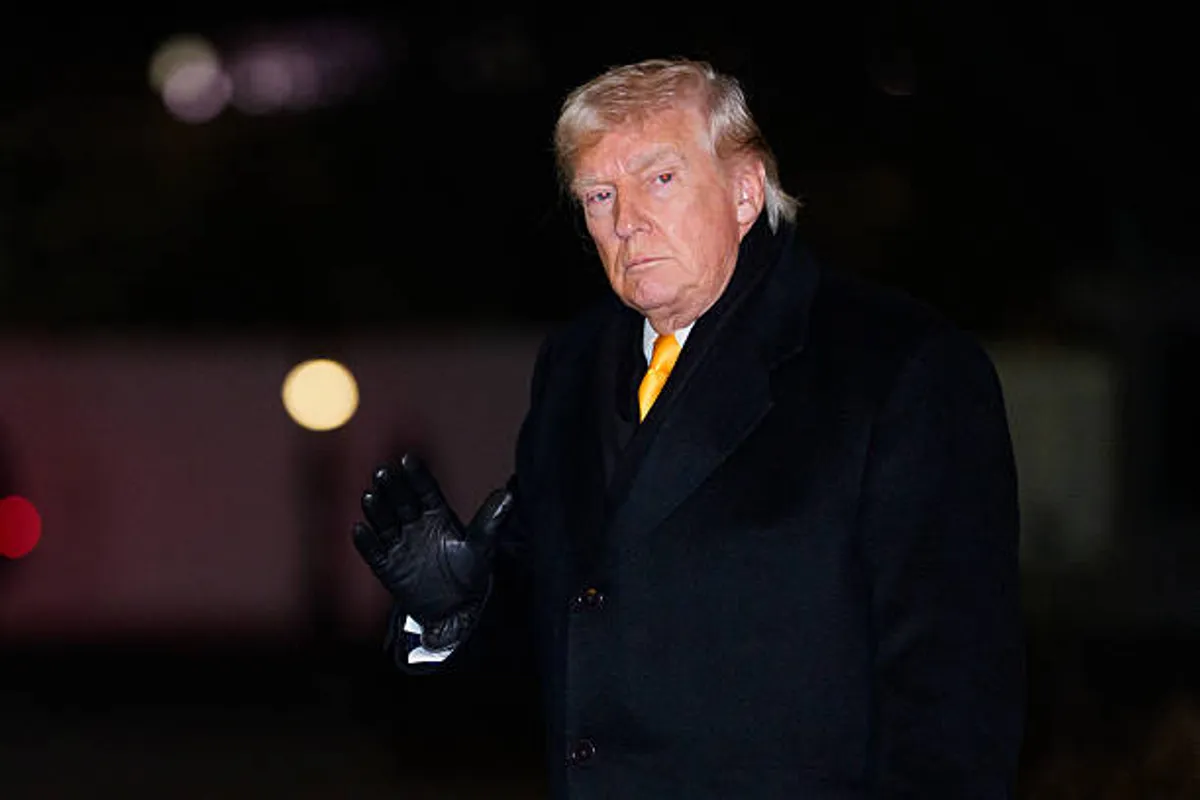
WASHINGTON — Feb. 23 (GeokHub) President Donald Trump renewed his criticism of the U.S. Supreme Court on Monday after it invalidated key elements of his sweeping tariff program, signaling he could deploy alternative trade powers and licensing mechanisms in response.
In a social media post, Trump argued that while the court rejected certain tariffs imposed under emergency authority, other tariff tools remain legally viable. He suggested those measures could be implemented in a “more powerful” manner but did not provide specifics.
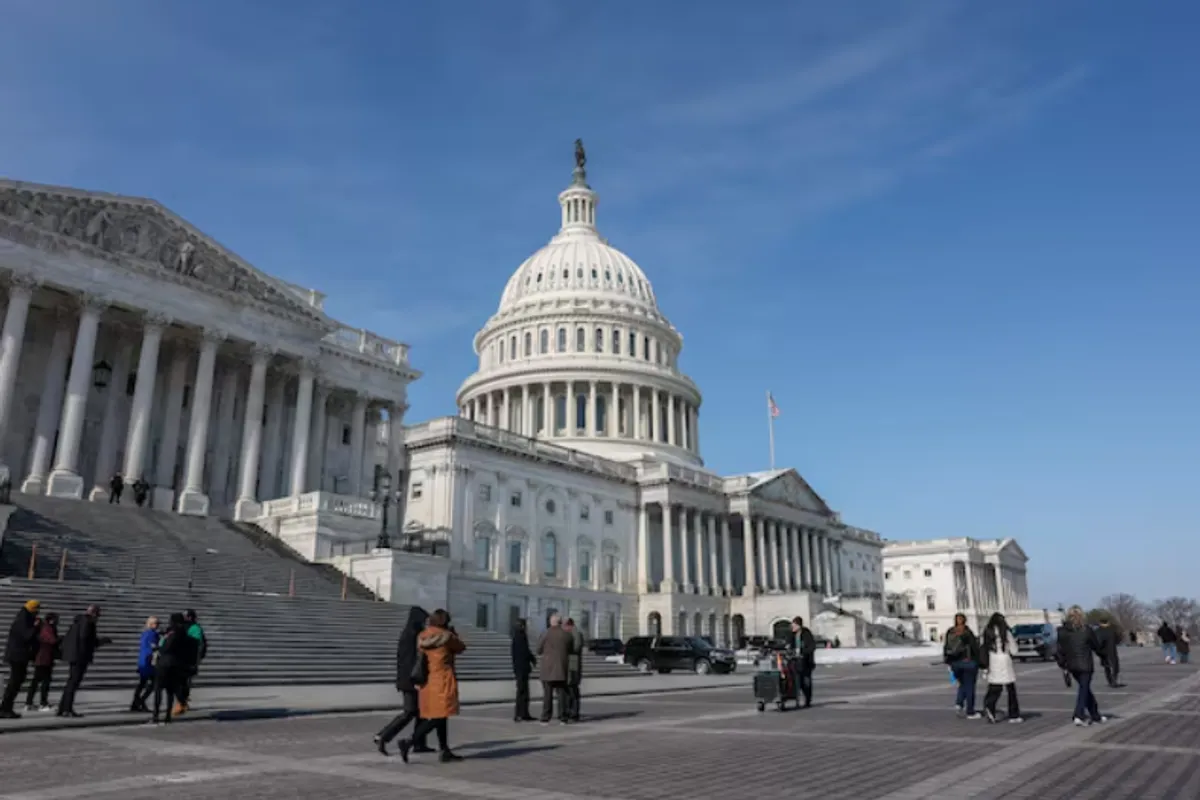
The court’s decision, issued last week in an opinion authored by Chief Justice John Roberts, found that the president exceeded his authority when imposing higher tariff rates under an economic emergency statute. The ruling reaffirmed judicial oversight over executive trade powers.
Tariff Adjustments and Legal Strategy
Following the decision, Trump announced he would raise a temporary across-the-board tariff on U.S. imports from 10% to 15%, citing maximum levels permitted under existing law.
He also hinted at exploring licensing mechanisms as another potential trade instrument, questioning whether the administration could impose licensing fees on imports. Legal analysts note that such measures would likely face fresh scrutiny depending on their statutory basis.
The latest moves have added uncertainty to global markets. U.S. stock futures and the dollar declined in early trading as investors sought clarity on trade policy direction. Oil prices also fluctuated amid concerns about global growth and fuel demand, before stabilizing on separate geopolitical developments.
Diplomatic Fallout
The ruling and subsequent tariff actions have complicated several trade arrangements negotiated over the past year. China has urged Washington to roll back new measures, while the European Union is reviewing its agreement with the United States. India has postponed planned trade discussions amid the uncertainty.
Observers say the evolving legal battle could reshape the balance between executive authority and judicial review in trade policy. The Supreme Court’s decision signals that future tariff initiatives may require clearer statutory grounding to withstand legal challenges.