Judge Orders Release of Border Patrol Bodycam Footage in Chicago Shooting

GeokHub
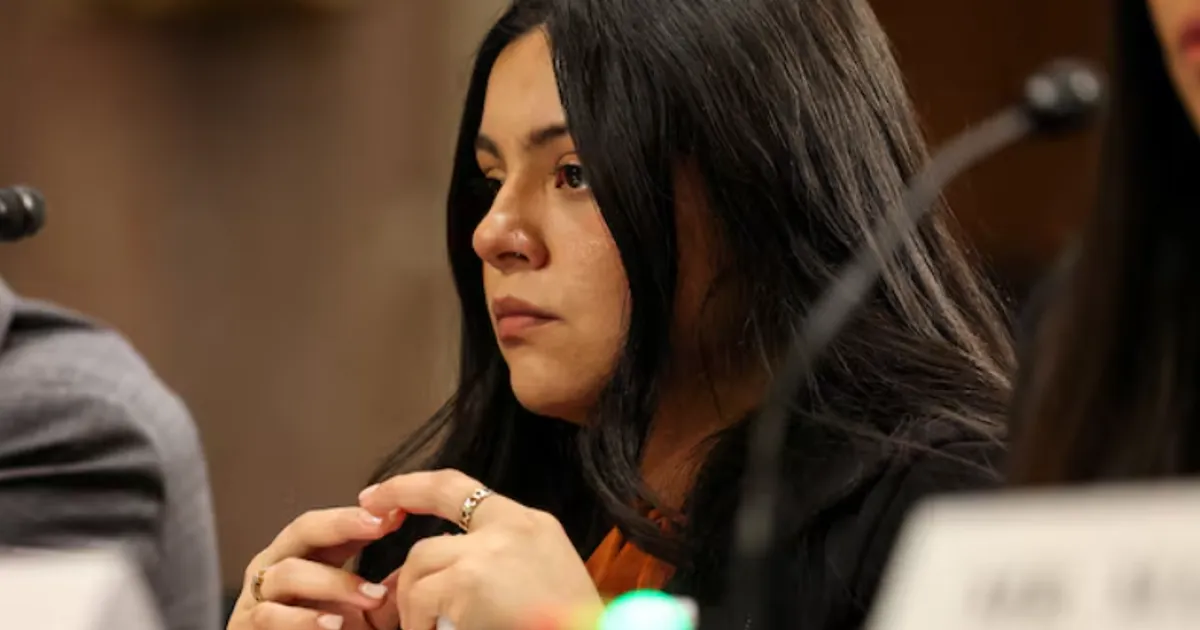
CHICAGO, Feb 6 (GeokHub) A federal judge has ordered the public release of body camera footage, text messages, and other evidence in the case of a Chicago woman who was shot multiple times by a U.S. Border Patrol agent during an immigration enforcement operation last year.
U.S. District Judge Georgia N. Alexakis lifted a protective order on Friday, clearing the way for the materials to be made public. The request was filed by Marimar Martinez, a U.S. citizen and Montessori school teacher who was injured during protests against the federal government’s increased immigration enforcement presence in Chicago in October.
Martinez had previously been accused by the Department of Homeland Security of attempting to ram a Border Patrol vehicle and block agents during the operation. She was charged with impeding a federal officer, but prosecutors later dropped the case after evidence surfaced showing the agent involved had returned his vehicle to another state before the defense could inspect it. Additional court filings revealed text messages in which the agent appeared to boast about the shooting.
For months, Martinez has maintained that body camera footage contradicts the government’s initial account of the incident. She sought public release of the evidence in part because federal authorities have not revised an early statement labeling her and another protester as “domestic terrorists.”
The judge’s decision also covers the release of vehicle-tracking camera images and internal communications, which Martinez’s legal team argues could undermine claims that she posed a serious threat. The court noted that such materials may show routine activity in the days before the shooting, potentially challenging the official narrative.
The case is one of at least 17 protest-related prosecutions in Chicago that were later dismissed, according to federal prosecutors. The ruling comes amid growing scrutiny of how federal agencies describe violent encounters involving immigration agents and how those accounts compare with video and documentary evidence.