Trump Administration Moves to End Job Protections for 50,000 Federal Workers
Daniel Okoye
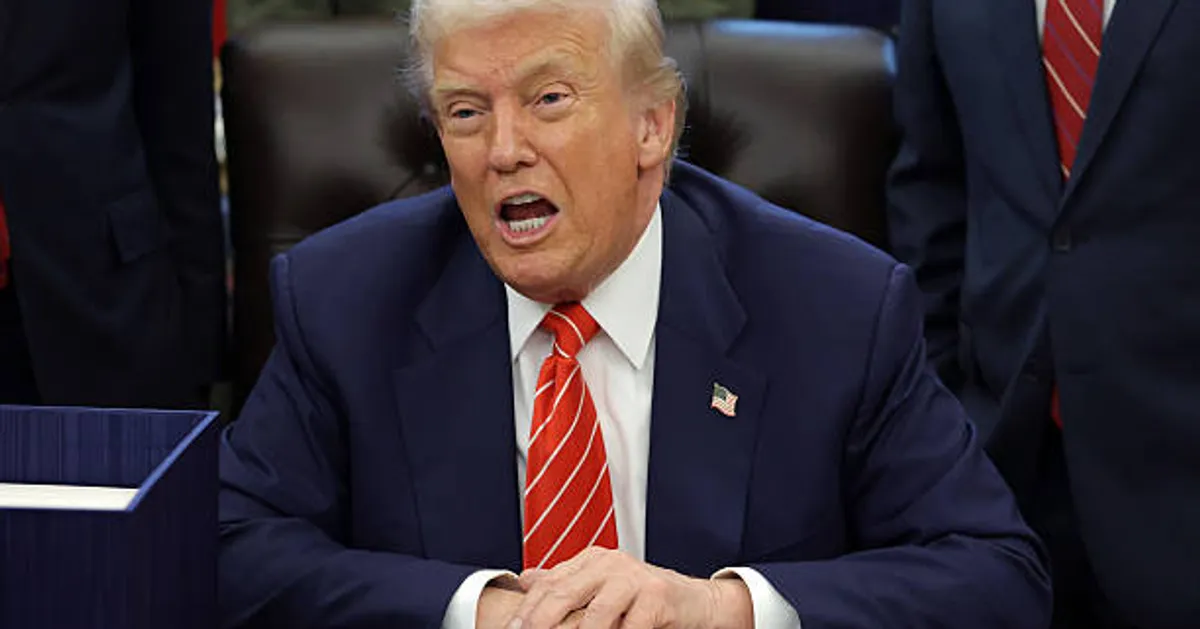
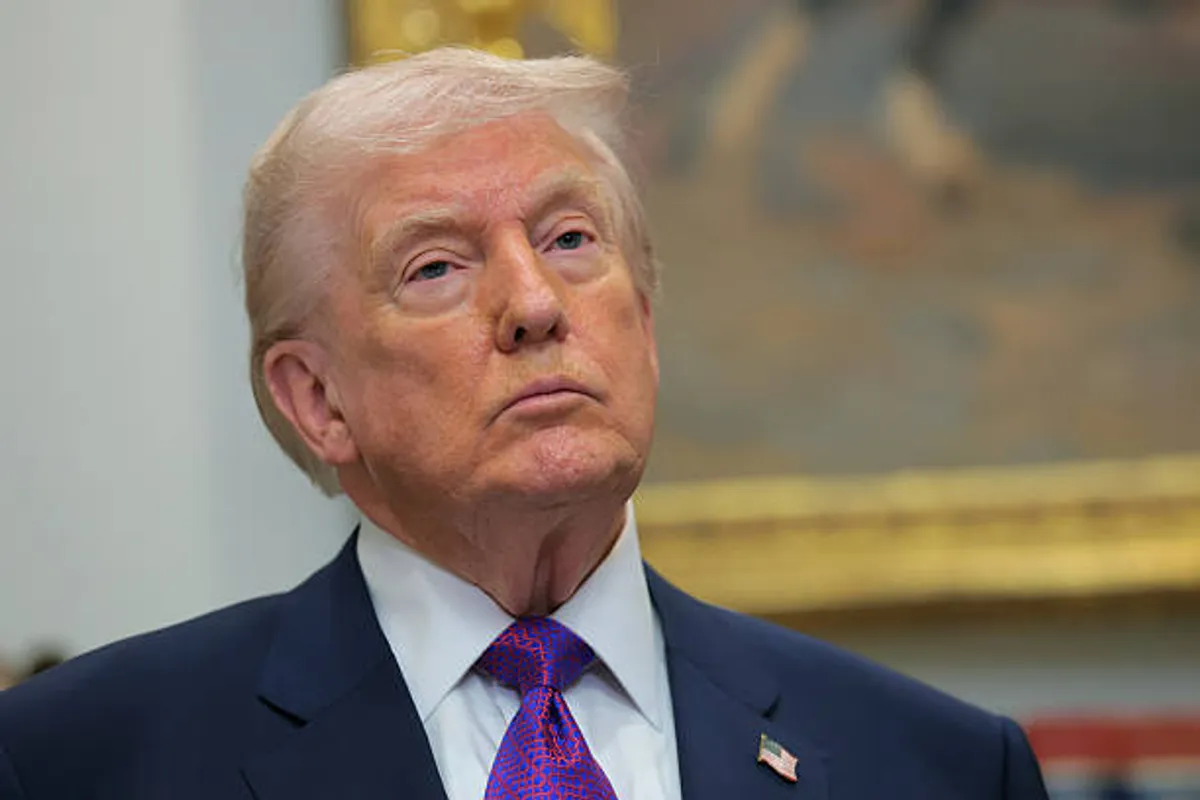
WASHINGTON, Feb. 5 (GeokHub) — The Trump administration announced on Thursday a sweeping overhaul of the U.S. civil service system that would give President Donald Trump expanded authority to hire and fire as many as 50,000 career federal employees.
The changes, released by the Office of Personnel Management (OPM), fulfill a campaign pledge by Trump to remove job protections from federal workers deemed to be “influencing” government policy rather than carrying out administration priorities.
The overhaul represents the most significant change to civil service rules in more than a century and revives a controversial framework known as “Schedule F,” which Trump first proposed during his initial term in office.
“You can’t run an organization if people are refusing to actually carry out the lawful objectives and orders of the administration,” OPM Director Scott Kupor said, defending the move.
Under the new policy, Trump will have discretion to determine which federal positions lose traditional civil service protections, effectively allowing political appointees to dismiss long-serving career staff more easily.
Legal Challenge and Union Opposition
The rule is expected to face immediate legal scrutiny. Federal worker unions and allied advocacy groups filed lawsuits in January seeking to block the policy before it was finalized. Those cases were temporarily paused while the administration completed the rulemaking process.
“We will return to court to stop this unlawful rule and will use every legal tool available to hold this administration accountable,” said Skye Perryman, president of Democracy Forward, one of the groups leading the legal challenge.
A federal judge is expected to review the policy in the coming days.
Changes to Whistleblower Protections
In addition to weakening job security, the overhaul alters how whistleblower protections are enforced across federal agencies.
Previously, retaliation claims were overseen by the independent Office of the Special Counsel. Under the new system, individual federal agencies will be responsible for establishing and enforcing protections for employees who report wrongdoing, such as legal violations or misuse of public funds.
An OPM official said agencies will be required to ensure that investigations into retaliation claims are conducted in an “unbiased” manner, though critics argue the change undermines independent oversight.