Trump funding cuts push U.S. consumer watchdog toward collapse

GeokHub
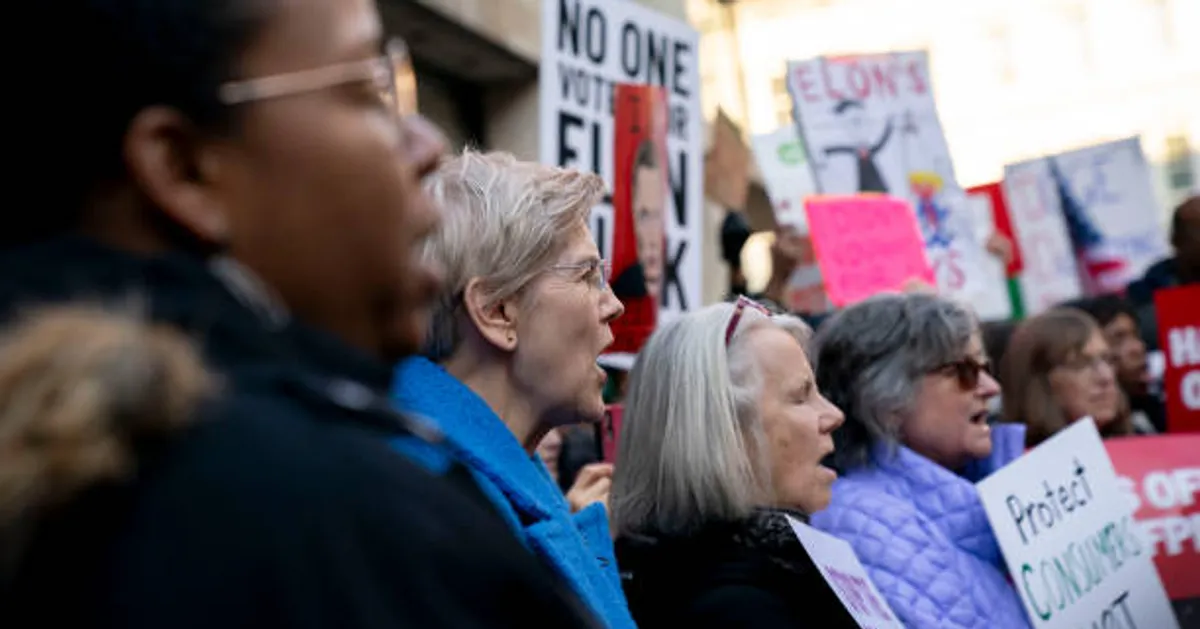
WASHINGTON, Dec 30 (GeokHub) — Proposed funding cuts under President Donald Trump’s second administration are pushing the U.S. Consumer Financial Protection Bureau (CFPB) toward the brink of collapse, alarming consumers, lawyers and financial counselors who say millions of Americans could lose a critical safeguard against financial abuse.
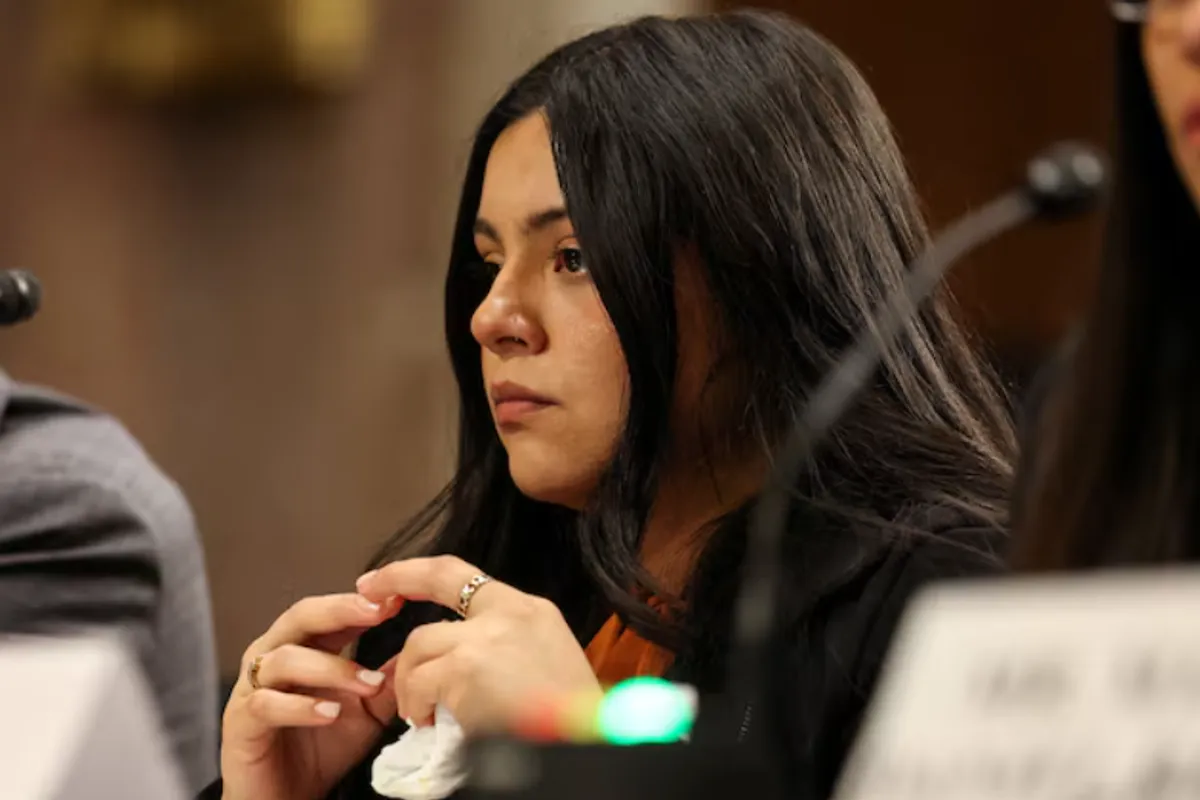
When Bianca Jones, a 33-year-old special education teacher in Memphis, Tennessee, decided to buy a home, she discovered a serious error on her Experian credit report. Her student loan debt had been double-counted, making it appear she owed nearly $250,000 and putting homeownership out of reach.
Jones disputed the mistake multiple times with Experian, one of the three major U.S. credit reporting agencies, but said her complaints went nowhere. She eventually filed a complaint with the CFPB, a federal agency created in 2010 after the global financial crisis to protect consumers in financial disputes.
According to legal filings and her attorneys, the CFPB complaint helped establish a record of Jones’ efforts to correct the error. That documentation later supported her successful lawsuit against Experian, forcing the company to amend her credit record. Jones closed on a $300,000 home in January.
“If I didn’t have this agency to go to, I don’t think I’d be in the house right now,” Jones said. “It actually changed my life.”
Experian and the CFPB did not respond to requests for comment.
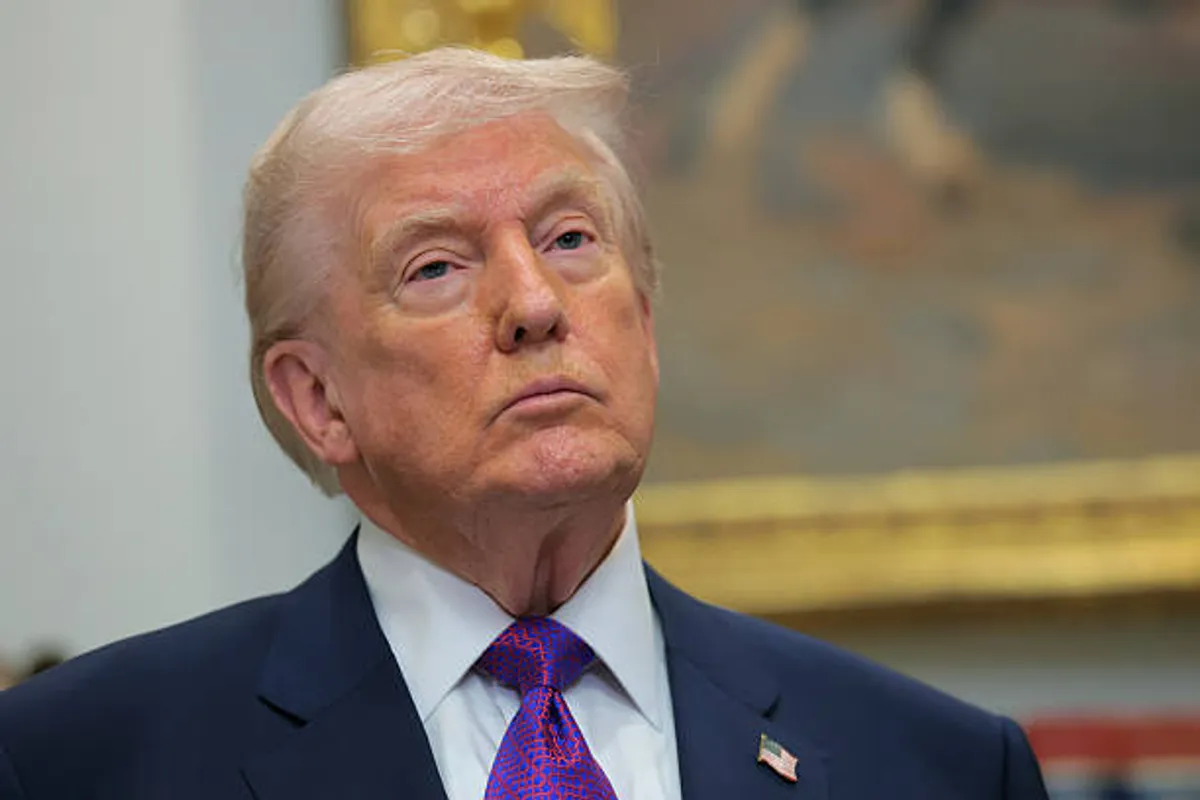
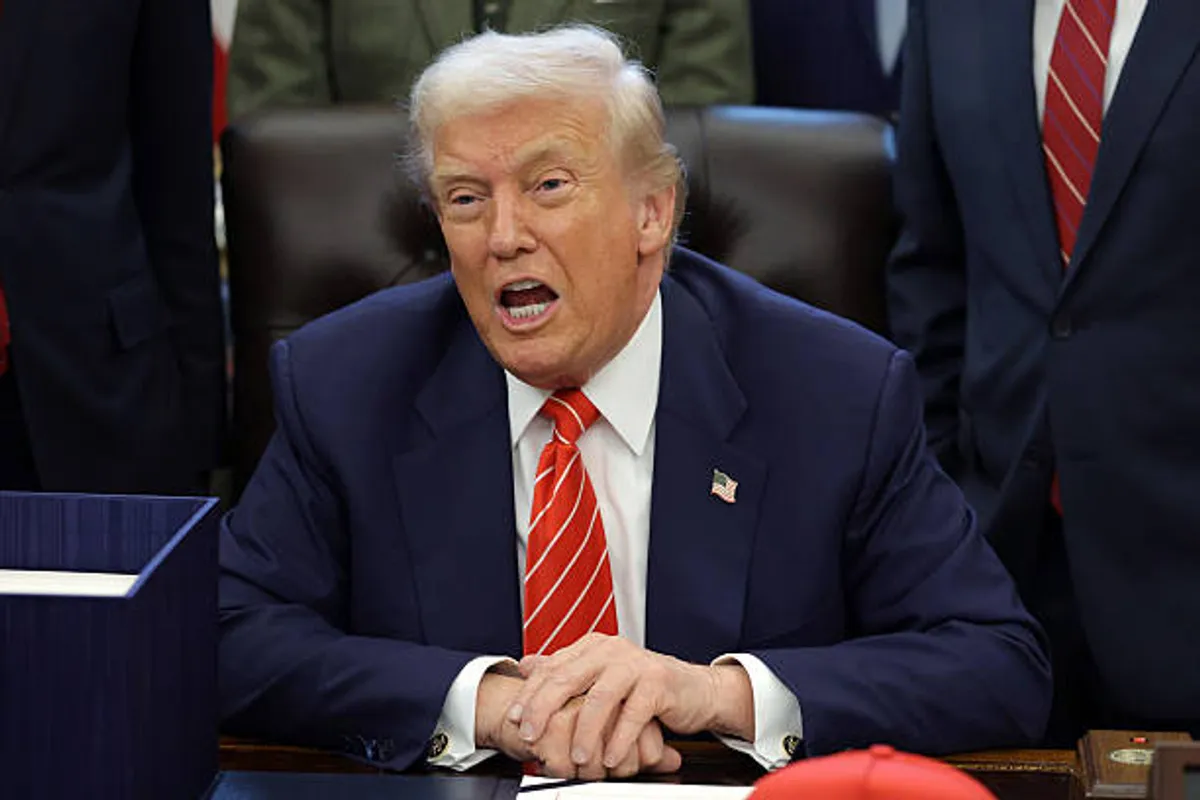
The CFPB, conceived by Democratic Senator Elizabeth Warren, has long faced opposition from Republicans and financial industry groups, which argue it overreaches and duplicates the work of other regulators. Trump has described the agency as a political tool and has called for its elimination.
Speaking earlier this year, Trump said it was “very important to get rid of the agency,” alleging without evidence that it had been misused for political purposes. Warren rejected the criticism, saying the CFPB’s role is to enforce existing laws and protect families from unfair financial practices.
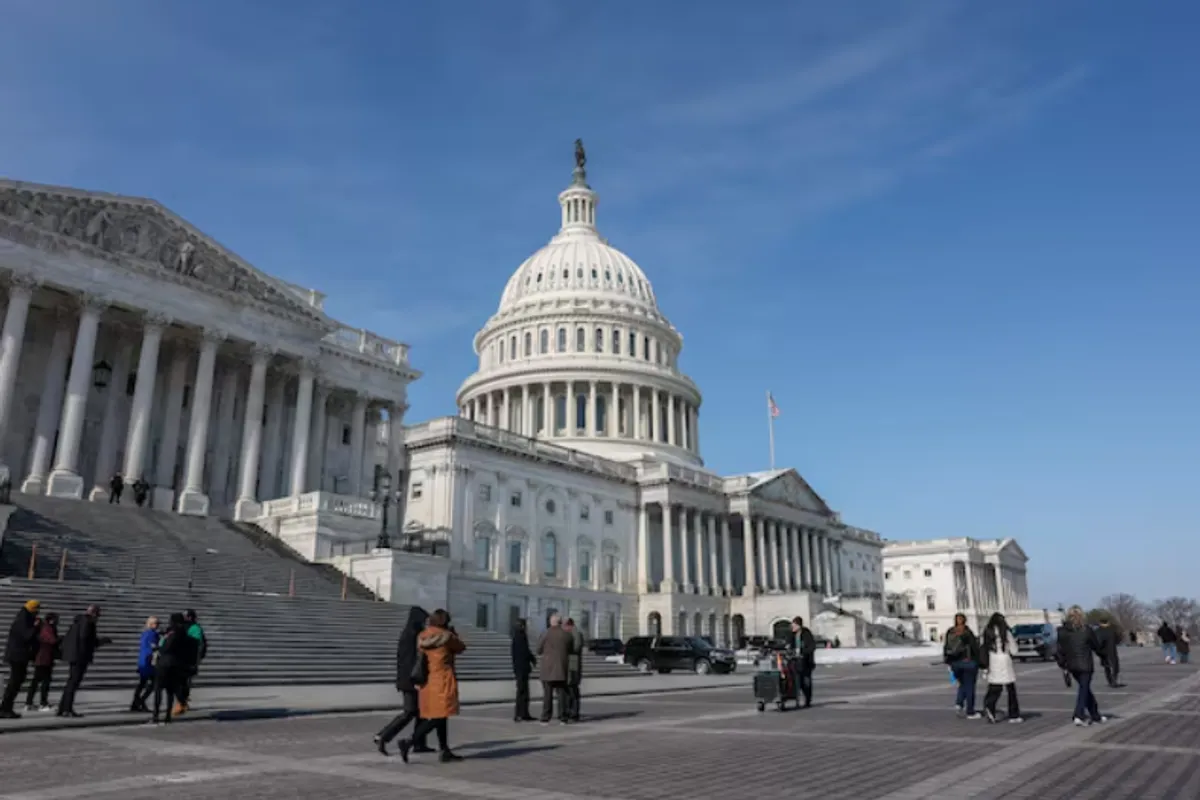
The administration is now seeking to cut up to 90% of the CFPB’s workforce and shift remaining investigations and litigation to the Justice Department. Acting CFPB Director Russell Vought has said the agency could run out of money in early 2026, while congressional Republicans have reduced its maximum allowable funding.
A federal judge on Tuesday rejected the administration’s argument that it lacks legal authority to request additional funding, calling the position unsupported by law.
The funding squeeze has already led the agency to drop or pause investigations, halt supervision of parts of the consumer finance industry and roll back rules covering areas such as medical debt, student loans, overdraft fees and credit card charges. The changes have triggered a wave of resignations.
Since its creation, the CFPB says it has returned more than $21 billion to consumers through enforcement actions and settlements.
For Morgan Smith, a 31-year-old social services worker in Washington state, the agency provided guidance after she became a victim of identity theft. She said CFPB educational resources helped her understand her rights and respond to fraudulent accounts opened in her name.
“That was very important for me to have this resource,” Smith said.
Critics of the agency say other federal and state regulators can fill the gap if the CFPB is dismantled. Consumer advocates dispute that claim, warning that protections would become fragmented and less effective.
Thomas Hoenig, a former vice chair of the Federal Deposit Insurance Corporation, said that while he had concerns about some of the CFPB’s past actions, eliminating it entirely could increase consumer harm.
“If you take them out of the picture altogether, you’re going to get more abuse, not less,” Hoenig said.