WASHINGTON, Feb 11 (GeokHub) — The U.S. Department of Defense is intensifying efforts to make advanced artificial intelligence tools available across classified military networks, urging leading AI developers to ease certain user restrictions that typically govern their commercial products.
According to officials familiar with ongoing discussions, senior defense technology leaders have told executives from top AI companies that the military intends to deploy cutting-edge AI models across both unclassified and classified systems. The move reflects Washington’s broader strategy to integrate frontier AI capabilities into defense operations at every level of information security.
A defense official said the Pentagon is working toward making advanced AI tools accessible “across all classification tiers,” signaling a potential expansion beyond current limited deployments.
AI and the Future Battlefield
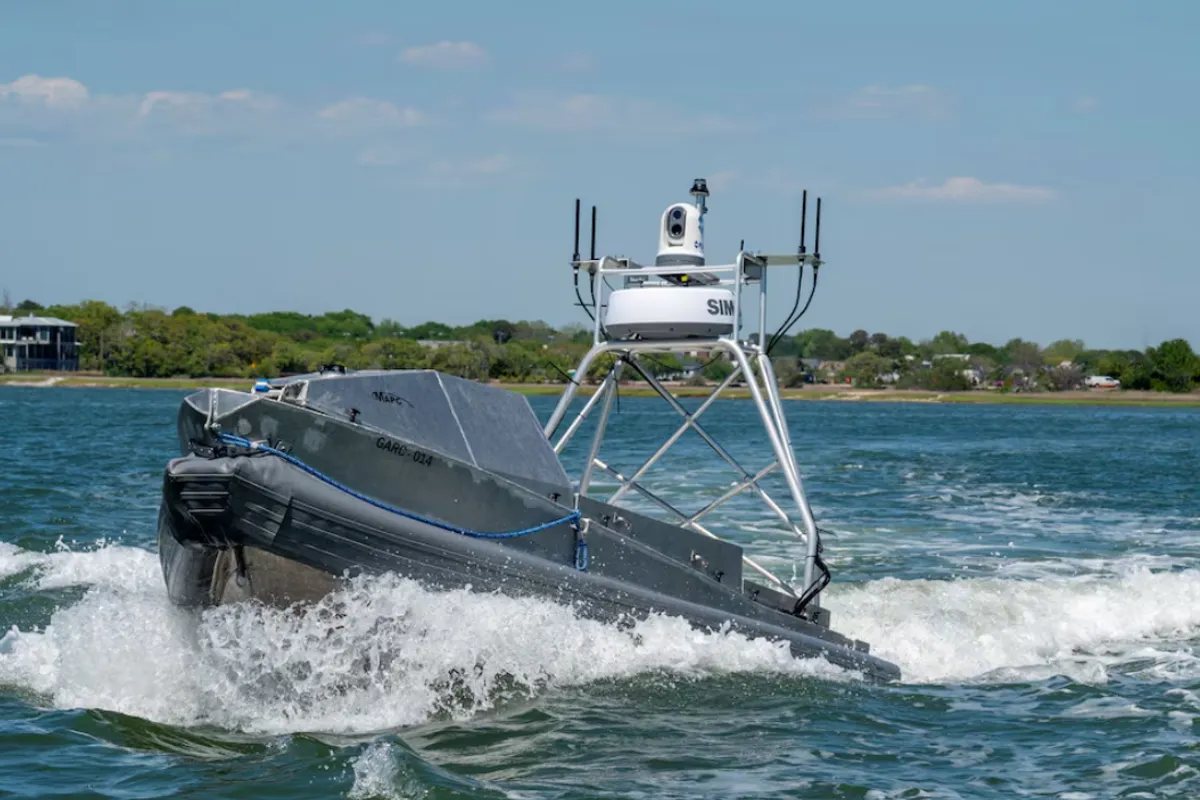
The discussions come amid accelerating efforts by the U.S. military to incorporate generative AI into modern warfare planning. Future battlefields are increasingly shaped by autonomous drone systems, robotic platforms and cyber operations — areas where AI-driven data synthesis and rapid decision support could offer strategic advantages.
Currently, most AI tools used by the Pentagon operate on unclassified networks primarily dedicated to administrative and logistical functions. Only limited AI services are accessible in classified environments, and those deployments typically remain subject to strict company-imposed usage policies.
Classified networks handle highly sensitive operations, including mission planning and weapons coordination. Expanding AI access to these systems raises complex operational and ethical questions, particularly given concerns about model reliability and safeguards.
Debate Over Guardrails
AI developers generally build internal protections into their systems to reduce risks such as misinformation, misuse or unintended outcomes. Many companies also require customers — including government agencies — to follow detailed usage guidelines.
Defense officials, however, have reportedly expressed frustration with certain restrictions, arguing that military deployments should be governed by U.S. law rather than company-specific guardrails. The evolving debate underscores the tension between national security objectives and corporate responsibility frameworks.
Earlier this week, one leading AI firm finalized an agreement allowing its tools to be deployed on a Defense Department unclassified network serving millions of personnel. Under that arrangement, some usage limitations were relaxed while certain protective measures remained in place.
Other major AI developers have entered similar partnerships with the U.S. government, though the scope of classified access varies by company. Negotiations between defense officials and AI firms remain ongoing, particularly regarding the extent to which AI systems could be used in operational or targeting contexts.