MONTREAL/BEIJING/WASHINGTON, Feb. 26 (GeokHub) — U.S. aerospace and semiconductor suppliers are facing worsening shortages of rare earth elements, particularly yttrium and scandium, industry insiders said, just weeks before U.S. President Donald Trump is expected to meet Chinese President Xi Jinping in Beijing.
These rare earths, critical for defense technology, aerospace, and advanced semiconductors, are almost entirely produced in China. While Beijing has resumed some exports since last April, shipments to the U.S. remain limited despite a tentative trade truce reached in October 2025, according to Chinese customs data.
Yttrium Shortages Hit Aerospace Coatings
Yttrium, used in high-temperature coatings that prevent engines and turbines from melting, has seen prices surge 60% since November and now costs nearly 69 times more than a year ago. Some coating manufacturers have begun rationing supplies, and two North American firms have temporarily paused production or turned away smaller clients to preserve materials for major engine makers.
Although the shortages have not yet disrupted jet engine or chip production, U.S. officials warn that manufacturers are experiencing localized “shortages” of certain rare earths. Chinese exports of yttrium to the U.S. dropped sharply after last April’s controls, totaling just 17 tons over eight months compared with 333 tons during the same period the previous year.
Aerospace supply chain specialist Kevin Michaels said, “This is a watch item and a tangible example of how China is flexing its rare earth muscle.” Enginemakers, already managing heightened demand for spare parts from airlines and higher production by Boeing and Airbus, are closely monitoring the situation.
Scandium Scarcity Threatens Next-Generation Chips
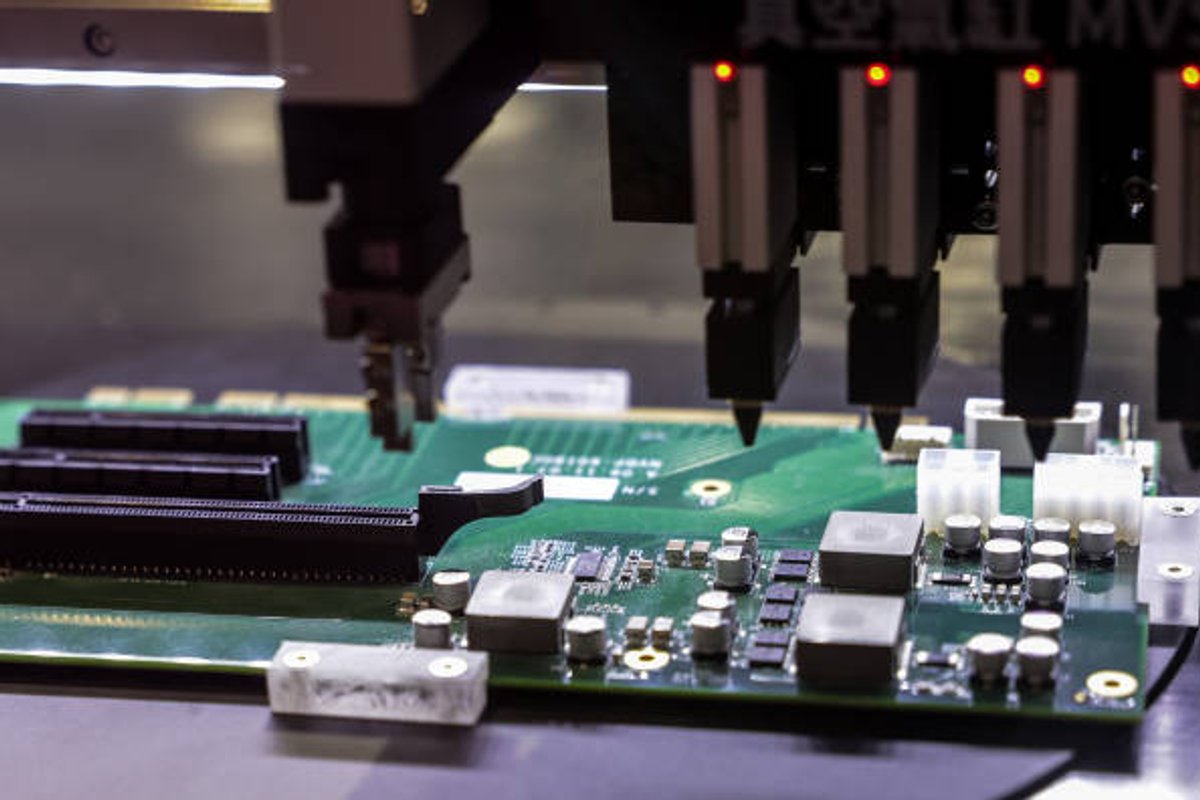
U.S. semiconductor companies are also experiencing shortages of scandium, a rare element essential for 5G chip components, specialty aluminum alloys, and fuel cells. Global production of scandium is limited to just several tens of tons annually.
Dylan Patel, CEO of research firm SemiAnalysis, said, “Scandium goes into essentially every 5G smartphone and base station. Without it, chip production faces delays.” U.S. firms have encountered slow licensing processes for Chinese exports and have requested government support. Currently, there is no domestic scandium production in the U.S., and alternative sources outside China are not operational.
A White House official emphasized that the administration is committed to ensuring access to critical minerals through negotiations with China and development of alternative supply chains.
The upcoming Trump-Xi summit will likely address rare earth access alongside other trade and technology issues, as the U.S. seeks to secure vital inputs for aerospace, defense, and semiconductor industries.