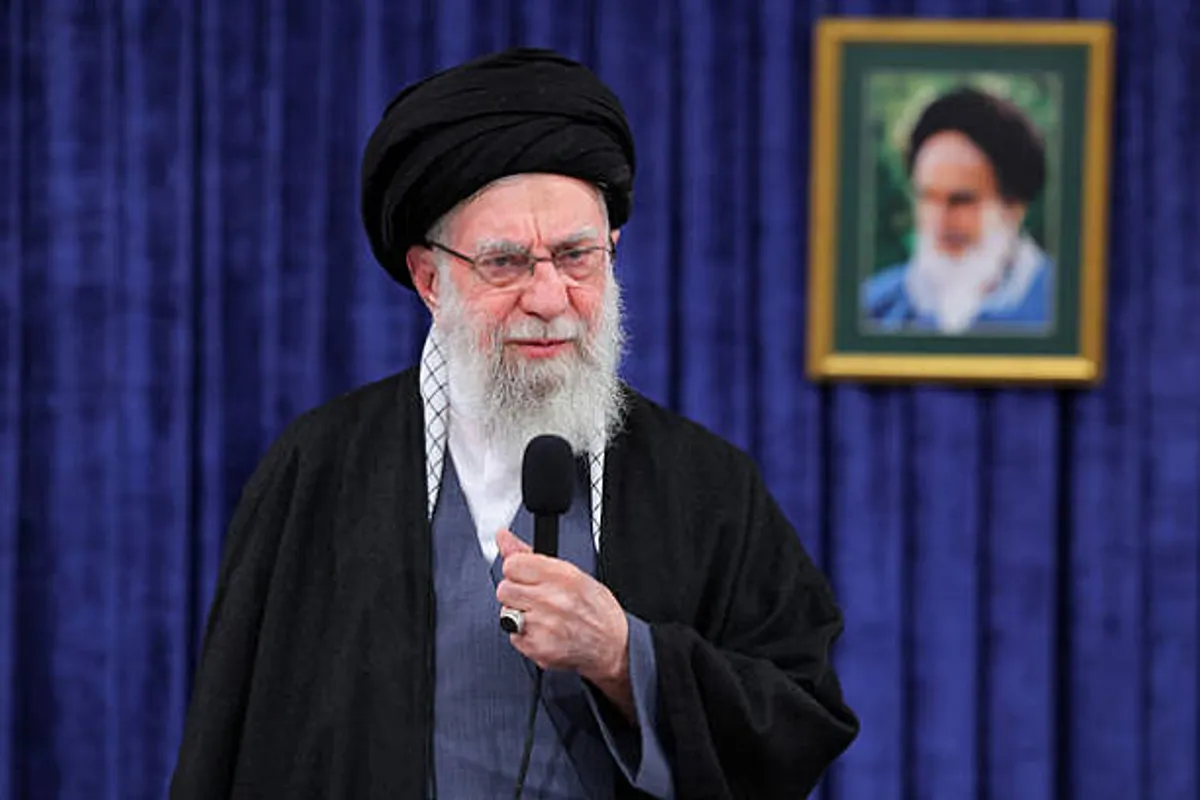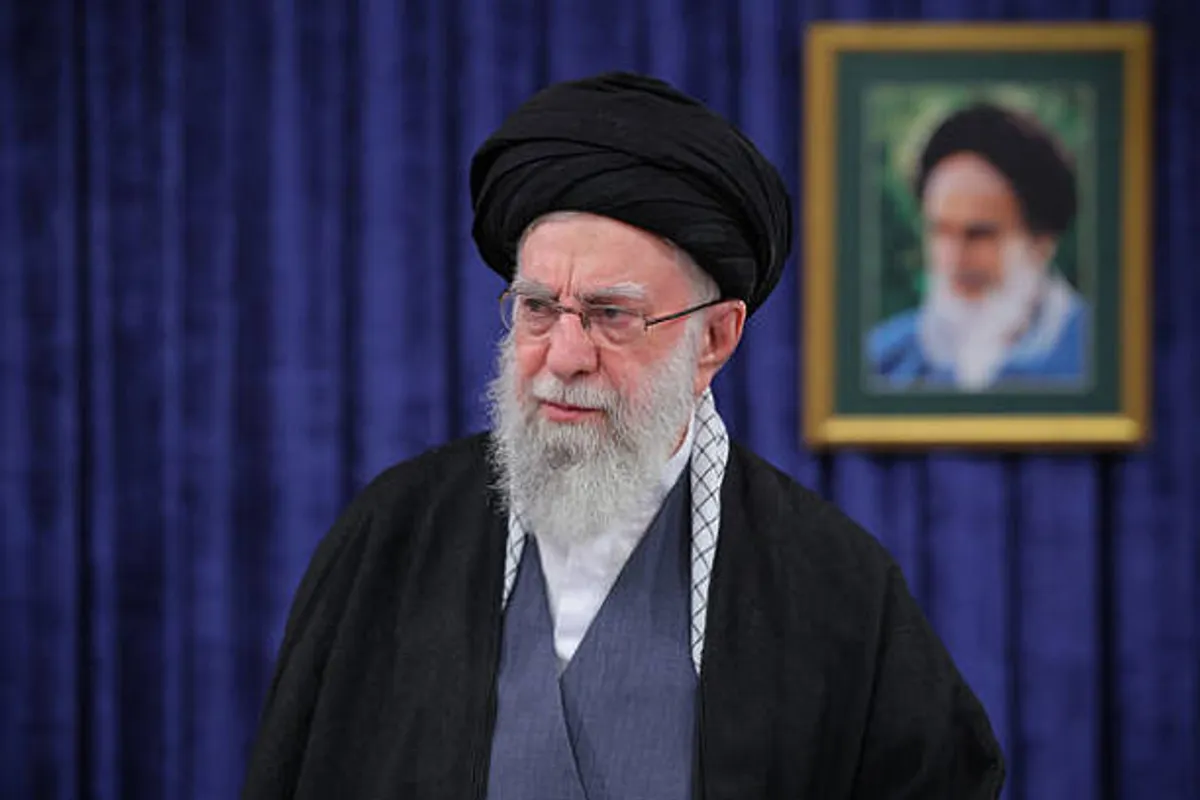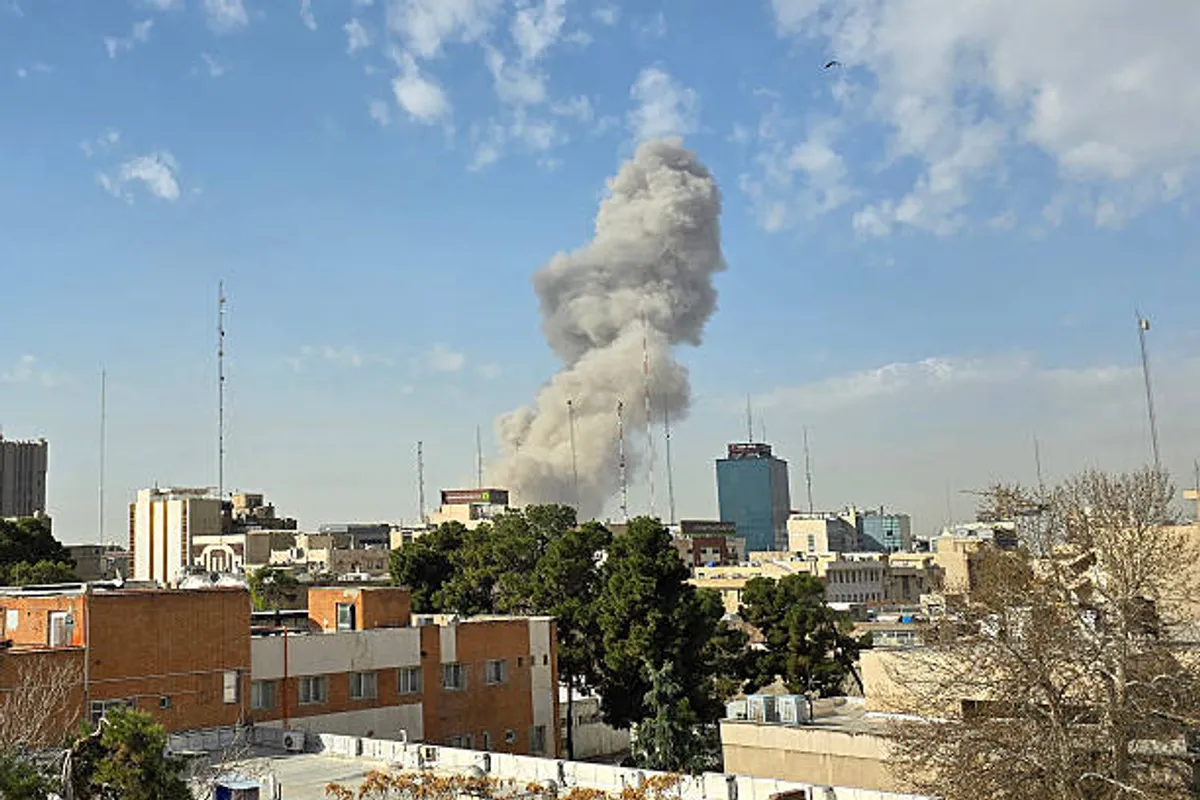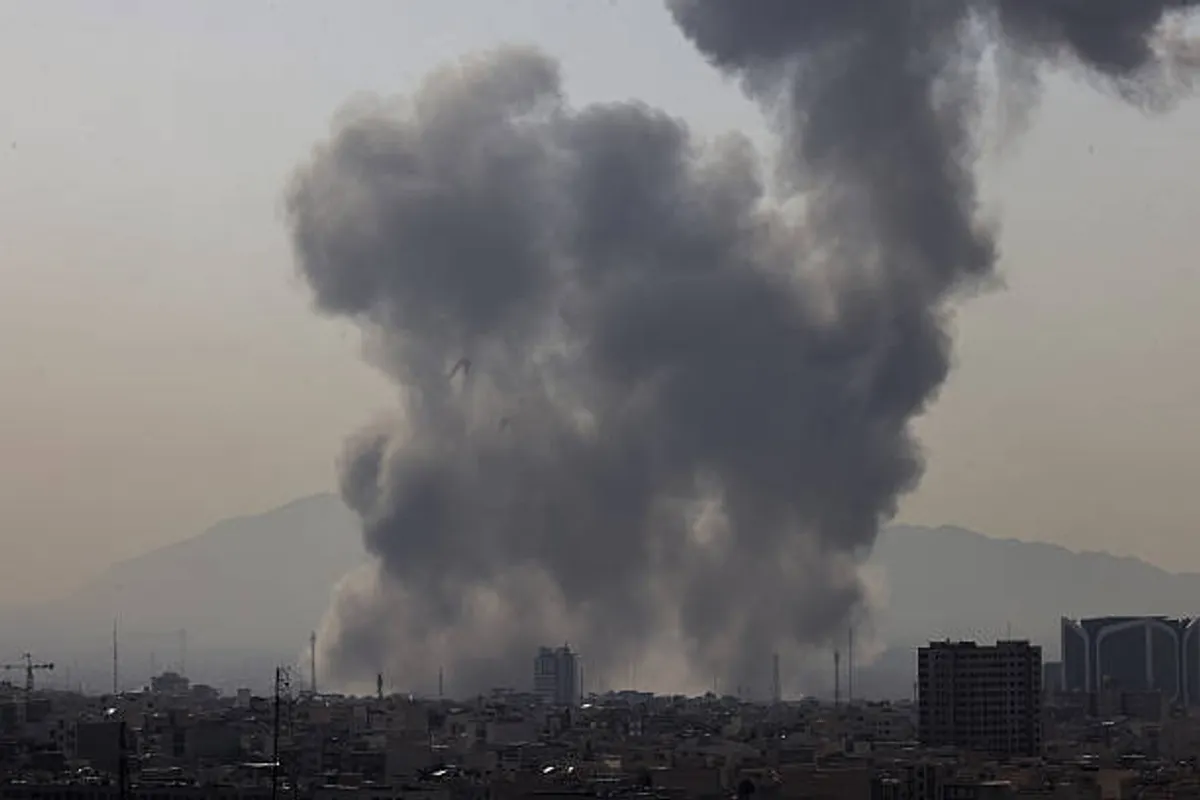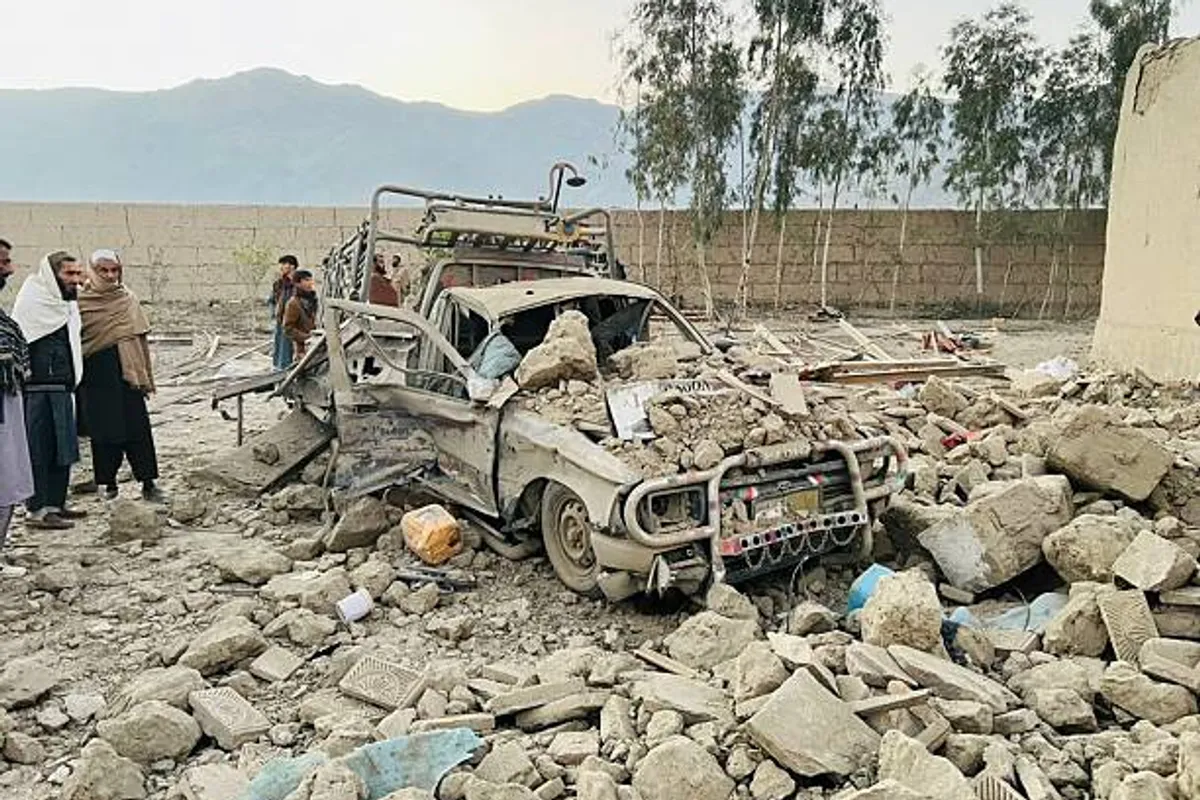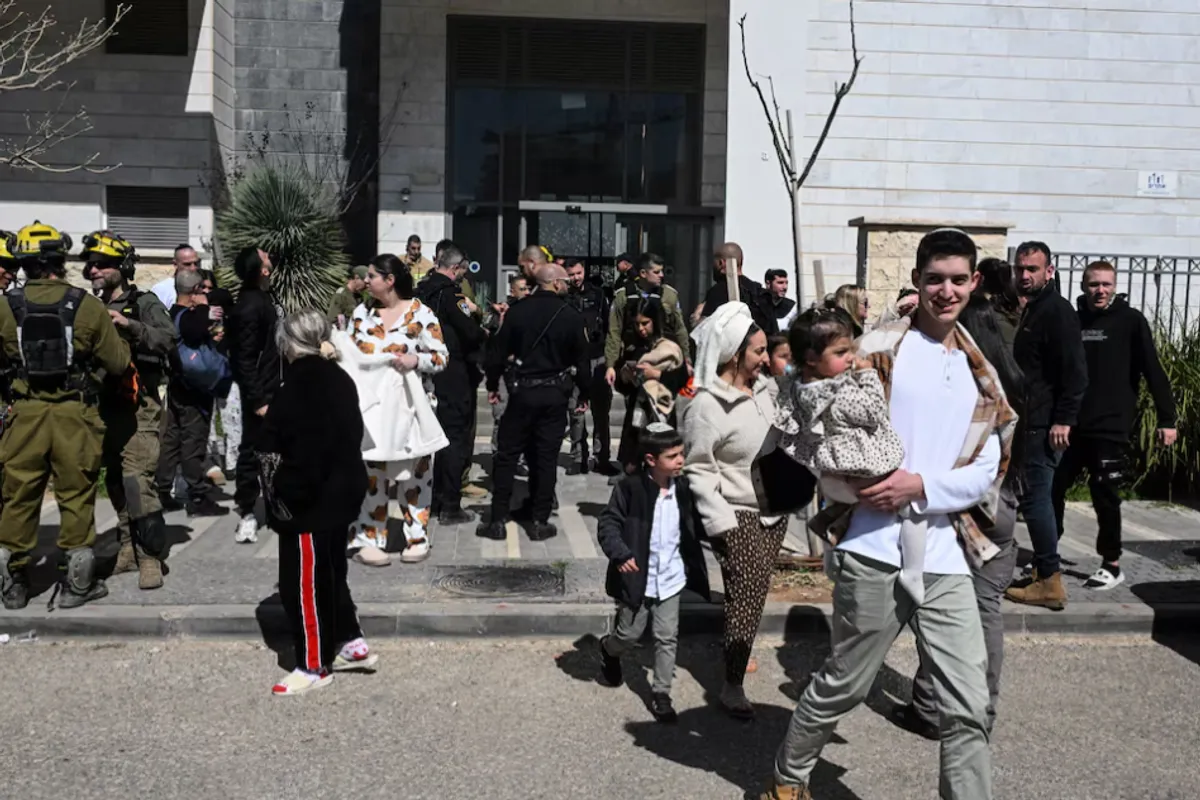
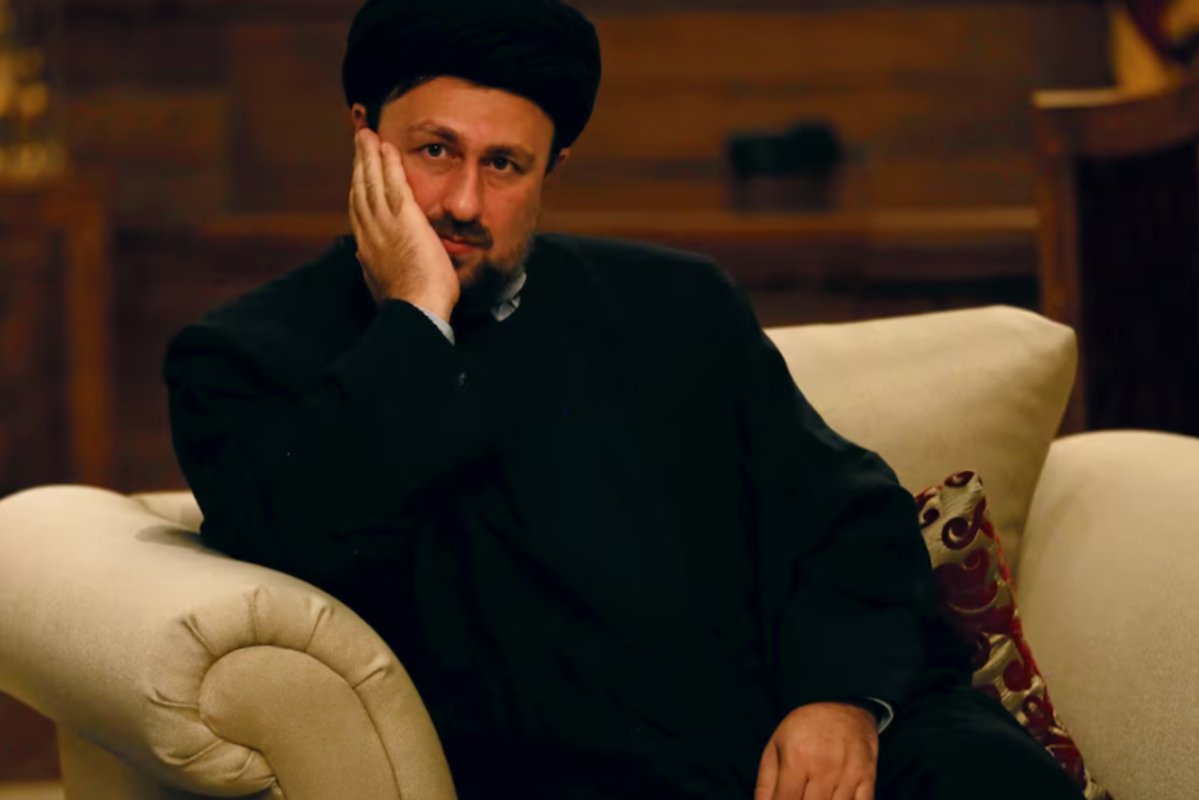
March 1 (GeokHub) – The death of Iran’s Supreme Leader Ali Khamenei in a U.S.-Israeli strike has accelerated long-simmering discussions over who will guide the Islamic Republic next. Among the names drawing renewed attention is Hassan Khomeini, grandson of the Islamic Republic’s founder Ruhollah Khomeini.
Clerics within Iran’s powerful Assembly of Experts are tasked with selecting the next Supreme Leader — a role that carries ultimate authority over the armed forces, judiciary and foreign policy. With Khamenei’s sudden death, the succession process has taken on new urgency.
A Symbolic Heir With Reformist Ties
At 53, Hassan Khomeini is the most publicly prominent of his grandfather’s 15 grandchildren. Though he has never held government office, he occupies a highly symbolic position as custodian of Ruhollah Khomeini’s mausoleum in southern Tehran.
Seen by many as a relative moderate within Iran’s clerical establishment, he maintains close relationships with reformist figures such as former presidents Mohammad Khatami and Hassan Rouhani, both of whom pursued diplomatic engagement with Western nations during their administrations.
Some Iranian political circles view him as a potential counterweight to hardline factions that consolidated power under Khamenei — including those aligned with Khamenei’s son, Mojtaba.
Calls for Reform — Within Limits
While firmly committed to the Islamic Republic’s foundational system, Khomeini has occasionally pushed for accountability and reform. He criticized the Guardian Council in 2021 after it disqualified reformist candidates from running in presidential elections, a move that paved the way for hardline leadership.
He also publicly called for transparent answers following the 2022 death of Mahsa Amini, whose case ignited nationwide unrest. At the same time, he has condemned violent protests and reaffirmed loyalty to the clerical system during periods of instability.
Political analysts say this dual posture — advocating measured reform while defending the system’s core — may position him as a compromise figure amid growing internal dissent and external pressure.
Progressive Image, Traditional Roots
A longtime associate once described Khomeini as a progressive theologian, particularly on issues related to culture and social freedoms. He is said to take interest in Western philosophy alongside Islamic scholarship and is fluent in Arabic and English.
His past political ambitions have faced obstacles. A decade ago, he sought election to the Assembly of Experts but was disqualified, officially due to clerical rank requirements. The decision was widely interpreted as a setback for reformist-aligned clerics.
Despite occasionally voicing concerns about the political role of the Islamic Revolutionary Guard Corps, he maintains connections within Iran’s security establishment and has strongly criticized Israel in past public statements.
A Pivotal Moment for Iran
The succession decision comes at a moment of profound national strain. Years of sanctions, internal unrest and now military confrontation have placed intense pressure on the Islamic Republic’s leadership structure.
Some within Iran’s political class argue that elevating a figure perceived as more moderate could help stabilize the country and reduce domestic tensions. Others expect the clerical establishment to prioritize continuity and ideological firmness.
As deliberations unfold, Hassan Khomeini’s lineage, symbolic weight and political positioning ensure he will remain central to the debate over Iran’s post-Khamenei future.