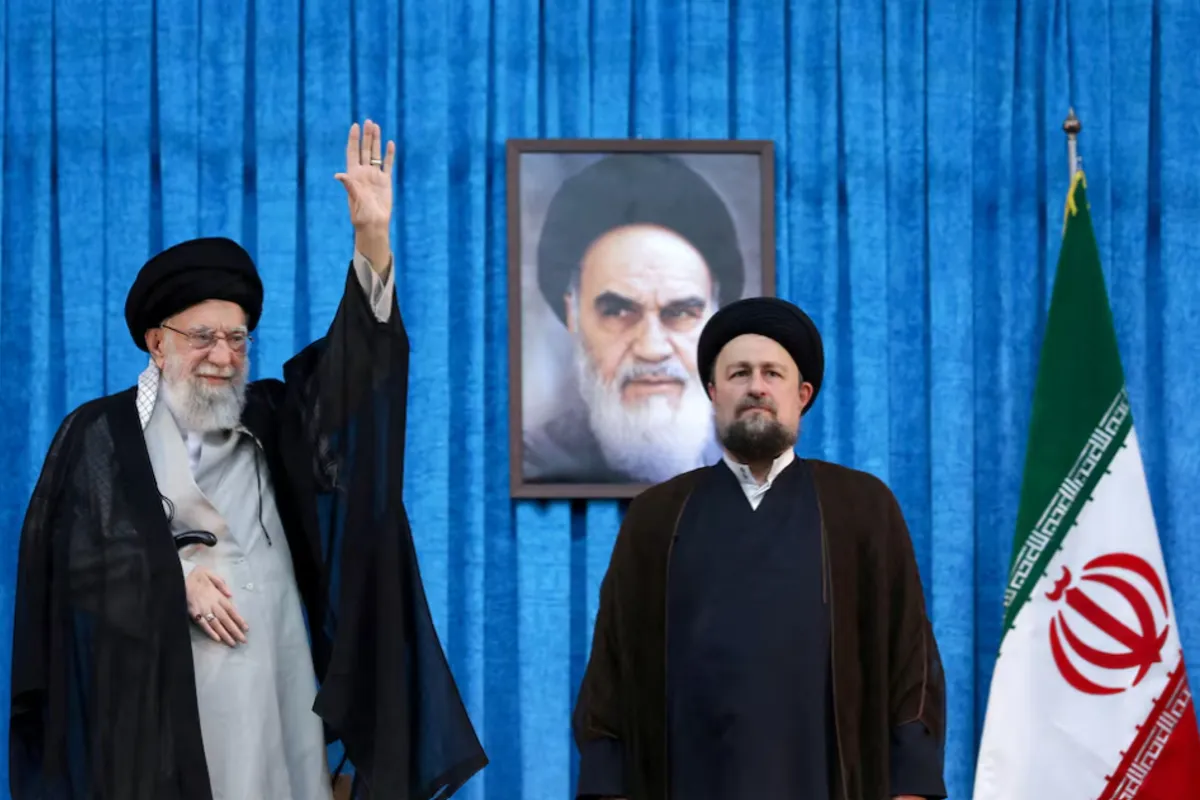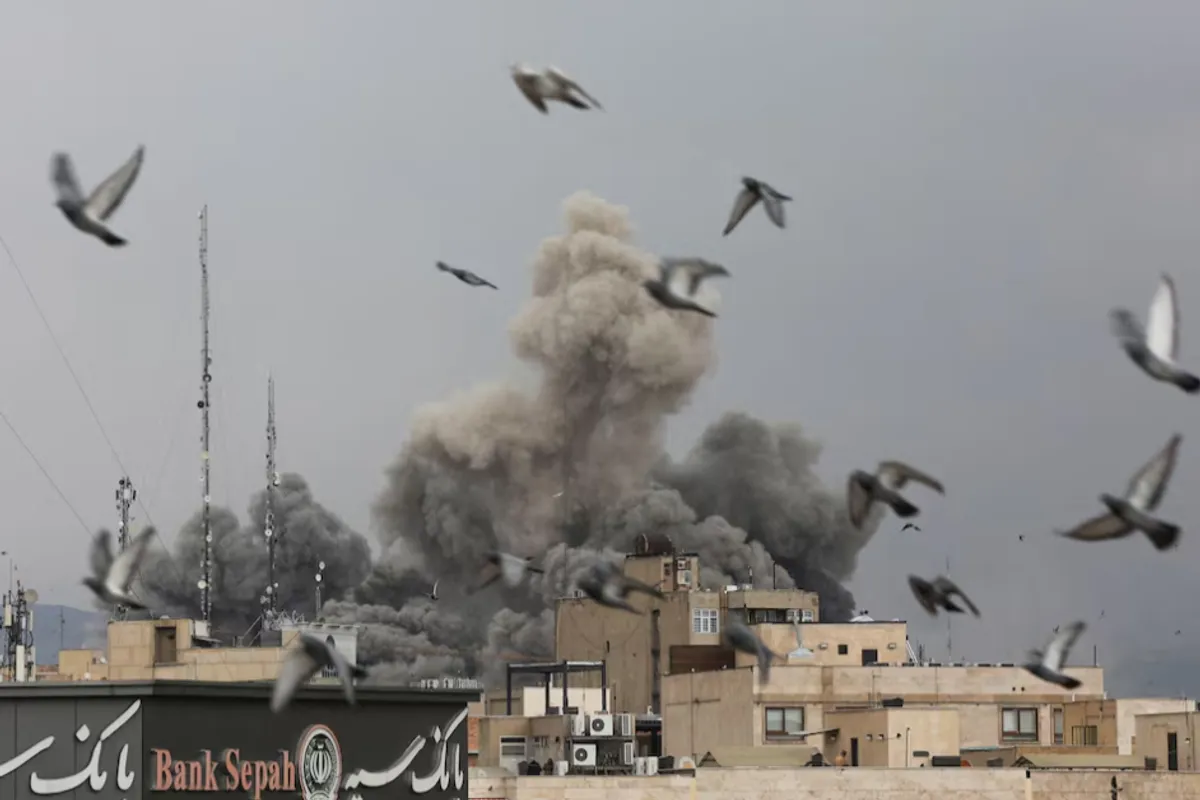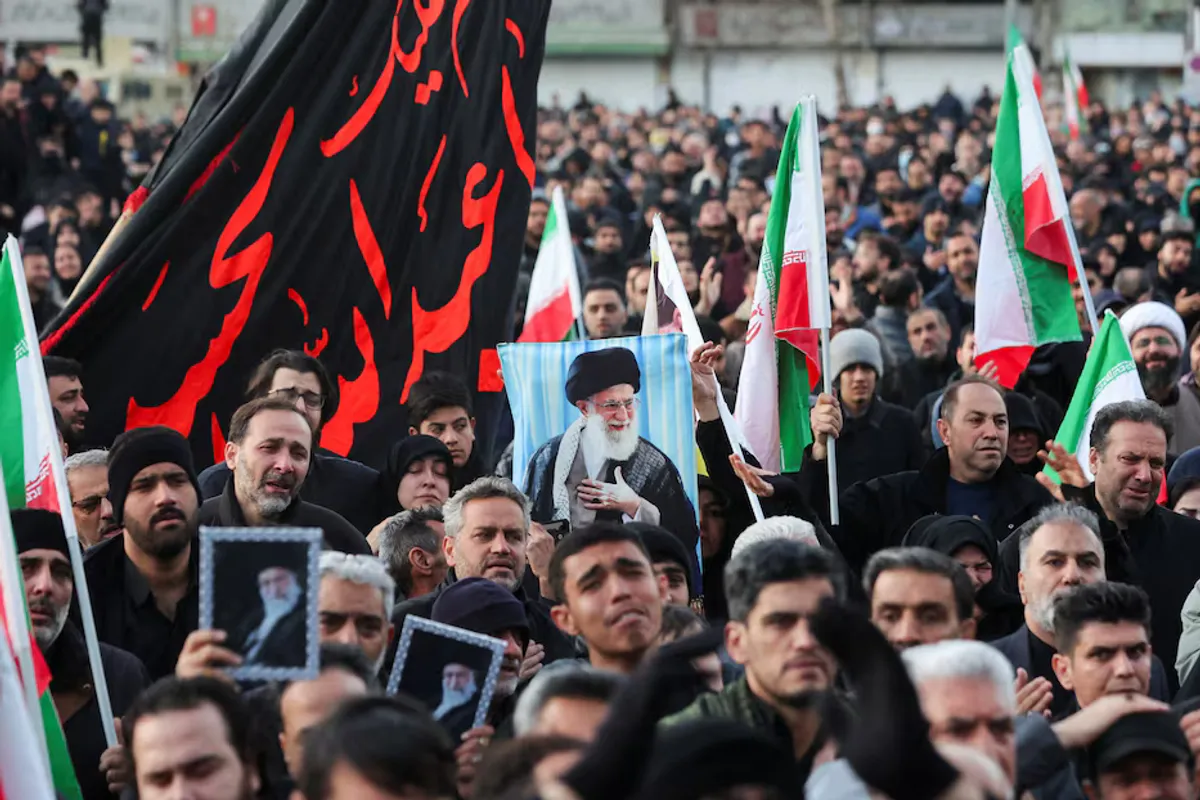
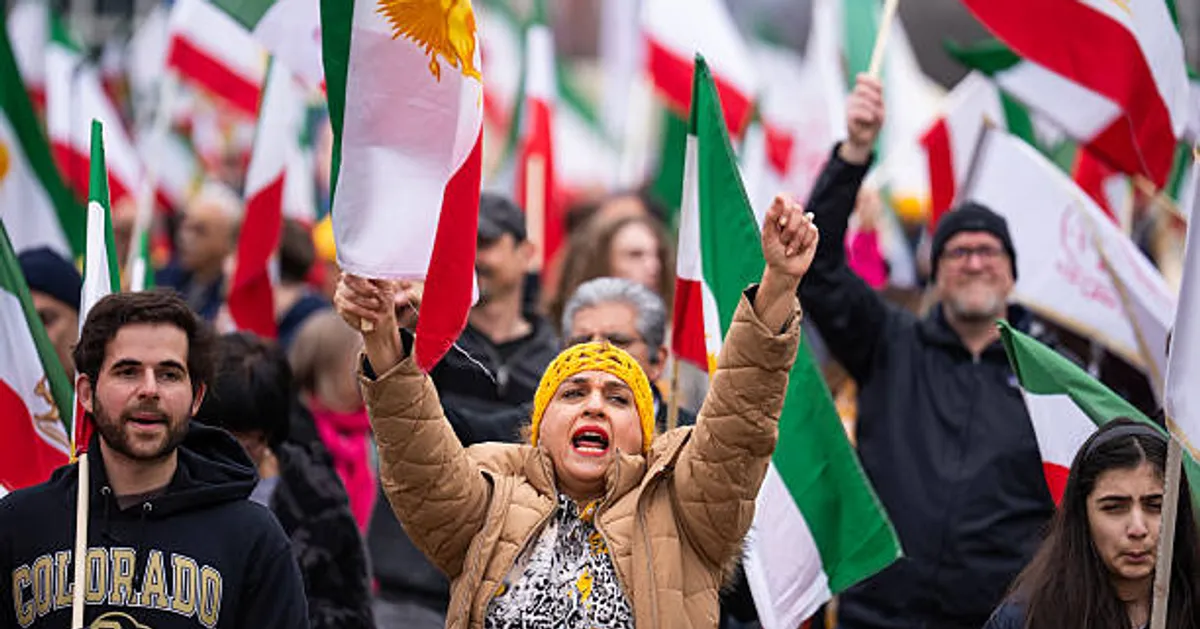
DUBAI, March 7 (GeokHub) — Influential hardline clerics in Iran have called for the rapid appointment of a new supreme leader as the country faces continued military pressure from the United States and Israel following the death of Ali Khamenei.
Iranian media reported on Saturday that senior religious figures want the leadership transition resolved quickly to stabilize governance while the country confronts ongoing attacks and internal uncertainty.
The push reflects concern among parts of the clerical establishment about leaving authority in the hands of the temporary three-member council that assumed leadership after Khamenei’s death. The council currently holds the responsibilities of the supreme leader until a permanent successor is chosen.
Under Iran’s constitution, the selection of a new leader falls to the powerful Assembly of Experts, an 88-member body of clerics responsible for appointing and supervising the supreme leader.
Possible Meeting Within 24 Hours
Iranian media cited Assembly member Hossein Mozafari as saying the body could meet within the next 24 hours to decide on the next leader.
It remains unclear whether the meeting would take place in person. Sources familiar with the process say clerics have previously held consultations remotely.
Mozafari’s remarks came after several influential religious figures publicly called for a faster decision.
Grand Ayatollah Naser Makarem Shirazi said a swift appointment was needed to “help better organise the country’s affairs,” according to state media reports.
Another senior cleric, Grand Ayatollah Hossein Nouri Hamedani, also urged the Assembly of Experts to accelerate the process of selecting Khamenei’s successor.
Religious Calls for Retaliation
The leadership debate comes amid growing anger within Iran’s clerical circles following the killing of Khamenei in the opening phase of the war.
Two senior Shi’ite religious authorities issued fatwas — religious rulings — calling on Muslims worldwide to avenge the supreme leader’s death.
Makarem Shirazi said retaliation was a religious duty “until the evil of these criminals is eradicated from the world,” according to state media.
Temporary Leadership in Place
Following constitutional procedures, a three-person leadership council has assumed the responsibilities of the supreme leader until a permanent successor is chosen.
The council includes the country’s president, a senior cleric and the head of the judiciary.
Iran’s constitution stipulates that the Assembly of Experts should select a new supreme leader within three months.